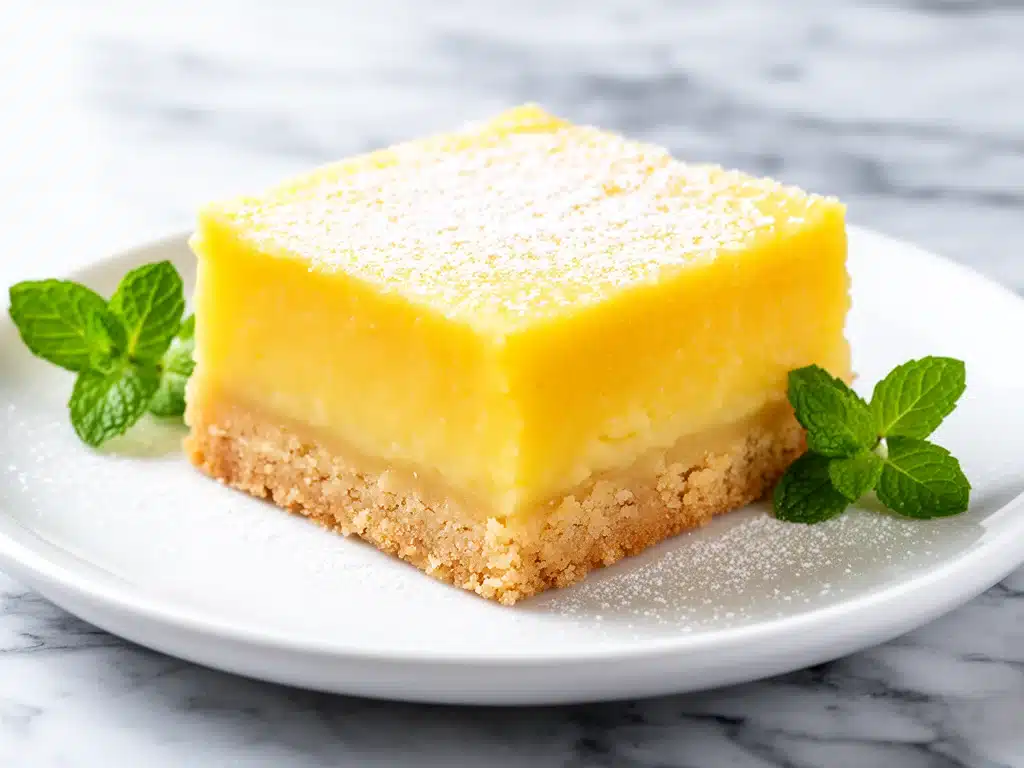
Last Tuesday, I was staring into my refrigerator at 6:30 PM, feeling that familiar, low-level panic that only a hungry parent can truly understand. The dishwasher was humming, the kids were arguing over a video game, and I knew I needed dessert to smooth over the chaos. But I didn’t have time to bake a cake from scratch, and I definitely didn’t want to run to the store for fancy ingredients I’d use once and then forget about. I needed something sweet, something tart, and something I could throw together with things I already had in the pantry.
That’s when I stumbled back into my favorite recipe: buttery shortbread lemon bars. I’ve made these dozens of times, but this particular batch was special because I didn’t use a fancy springform pan or worry about a water bath. I just pressed the dough into a regular 9×13 baking dish, poured the lemon filling over it, and baked it. Thirty-five minutes later, I had a tray of tangy, sweet, crumbly perfection that silenced the room. My daughter, who usually only likes chocolate, asked for seconds. My husband, who claims he’s “not sweet enough” for dessert, ate three.
Here’s the thing about these lemon bars: they are the ultimate comfort food for busy people. They’re not delicate. They don’t require precise tempering or hours of chilling. They’re sturdy enough to cut into squares and pack for lunch, yet fancy enough to serve at a dinner party. I’ve tested this version so many times that I can make it with my eyes closed (though I wouldn’t recommend that when working with hot ovens). It’s become my go-to when I need a win in the kitchen without the stress.
I remember the first time I made these, I was trying to impress some friends who were coming over for an impromptu wine night. I was nervous, sweating, and almost burned the butter. But once I got the ratio right—lots of butter, a touch of flour for the crust, and a filling that’s pure lemon sunshine—they became a staple. Now, I keep the ingredients stocked specifically for these. If I’m running low on lemons, I buy more. If I’m out of powdered sugar, I make a trip. They are worth it.
What makes these buttery shortbread lemon bars different from the typical gelatinous, overly sweet versions you get at bakeries? It’s the crust. Instead of a graham cracker base that turns soggy, we’re using a shortbread-style dough. It’s rich, buttery, and holds its structure. The filling is thick and custard-like, not runny. And the best part? You can make them ahead of time. I often bake them on Sunday, let them cool, and keep them in the fridge. When Wednesday night hits and I need a quick treat, I just grab a square. They taste even better after a day or two in the fridge, as the flavors meld and intensify.
So, if you’re looking for a dessert that’s easy, impressive, and actually enjoyable to eat on a random Tuesday, this is it. Let’s get into why you’re going to love these, what you need, and how to make them without losing your mind.
Why You’ll Love This Recipe
I’m not exaggerating when I say these buttery shortbread lemon bars have completely changed my dessert game. Before this recipe, I either avoided baking on weeknights or settled for store-bought cookies that tasted like cardboard. Now? I look forward to dessert time. Here’s why these bars have earned a permanent spot in my rotation:
- Stupid Simple Crust — Seriously, if you can mix flour, butter, and sugar, you can make this crust. I’ve walked my teenage son through it over FaceTime while he was at college. No rolling pins, no chilling time for the dough (though chilling helps, it’s not mandatory). Just press it in and bake.
- Lightning Fast Prep — You’re looking at about 15 minutes of active time. That’s it. The rest is hands-off baking. I make these on weeknights when I get home at 7 PM, and they’re ready for the fridge by 8:30 PM. It’s the kind of efficiency that makes you feel like a kitchen wizard.
- Pantry-Friendly Ingredients — You probably have 90% of these ingredients already. Flour, sugar, butter, eggs, lemons. If you don’t have fresh lemons, you can use lemon juice concentrate in a pinch (though fresh is always better). I keep the key items stocked just so I can make these on a whim when I need a mood boost.
- Crowd-Pleaser Factor — I’ve served these to my vegetarian sister, my gluten-free neighbor (with a swap), and my I-only-eat-chocolate dad (who surprisingly loved the tartness). Everyone asks for the recipe. The balance of sweet and tart is universally loved.
- Makes Amazing Leftovers — Actually tastes better the next day. I deliberately make a double batch for lunch throughout the week. They travel well, too. I’ve packed them in my lunchbox for work, and they don’t get squished or leak.
- Budget-Smart — Feeds 12-16 people for under $10. That’s less than a dollar a bar. Compare that to the $4 a pop you pay at fancy dessert shops, and you’re saving serious money.
This is my go-to when I need dessert to just work. No complicated techniques, no weird ingredients, just reliable, delicious food that makes everyone happy. It’s comfort food in square form.
Ingredients You’ll Need
Here’s the best part: you probably have most of this already in your kitchen. I’m particular about three ingredients here—the butter, the lemons, and the powdered sugar—and I’ll tell you exactly why they matter. But don’t worry, the rest is basic baking staples.
For the Shortbread Crust
Unsalted butter (1 cup / 226g, softened) — This is non-negotiable. Use high-quality, European-style butter if you can find it. It has a higher fat content and richer flavor. I use Kerrygold or Plugra. Don’t use margarine; it will change the texture and taste entirely. Softened means it yields to gentle pressure, not melted.
Powdered sugar (½ cup / 60g) — Also known as confectioners’ sugar. Do not substitute with granulated sugar here; it won’t dissolve into the butter properly, and you’ll get gritty bars. Sift it if it’s clumpy. I keep a bag of this always because I use it for everything from frosting to dusting.
All-purpose flour (1 cup / 125g) — Standard flour works fine. I don’t bother with cake flour for this. Just spoon it into the measuring cup and level it off. Don’t scoop directly from the bag, or you’ll pack it down and use too much, leading to a dry crust.
Salt (¼ teaspoon) — Just a pinch to balance the sweetness. I use fine sea salt. Kosher salt works too, but you might need a tiny bit more because the grains are larger.
For the Lemon Filling
Granulated sugar (1 cup / 200g) — This provides the sweet counterpoint to the lemon. I use regular white sugar. Cane sugar works, but beet sugar can sometimes have a slightly different texture. Stick to standard for consistency.
Whole eggs (4 large) — Room temperature eggs are best for a smooth filling. I take them out of the fridge 20 minutes before I start. If you forget, you can warm them in a bowl of hot water for a few minutes. Cold eggs can cause the filling to curdle.
Fresh lemon juice (½ cup / 120ml) — This is the star. Squeeze four to six lemons, depending on their size. Do not use bottled lemon juice. It has preservatives and a flat taste that ruins the brightness. Fresh is mandatory. If you’re feeling lazy, buy fresh-squeezed juice from the refrigerated section of the grocery store, but fresh-squeezed is best.
Lemon zest (2 tablespoons) — Zest the lemons before you juice them. Use a microplane for the finest zest. This contains the essential oils that give lemon bars their intense aroma. Don’t get the white pith; it’s bitter. I zest right into the bowl with the sugar to release the oils.
All-purpose flour (⅓ cup / 40g) — Yes, more flour. This thickens the filling. It might seem like a lot, but it’s necessary for that custard-like texture. If you skip it, you’ll get lemon curd, not bars.
For the Topping
Powdered sugar (½ cup / 60g) — For dusting. I sift this over the cooled bars. It looks elegant and adds a final touch of sweetness. You can skip it if you’re watching sugar, but it really completes the look.
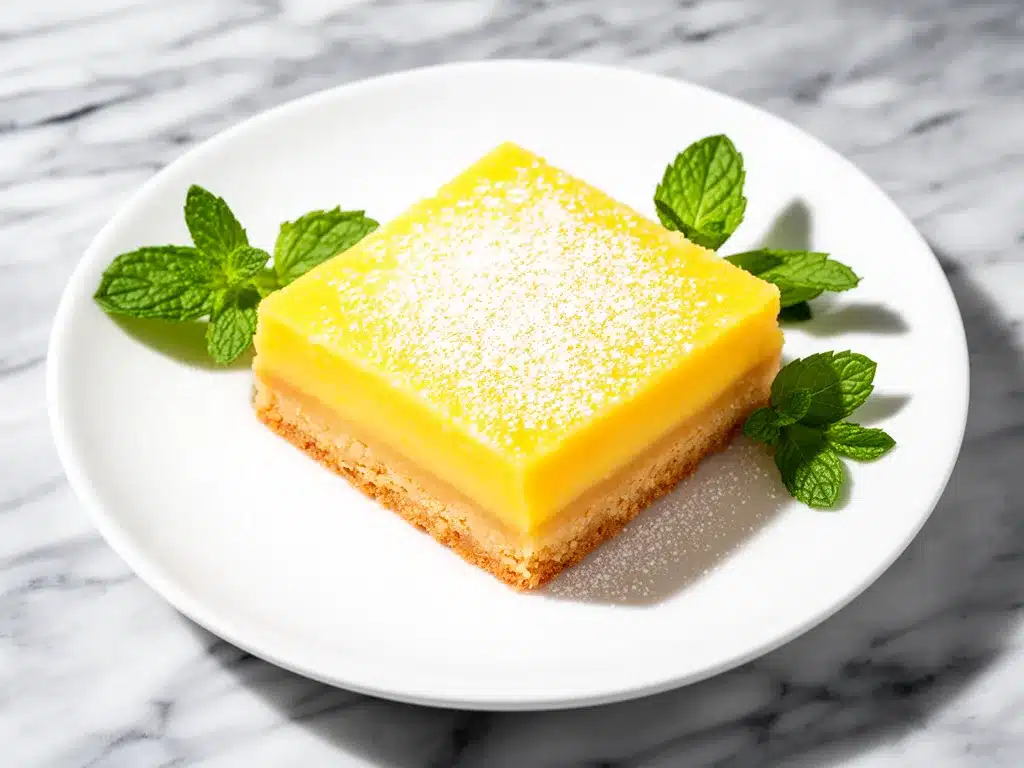
Optional Add-ins — I sometimes add a few drops of yellow food coloring if I want them to look extra bright for a party, but it’s not necessary. Fresh mint leaves for garnish are nice if you’re serving them at a gathering.
Shopping shortcuts: I buy lemons in bulk when they’re on sale. I store them in the fridge for up to two weeks. The powdered sugar lasts forever in the pantry. And I always keep butter on hand because, well, it’s butter.
Equipment Needed
You don’t need fancy equipment for this. Here’s what I actually use. Most of this you already have in your kitchen.
9×13 inch baking dish — I use a glass Pyrex dish. It heats evenly and I can see the bottom browning. Metal works too, but glass is easier for me to monitor. Make sure it’s greased. I use a little butter or non-stick spray.
Mixing bowls — One large bowl for the crust, one medium for the filling. I use stainless steel because they’re durable and easy to clean. Glass is fine too.
Fork or pastry cutter — For mixing the crust. I use a fork because it’s quick. A pastry cutter works if you want it finer, but a fork is faster and just as effective.
Whisk — Essential for the filling. You need to incorporate air and ensure the sugar dissolves. A balloon whisk is best. I use a silicone one because it doesn’t scratch my bowls.
Zester or microplane — For the lemon zest. A microplane gives the finest zest, which disperses better. A box grater works, but the zest will be chunkier. I prefer the microplane.
Citrus juicer or reamer — I use a handheld reamer for fresh lemons. It’s cheap and effective. A citrus press works too. Just avoid the electric juicers unless you’re juicing a lot; they can heat the juice and change the flavor.
Spatula — For spreading the crust. A silicone spatula works well. I also use it to scrape the filling bowl.
Cooling rack — To cool the bars. This is important. If you leave them in the hot pan, the bottom will keep cooking and get too dark. I have a wire rack that fits over my counter.
Sifter or fine-mesh strainer — For the powdered sugar topping. I use a small sieve to get a dusting that looks professional. A fork works in a pinch, but a sieve is nicer.
Optional but nice: Offset spatula — For spreading the crust evenly. I use it when I’m being precise. A regular spatula works too. Parchment paper — I line the pan with parchment for easy removal. It makes cleanup a breeze. I don’t always do it, but I’m glad I did when I forget to grease the pan.
How to Make It: Step-by-Step
Alright, let’s make these buttery shortbread lemon bars! I’m walking you through exactly how I do it, including the little tricks I’ve picked up over the years. This process is straightforward, but attention to detail makes the difference between good and great.
Step 1: Prep Your Pan and Oven (5 minutes)
Preheat your oven to 350°F (175°C). This is crucial. If the oven isn’t hot enough, the crust won’t set properly. While it heats, line your 9×13 baking dish with parchment paper, leaving an overhang on the long sides. This acts as a sling to lift the bars out later. Grease the parchment lightly with butter. I use a pastry brush for this.
Step 2: Make the Shortbread Crust (5 minutes)
In a large mixing bowl, combine the softened butter, powdered sugar, flour, and salt. Use a fork or your hands to mix until it resembles coarse sand. It should be crumbly but hold together when pinched. Don’t overmix; you don’t want a dough ball. Just combine the ingredients. Press this mixture firmly and evenly into the bottom of your prepared pan. Use the bottom of a measuring cup to pack it down tightly. This ensures a solid base. Bake for 15-18 minutes, or until the edges are lightly golden. Remove from the oven and reduce temperature to 325°F (160°C). Don’t skip the temperature drop; it prevents the filling from cracking.
Step 3: Prepare the Lemon Filling (5 minutes)
While the crust bakes, prepare the filling. In a medium bowl, whisk together the granulated sugar and lemon zest. Use your fingers to rub the zest into the sugar until it’s fragrant. This releases the oils. Add the eggs and whisk vigorously for 2 minutes. This incorporates air and helps dissolve the sugar. Add the fresh lemon juice and whisk again. Finally, add the ⅓ cup flour and whisk until smooth. The batter should be thin and pourable. If there are lumps of flour, strain the mixture through a sieve for extra smoothness.
Step 4: Assemble and Bake (25 minutes)
Pour the lemon filling over the hot crust. It will sizzle a little, which is normal. Smooth the top with a spatula. Place the pan back in the oven at 325°F (160°C). Bake for 25-30 minutes. The bars are done when the edges are set and the center jiggles slightly like Jell-O, but not sloshes. It should look like a soft custard. If the center is liquid, bake for 5 more minutes. If it’s set too firmly, you’ve overbaked them.
Step 5: Cool Completely (1-2 hours)
This is the hardest part. Let the bars cool in the pan on a wire rack for at least 1 hour. They will continue to set as they cool. If you cut them warm, they will be mushy. I usually let them cool completely, then refrigerate for 2-4 hours. This makes them firm and easy to cut. If you’re in a rush, freeze them for 30 minutes, but refrigeration is better for texture.
Step 6: Dust and Serve
Once cooled, lift the bars out of the pan using the parchment sling. Place on a cutting board. Sift powdered sugar over the top. Use a sharp knife to cut into squares. I cut them into 12 large bars or 24 small ones. Serve immediately or store in an airtight container in the fridge.
Total Time: About 45 minutes active, plus cooling time. The hands-off baking time is the bulk of it.
Expert Tips & Tricks
Here’s everything I’ve learned from making these dozens of times. These tips will save you from my mistakes.
The Crust is Key
Press the crust down firmly. If it’s loose, the filling will seep under and create a soggy bottom. I use the bottom of a glass to pack it. Also, don’t skip baking the crust first. It creates a barrier between the wet filling and the bottom of the pan. This is the secret to a crisp shortbread base.
Don’t Overbake the Filling
The filling should still jiggle when you take it out. It will set as it cools. If you bake it until it’s completely firm, it will be dry and crumbly. I look for a slight wobble in the center. If it’s liquid, it needs more time. If it’s set, it’s done.
Fresh Lemon Juice Only
I cannot stress this enough. Bottled lemon juice has a metallic taste and lacks the bright acidity of fresh juice. It will make your bars taste flat. If you’re short on time, buy fresh-squeezed from the store, but fresh is best. I buy 6 lemons to be safe, as some are juicier than others.
Room Temperature Eggs
Cold eggs can cause the filling to curdle when mixed with the sugar. Bring them to room temperature before starting. I usually take them out of the fridge in the morning. If you forget, soak them in warm water for 10 minutes.
Common Mistakes (and how to avoid them)
Mistake: Soggy bottom. Fix: Press the crust firmly and bake it first. Also, make sure your pan isn’t too small; if the bars are too thick, the bottom won’t cook.
Mistake: Cracked top. Fix: This happens if the oven is too hot or the bars are overbaked. Bake at 325°F and remove when there’s a slight jiggle.
Mistake: Bland flavor. Fix: You didn’t use enough lemon. Taste the filling before baking (it should be very tart) and adjust. Also, don’t skip the zest.
Mistake: Gritty texture. Fix: The sugar didn’t dissolve. Whisk the filling vigorously and let it sit for a few minutes before pouring.
Variations & Substitutions
Once you’ve nailed the basic version, here’s how you can mix it up. I’ve tried all of these.
Blueberry Lemon Bars
Top the crust with a handful of fresh blueberries before pouring the filling. The berries burst and create pockets of fruity sweetness. I add them right after pressing the crust.
Key Lime Bars
Substitute the lemon juice with key lime juice and zest. The flavor is more tropical and floral. Use ½ cup key lime juice and zest of 4 limes. It’s a delicious variation.
Coconut Lemon Bars
Add ½ cup of shredded coconut to the crust. It adds a nice chew and tropical flair. I toast the coconut first for extra flavor.
Gluten-Free
Use a 1:1 gluten-free flour blend for both the crust and filling. I use King Arthur Measure for Measure. It works perfectly. Make sure the blend contains xanthan gum for structure.
Dairy-Free
Use vegan butter in the crust. I use Miyoko’s or Earth Balance. The filling is naturally dairy-free, so just swap the butter. The texture might be slightly different, but it’s still delicious.
Low-Sugar
Reduce the sugar in the crust to ¼ cup and in the filling to ¾ cup. Use a sugar substitute like erythritol or monk fruit. Note that this changes the texture; the bars will be less firm. I’ve tried it, and it’s good, but not quite the same.
Extra Tart
Add an extra 2 tablespoons of lemon juice and 1 tablespoon of lemon zest. For those who love the sour punch, this is the way to go.
Extra Sweet
Increase the sugar in the filling to 1¼ cups. If you have a sweet tooth, this balances the tartness. I usually stick to 1 cup, but my kids prefer it sweeter.
Serving & Storage
How to serve these buttery shortbread lemon bars is almost as important as how you make them. I usually serve them straight from the fridge, cut into squares. They look elegant with a dusting of powdered sugar and a sprig of mint.
Side Dishes
These bars are rich, so they don’t need much. A simple green salad or some roasted vegetables work well if you’re serving them after dinner. I also pair them with black coffee or Earl Grey tea. The bitterness of the tea cuts through the sweetness.
Toppings
I keep it simple with powdered sugar. But if you want to get fancy, add a dollop of whipped cream or a drizzle of white chocolate. I’ve also tried a caramel drizzle, which is amazing but adds more sugar.
Storage Instructions
Refrigerator: Store in an airtight container for up to 5 days. Layer them between parchment paper to prevent sticking. They taste best after 24 hours in the fridge.
Freezing: Yes, you can freeze them. Cut them into squares and freeze on a baking sheet until solid. Then transfer to a freezer bag. They’ll last for 3 months. Thaw in the fridge overnight. The texture might be slightly softer, but they’re still good.
Reheating: Don’t reheat these. They’re best served cold or at room temperature. Heating them makes the crust soggy and the filling runny.
Meal Prep: These are perfect for meal prep. Make them on Sunday, and you have dessert for the week. They travel well in lunchboxes. I pack them in a small container with a napkin.
Nutrition Information
I’m not a nutritionist, but here’s the breakdown if you’re tracking. This is per bar (makes 12 bars).
| Nutrient | Amount |
|---|---|
| Calories | 220 |
| Fat | 12g |
| Saturated Fat | 7g |
| Carbohydrates | 28g |
| Fiber | 0g |
| Sugar | 22g |
| Protein | 2g |
| Sodium | 80mg |
What’s Good: It’s a small treat. One bar is a reasonable portion. The lemon juice adds a bit of Vitamin C.
What to Know: It’s high in sugar and fat from the butter and sugar. It’s not a health food, but it’s a manageable indulgence. If you’re watching sugar, try the low-sugar variation.
My Take: Look, this is dessert. It’s sweet and buttery. Enjoy it as a treat. Don’t stress over the numbers. A square or two is fine. Pair it with tea to slow down your eating.
Final Thoughts
So that’s my go-to buttery shortbread lemon bars! I’ve probably talked your ear off at this point, but when you make a recipe this often, you have a lot to say about it.
This has saved weeknight desserts more times than I can count. It’s my answer to “what’s for dessert” when I’m tired, don’t want takeout, and still want something that tastes really good. My kids are happy, my husband’s happy, and I’m happy because I’m not stressed about cooking.
Make it yours! Try different add-ins, swap in your favorite citrus, adjust the sweetness. The best recipes are the ones you adapt to your family’s tastes. If you’re feeling adventurous, try these alongside my make-ahead breakfast muffin cups for a full weekend meal plan. Or, if you need a quick snack, check out my no-bake peanut butter banana energy bites for a healthier option.
If you make this, drop a comment and let me know what you think! I love hearing how recipes turn out in your kitchen. And if something doesn’t work, tell me that too—I’m here to help troubleshoot.
Happy baking! And I hope your kitchen smells half as good as mine does right now.
Frequently Asked Questions
Can I use bottled lemon juice?
You can, but I don’t recommend it. Bottled lemon juice has preservatives and a flat taste. It will make your bars taste dull. Fresh is always better. If you’re in a bind, use fresh-squeezed from the store, but avoid the concentrate if possible.
Why did my lemon bars crack on top?
This usually happens if the oven is too hot or the bars are overbaked. Bake at 325°F and remove them when the center still jiggles slightly. They will set as they cool. Overbaking dries out the filling, causing cracks.
Can I make these ahead of time?
Yes! These are actually better the next day. Make them up to 3 days ahead and store in the fridge. They also freeze well for up to 3 months. I often make them on Sunday for the week.
How do I cut them neatly?
Use a sharp knife and wipe it clean between cuts. For extra clean cuts, dip the knife in hot water and dry it. This prevents the bars from sticking to the knife. Chill them first for easier cutting.
Can I use a different pan?
You can use an 8×8 pan, but the bars will be thicker. Reduce the baking time by 5-10 minutes. Check them early. A 9×13 is ideal for the right thickness.
Why is my crust soggy?
This happens if the crust isn’t baked first or isn’t pressed firmly. Always bake the crust for 15 minutes before adding the filling. Press it down tightly to create a barrier.
Can I double the recipe?
Yes, but you’ll need a larger pan. A 9×13 is fine for doubling if you don’t mind thicker bars. Or use two 9×13 pans. Adjust baking time slightly if the bars are thicker.
Pin This Recipe!

Buttery Shortbread Lemon Bars: Best Easy Dessert
- Total Time: 1 hour 45 minutes
- Yield: 12 servings 1x
Description
These easy, pantry-friendly lemon bars feature a rich shortbread crust and a tangy, custard-like filling. They are simple to make, require no special equipment, and taste even better the next day.
Ingredients
- 1 cup (226g) unsalted butter, softened
- ½ cup (60g) powdered sugar
- 1 cup (125g) all-purpose flour
- ¼ teaspoon salt
- 1 cup (200g) granulated sugar
- 4 large eggs, room temperature
- ½ cup (120ml) fresh lemon juice
- 2 tablespoons lemon zest
- ⅓ cup (40g) all-purpose flour
- ½ cup (60g) powdered sugar, for dusting
Instructions
- Preheat oven to 350°F (175°C). Line a 9×13 inch baking dish with parchment paper, leaving an overhang, and grease lightly.
- In a large bowl, combine softened butter, ½ cup powdered sugar, 1 cup flour, and salt. Mix until it resembles coarse sand.
- Press the crust mixture firmly and evenly into the bottom of the prepared pan. Bake for 15-18 minutes until edges are lightly golden.
- Reduce oven temperature to 325°F (160°C).
- While crust bakes, whisk granulated sugar and lemon zest in a medium bowl until fragrant. Add eggs and whisk vigorously for 2 minutes.
- Add fresh lemon juice and whisk again. Stir in ⅓ cup flour until smooth.
- Pour filling over the hot crust. Bake for 25-30 minutes until edges are set and center jiggles slightly.
- Cool completely in the pan on a wire rack for at least 1 hour, then refrigerate for 2-4 hours.
- Lift bars out using parchment sling, sift powdered sugar over top, and cut into squares.
Notes
Use fresh lemon juice only; bottled juice lacks brightness. Ensure eggs are at room temperature to prevent curdling. Press the crust firmly to avoid a soggy bottom. Do not overbake the filling; it should jiggle slightly when removed from the oven. Bars taste best after chilling overnight.
- Prep Time: 15 minutes
- Cook Time: 45 minutes
- Category: Dessert
- Cuisine: American
Nutrition
- Serving Size: 1 bar
- Calories: 220
- Sugar: 22
- Sodium: 80
- Fat: 12
- Saturated Fat: 7
- Carbohydrates: 28
- Protein: 2
Keywords: lemon bars, shortbread crust, easy dessert, weeknight baking, citrus dessert, make ahead dessert