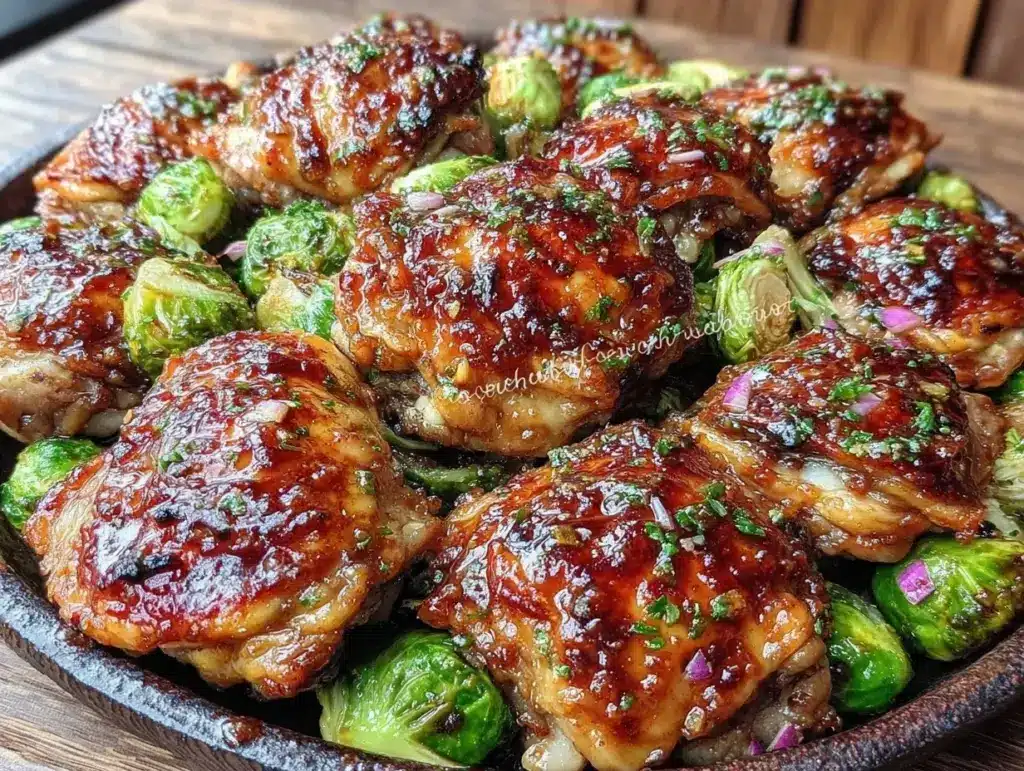
I have a confession to make. Last Tuesday, I stared into my fridge for a solid ten minutes, trying to convince myself that a sad, wilting handful of spinach and three dollars worth of chicken thighs could somehow transform into a gourmet meal. It didn’t look promising. But hunger has a way of sharpening your creativity (or just your desperation), so I threw those thighs on a sheet pan, grabbed the only two condiments I had left in the cupboard—maple syrup and Dijon mustard—and prayed.
Twenty-five minutes later, my kitchen smelled like a fancy bistro, not a bachelor pad running on fumes. The chicken was caramelized, the sauce was sticky and tangy, and it cost me less than a single slice of pizza. That night, I realized something important: eating well when you’re cooking for one doesn’t have to mean spending a fortune on fancy ingredients or dealing with a mountain of leftovers that will rot before you finish them. It just means knowing how to work the sheet pan.
This recipe for Sheet Pan Maple Dijon Chicken Thighs for One is my new best friend. It’s sweet, it’s savory, it’s ridiculously easy, and most importantly, it’s budget-friendly. I’ve made this at least a dozen times since that random Tuesday, tweaking the ratios until the glaze hit that perfect sticky-sweet-sour balance. If you’re tired of buying pre-marinated meat that costs a fortune, or if you’re just trying to stretch a small grocery budget without eating the same boring meal every night, this is your answer. It’s the kind of dinner that makes you feel like you’re treating yourself, even though you’re eating off a single plate at your kitchen counter.
Why You’ll Love This Recipe
Let’s be real. Cooking for one can feel like a chore. You don’t want to spend an hour prepping, and you definitely don’t want to buy a bag of onions if you only need one. This sheet pan meal solves all those problems. Here’s why I keep making it:
- Stupid Simple Cleanup — Seriously, if you can line a pan with foil, you can make this. One pan, one sauce, zero dishes. I’ve made this on nights when I was too exhausted to even think about scrubbing a skillet. Just throw the pan in the sink and walk away.
- Under $5 Per Serving — Chicken thighs are cheap. Maple syrup is cheap. Dijon is a pantry staple. You’re looking at pennies on the dollar compared to takeout. I calculated it once, and it came out to about $4.50 total. That’s a win in my book.
- Flavor That Wakes You Up — This isn’t bland diet food. The maple and Dijon create a caramelized crust that’s addictive. It’s sweet enough to satisfy a craving but tangy enough to keep it interesting. My neighbor actually asked for the recipe when he smelled it cooking (sorry, neighbor, it’s mine).
- Perfect Portion Control — No giant casserole dish with twelve servings you’ll ignore until Thursday. This recipe is designed for exactly two thighs. You eat it, you’re done, and you didn’t waste half the chicken.
- Pantry-Friendly — You probably have the sauce ingredients already. If you don’t, they’re basic staples you’ll use again and again. No weird ingredients sitting in the back of the spice rack for three years.
This is my go-to when I need dinner to just work. No complicated techniques, no weird ingredients, just reliable, delicious food that makes everyone happy (even if “everyone” is just me).
Ingredients You’ll Need
Here’s the best part: you probably have most of this already. I’m particular about three ingredients here, and I’ll tell you exactly why. This ingredient list is short, sweet, and won’t wreck your grocery budget.
For the Chicken
Chicken Thighs (2 bone-in, skin-on / about 350g total) — Boneless skinless works, but thighs have more flavor and stay juicier. I buy the family pack, portion it out, and freeze the rest. It’s way cheaper than buying two individual thighs. If you use boneless, cut the cook time down by 5 minutes.
Olive Oil (1 tablespoon / 15ml) — Just enough to help the skin crisp up. You don’t need much. Any neutral oil works, but olive oil adds a nice subtle note.
Salt and Black Pepper (to taste) — Don’t skimp. Season the chicken generously before it goes in the oven. I use about ½ teaspoon salt and ¼ teaspoon pepper for two thighs.
For the Glaze
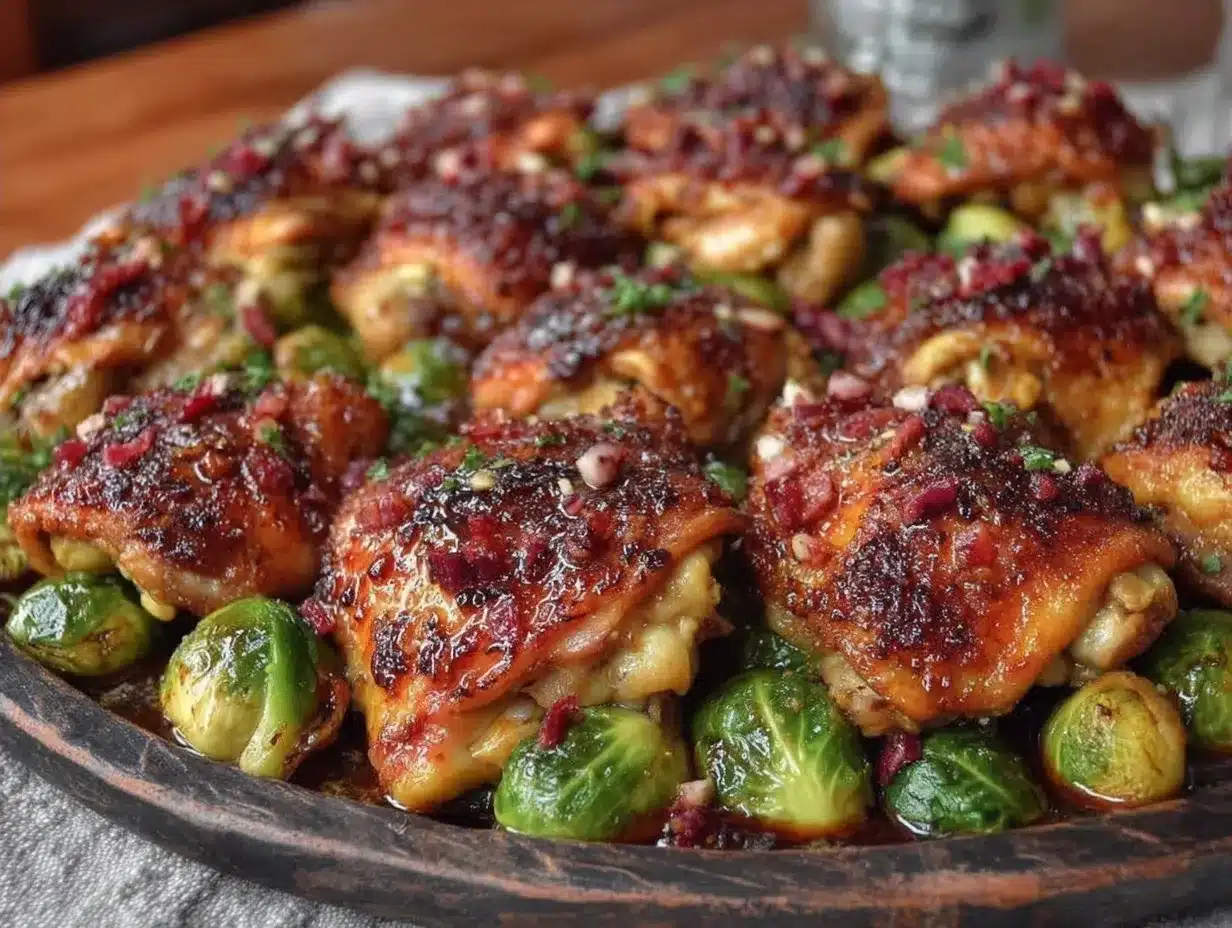
Maple Syrup (3 tablespoons / 45ml) — Use real maple syrup, not the pancake syrup stuff. The real stuff has depth and complexity. I keep a bottle of the cheap kind for pancakes and the good kind for cooking. This is worth the extra dollar.
Dijon Mustard (2 tablespoons / 30g) — This is the secret weapon. It cuts the sweetness and adds a spicy kick. Grey Poupon is great, but any decent Dijon works. Don’t use yellow mustard—it’s too harsh and vinegary.
Garlic (2 cloves, minced / about 1 teaspoon) — Fresh is best. If you’re being lazy, you can use jarred garlic, but fresh tastes so much better in this glaze. It adds that savory backbone.
Soy Sauce (1 teaspoon / 5ml) — I know, it sounds weird in a sweet sauce, but it adds umami and saltiness that balances everything. It’s not fishy; you won’t taste it directly, just the depth.
Optional Add-ins
Chopped Fresh Thyme or Rosemary (1 teaspoon) — If you have fresh herbs, throw them on. It makes it feel fancier. Dried works too, but fresh is better.
Red Pepper Flakes (¼ teaspoon) — For a little heat. I add this if I’m in the mood for something with a kick.
Vegetables — I sometimes toss in some chopped broccoli or sweet potato chunks. They cook in the same time as the chicken and soak up the glaze. Just make sure they’re cut small so they cook evenly.
Equipment Needed
You don’t need fancy equipment for this. Here’s what I actually use.
Sheet Pan — A standard half-sheet pan (13×18 inches) works perfectly. I use a rimmed baking sheet because the glaze can bubble over a little. If you don’t have a half-sheet, a quarter sheet works fine for one person.
Parchment Paper or Foil — I line my pan with foil for easy cleanup. Sometimes I use parchment if I’m worried about sticking, but foil is cheaper and I recycle it anyway.
Small Mixing Bowl — For whisking the sauce. Any bowl works. I usually use the same small bowl I use for my morning coffee.
Measuring Spoons — Pretty standard stuff. Dollar store versions work fine. You don’t need to be exact, but close helps.
Oven — Preheated to 400°F (200°C). Make sure your oven is actually at that temperature. I keep an oven thermometer just to be sure, because ovens lie.
Tongs — For flipping the chicken. Or a spatula. Whatever you have. I use tongs because they give me better control.
How to Make It: Step-by-Step
Alright, let’s make this! I’m walking you through exactly how I do it, including the little tricks I’ve picked up.
Step 1: Prep Your Oven and Pan (5 minutes)
Preheat your oven to 400°F (200°C). Line your sheet pan with foil or parchment paper. This step is crucial for cleanup. Trust me, you’ll thank yourself later when you don’t have to scrub baked-on sugar off your pan.
Step 2: Season the Chicken (2 minutes)
Pat the chicken thighs dry with a paper towel. This sounds minor, but dry skin = crispy skin. I can’t stress this enough. If the skin is wet, it steams instead of crisps. Season both sides generously with salt and pepper. I use my fingers to rub the salt in, just to make sure it gets everywhere.
Step 3: Make the Glaze (2 minutes)
In a small bowl, whisk together the maple syrup, Dijon mustard, minced garlic, and soy sauce. It should look like a thick, glossy sauce. If it’s too thick, add a teaspoon of water. If it’s too thin, add a little more mustard. I usually just eyeball it, but the ratios above are a good starting point.
Step 4: Arrange and Sauce (3 minutes)
Place the chicken thighs on the prepared sheet pan, skin-side up. Drizzle the olive oil over the chicken and rub it in. Then, spoon half of the glaze over the chicken. Use a brush or a spoon to coat the skin evenly. Save the rest of the glaze for later.
Step 5: Bake (20-25 minutes)
Put the pan in the oven. Bake for 15 minutes. Then, take the pan out and flip the chicken. Brush the remaining glaze over the chicken, making sure to get it under the skin where possible. Return to the oven and bake for another 10-15 minutes, until the chicken is cooked through (internal temp of 165°F / 74°C) and the glaze is caramelized and sticky.
Pro Tip: Watch the last few minutes closely. Sugar burns fast. If the glaze is getting too dark, cover the chicken loosely with foil.
Step 6: Rest and Serve (5 minutes)
Take the pan out of the oven and let the chicken rest for 5 minutes. This lets the juices redistribute. Then, serve immediately. I usually eat it straight from the pan, but you can plate it if you’re feeling fancy. Garnish with fresh herbs if you have them.
Expert Tips & Tricks
Here’s everything I’ve learned from making this dozens of times. These tips will save you from my mistakes.
Don’t Skip the Dry Skin
I know it’s annoying, but patting the chicken dry is the single most important step for crispy skin. Wet skin = rubbery skin. I use paper towels, but a clean kitchen towel works too.
Use Real Maple Syrup
I’ve tried the pancake syrup stuff, and it’s just too sweet and artificial. Real maple syrup has a complexity that balances the Dijon. It’s worth the extra few dollars.
Flip Halfway
Flipping the chicken ensures even cooking and prevents the bottom from burning. It also helps the glaze caramelize on all sides. Don’t skip this step.
Save the Pan Juice
After you’ve eaten the chicken, there’s usually some delicious glaze left in the pan. Don’t throw it away! Scrape it up with a little water and pour it over the chicken or use it as a dip. Waste not, want not.
Adjust for Boneless
If you use boneless, skinless thighs, reduce the cook time by 5-7 minutes. They cook faster and can dry out if you leave them in too long. Check the temperature early.
Variations & Substitutions
Once you’ve nailed the basic version, here’s how you can mix it up. I’ve tried all of these.
Spicy Version
Add ½ teaspoon of cayenne pepper or a pinch of red pepper flakes to the glaze. It adds a nice heat that cuts through the sweetness. I love this version on cold nights.
Herb-Forward
Add 1 teaspoon of dried thyme or oregano to the glaze. Or use fresh herbs if you have them. It makes it taste more like a restaurant dish.
Vegetable Side
Toss in some chopped broccoli, cauliflower, or sweet potato chunks. They cook in the same time as the chicken and soak up the glaze. Just make sure they’re cut small.
Gluten-Free
Use tamari instead of soy sauce. Everything else is naturally gluten-free. I’ve used this version when I’m avoiding gluten, and it tastes just as good.
Dairy-Free
This recipe is already dairy-free, so no changes needed. Just make sure your maple syrup and Dijon are dairy-free (most are, but check labels just in case).
Serving & Storage
How to Serve:
I usually serve this straight from the skillet at the dinner table—it looks rustic and stays warm. But here are other ways I’ve enjoyed it:
- With Rice or Quinoa: A bed of fluffy rice soaks up the extra glaze. It’s filling and cheap.
- With Roasted Veggies: I often roast some Brussels sprouts or carrots alongside the chicken. It’s a complete meal.
- With a Simple Salad: A handful of greens with a vinaigrette balances the richness of the chicken.
Storage Instructions:
Refrigerator: Store in an airtight container for up to 3 days. The chicken will keep, and the glaze will thicken in the fridge—totally normal.
Reheating: Best method: Reheat in a skillet over medium heat with a splash of water. This keeps the chicken moist. Microwave works too, but it can dry out the skin. If you microwave, do it in short bursts and cover with a damp paper towel.
Freezing: You can freeze the cooked chicken for up to 3 months. Thaw in the fridge overnight and reheat as above. I sometimes freeze the uncooked marinated chicken for later—it works great.
Nutrition Information
I’m not a nutritionist, but here’s the breakdown if you’re tracking. This is per serving (2 thighs).
Per Serving:
- Calories: 320
- Protein: 28g
- Carbs: 12g
- Fiber: 0g
- Sugar: 10g
- Fat: 18g
- Saturated Fat: 5g
- Cholesterol: 110mg
- Sodium: 450mg
What’s Good: High protein, relatively low carb. It’s a solid meal for muscle building or weight management.
What to Know: Higher in sodium due to the soy sauce and mustard. If you’re watching salt, reduce the soy sauce or use low-sodium versions. The sugar comes from the maple syrup, which is natural, but still adds up.
My Take: Look, this is comfort food. It’s not a diet recipe, but it’s way better than takeout, costs less, and I know exactly what’s in it. When I want to make it lighter, I skip the extra glaze and add more veggies. But usually? I just eat a reasonable portion and enjoy it.
Final Thoughts
So that’s my go-to sheet pan maple dijon chicken thighs for one! I’ve probably talked your ear off at this point, but when you make a recipe this often, you have a lot to say about it.
This has saved weeknight dinners more times than I can count. It’s my answer to “what’s for dinner” when I’m tired, don’t want takeout, and still want something that tastes really good. I’m happy because I’m not stressed about cooking, and I’m happy because it’s cheap.
Make it yours! Try different add-ins, swap in your favorite vegetables, adjust the garlic (though more is always better in my opinion). The best recipes are the ones you adapt to your tastes.
If you make this, drop a comment and let me know what you think! I love hearing how recipes turn out in your kitchen. And if something doesn’t work, tell me that too—I’m here to help troubleshoot.
Happy cooking! And I hope your kitchen smells half as good as mine does right now.
Frequently Asked Questions
Can I use boneless, skinless chicken thighs?
Absolutely. Just reduce the cook time by 5-7 minutes. They cook faster and can dry out if you leave them in too long. Check the temperature early. I use boneless thighs when I’m in a rush, but I prefer skin-on for the crispiness.
Why did my chicken turn out watery?
Usually, this means the skin wasn’t dry enough before cooking. Pat it thoroughly with paper towels. Also, make sure your oven is preheated properly. If the oven isn’t hot enough, the chicken steams instead of roasts.
Can I make this ahead for a dinner party?
Sort of. You can marinate the chicken ahead of time, but cook it fresh. I don’t recommend making the whole dish ahead because the skin won’t stay crispy. Reheating cooked chicken thighs can also dry them out. Best to cook it right before serving.
Why did my glaze burn?
Sugar burns fast. If your oven runs hot or you left it in too long, the glaze might have caramelized too much. Watch the last few minutes closely. If it’s getting too dark, cover the chicken loosely with foil.
Can I use honey instead of maple syrup?
You can, but the flavor will be different. Honey is sweeter and less complex. I prefer maple syrup for its distinct taste, but honey works in a pinch. Just reduce the amount slightly because honey is sweeter.
How do I reheat leftovers without it getting dry?
Add a splash of water to a skillet and reheat gently over medium heat. This steams the chicken slightly and keeps it moist. Microwave works too, but cover it with a damp paper towel and heat in short bursts.
Can I double this recipe?
Yes, but you’ll need a larger pan. Make sure the chicken isn’t crowded, or it will steam instead of roast. Cook in batches if necessary. The cooking time stays the same.
Pin This Recipe!
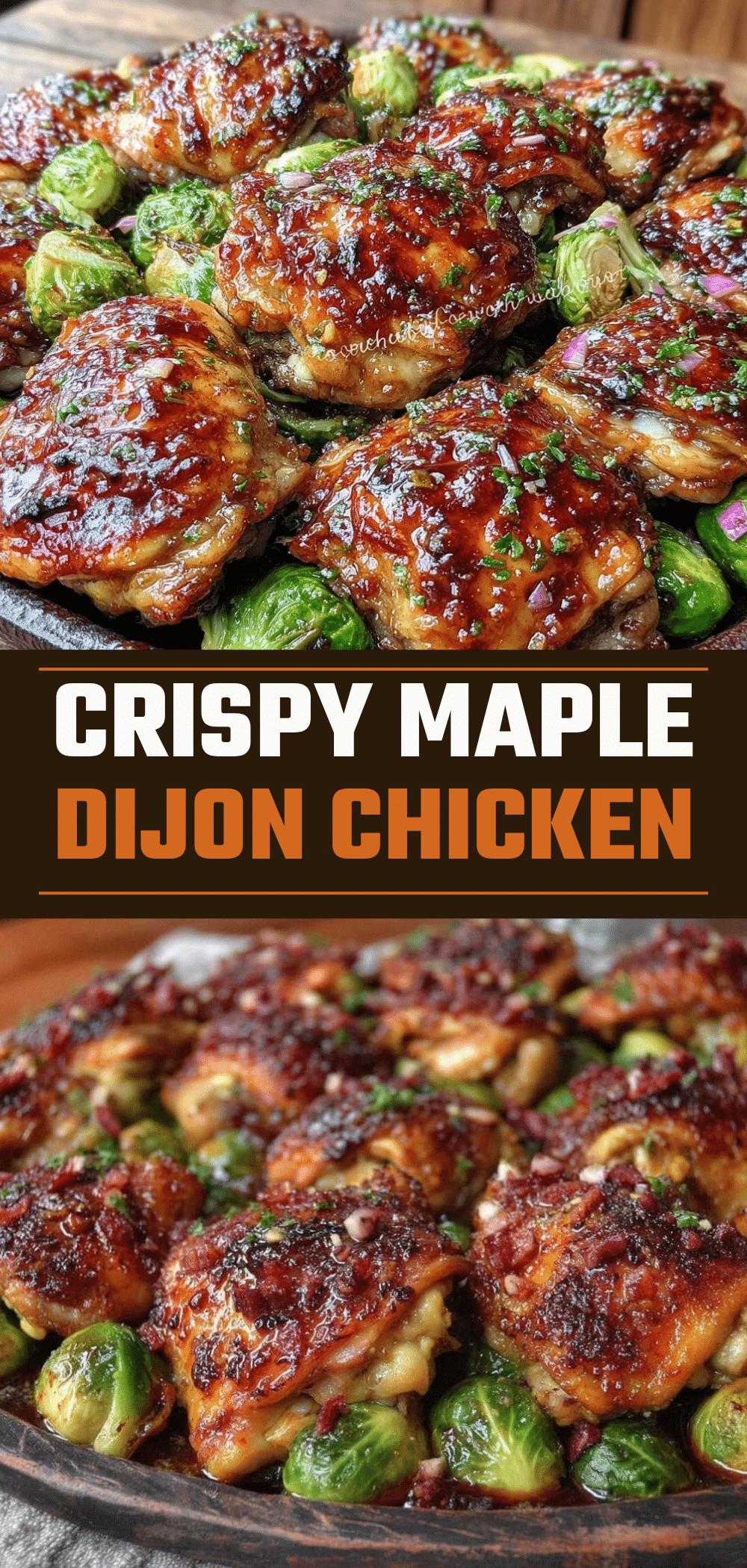
Sheet Pan Maple Dijon Chicken Thighs for One
- Total Time: 37 minutes
- Yield: 1 serving 1x
Description
A budget-friendly, single-serving sheet pan dinner featuring caramelized chicken thighs with a sticky sweet and tangy maple Dijon glaze. It requires minimal prep, offers easy cleanup, and delivers restaurant-quality flavor for under $5.
Ingredients
- 2 bone-in, skin-on chicken thighs (about 350g total)
- 1 tablespoon olive oil
- 1/2 teaspoon salt
- 1/4 teaspoon black pepper
- 3 tablespoons real maple syrup
- 2 tablespoons Dijon mustard
- 2 cloves garlic, minced
- 1 teaspoon soy sauce
- 1 teaspoon chopped fresh thyme or rosemary (optional)
- 1/4 teaspoon red pepper flakes (optional)
Instructions
- Preheat oven to 400°F (200°C). Line a sheet pan with foil or parchment paper.
- Pat chicken thighs dry with paper towels to ensure crispy skin. Season both sides generously with salt and pepper.
- In a small bowl, whisk together maple syrup, Dijon mustard, minced garlic, and soy sauce to create the glaze.
- Place chicken thighs on the prepared pan, skin-side up. Drizzle with olive oil and rub in. Spoon half of the glaze over the chicken, coating the skin evenly.
- Bake for 15 minutes. Remove from oven, flip the chicken, and brush the remaining glaze over the chicken, getting under the skin where possible.
- Return to oven and bake for another 10-15 minutes, until internal temperature reaches 165°F (74°C) and glaze is caramelized.
- Let chicken rest for 5 minutes before serving. Garnish with fresh herbs if desired.
Notes
Patting the chicken skin dry is crucial for crispiness. Use real maple syrup, not pancake syrup, for better flavor. If using boneless, skinless thighs, reduce cook time by 5-7 minutes. Watch the last few minutes of baking closely as sugar burns easily; cover with foil if glaze gets too dark. Save the pan juices to use as a dip or sauce.
- Prep Time: 12 minutes
- Cook Time: 25 minutes
- Category: Main Course
- Cuisine: American
Nutrition
- Serving Size: 2 chicken thighs
- Calories: 320
- Sugar: 10
- Sodium: 450
- Fat: 18
- Saturated Fat: 5
- Carbohydrates: 12
- Protein: 28
Keywords: sheet pan dinner, chicken thighs, maple dijon, easy dinner, budget meals, cooking for one, healthy dinner, gluten-free option


