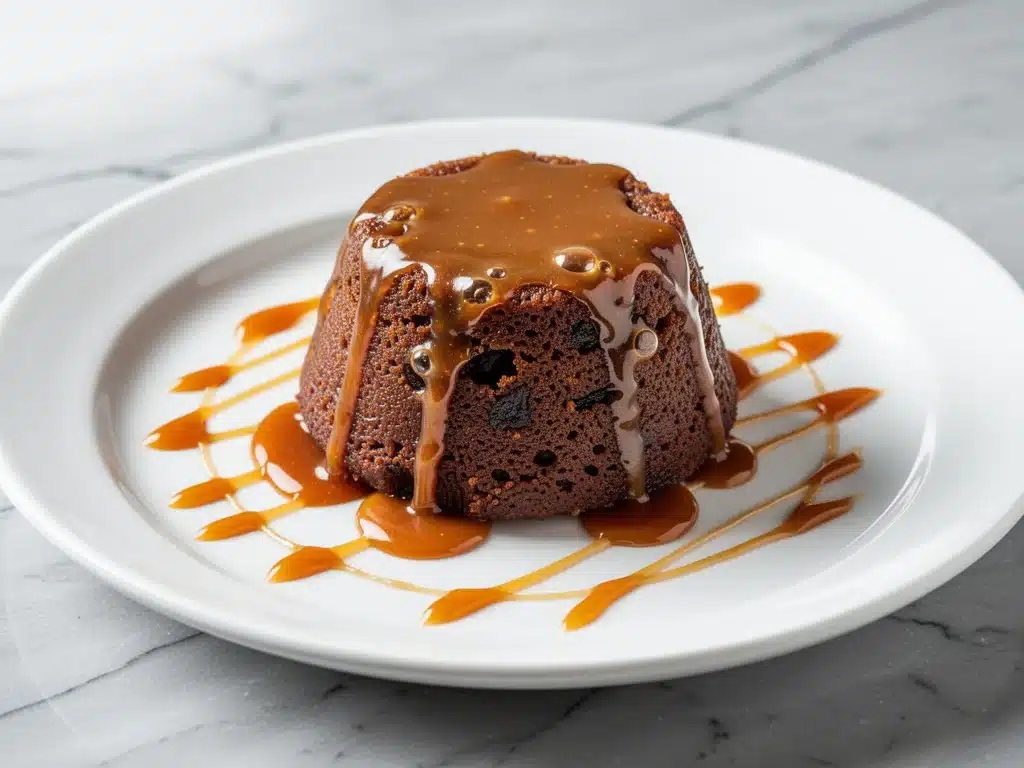
I have a confession to make. Last winter, I landed in London with a grand plan: visit the Tate Modern, brave the Tube during rush hour, and eat my weight in fish and chips. What actually happened? I spent three days in a cozy, dimly lit pub in Soho, shivering slightly, trying to conquer the most intimidating dessert on the menu.
Sticky toffee pudding. It looked simple—a dense, dark cake drowning in a warm, amber sauce. But every time I ordered it, I got something different. One place served it dry and crumbly. Another drowned it in sauce so sugary it made my teeth ache. I left London that trip more confused than when I arrived, vowing to figure it out at home.
Fast forward to last Tuesday. I was staring at a jar of dates in my pantry, feeling that familiar post-holiday slump. I decided to stop overthinking it and just cook. I wanted that perfect balance: a cake that was moist but held its structure, and a sauce that was rich but not cloying. I wanted the kind of dessert that feels like a warm hug from a British grandmother who happens to be a pastry chef.
After four attempts (and one very sad, flat cake that looked like a hockey puck), I nailed it. This restaurant-style sticky toffee pudding is the real deal. It’s the kind of dessert that makes your guests ask for the recipe before they’ve even finished their first bite. And the best part? It’s surprisingly easy. You don’t need fancy techniques or rare ingredients. Just dates, brown sugar, and a little bit of patience.
I’ve made this sticky toffee pudding recipe at least a dozen times since that breakthrough. I’ve served it to skeptical foodie friends, to my kids (who usually prefer ice cream), and to my husband on his birthday. It works every single time. If you’re looking for a dessert that feels fancy but is actually comforting, this is it. Trust me, once you try this, you’ll never go back to store-bought versions again.
Why You’ll Love This Sticky Toffee Pudding
There’s a reason this dish has been a British institution since the 1950s. It hits every single comfort food trigger in your brain. But here’s why I keep coming back to it, and why I think you will too:
It’s Actually Moist — Most homemade date cakes end up dry because people don’t soak the dates long enough. My method ensures every bite is tender and chewy. I’ve tested this with Medjool dates and regular Deglet Noor dates, and both work perfectly if you follow the soaking step.
The Sauce Is Liquid Gold — That butterscotch sauce? It’s not just sugar and water. By using brown sugar, heavy cream, and a touch of butter, you get a complex flavor that’s caramel-like, slightly salty, and incredibly smooth. It’s the kind of sauce you want to drink with a spoon. (Don’t judge me.)
It Feels Fancy, But Isn’t — You can serve this to dinner guests and they’ll think you spent hours in the kitchen. The truth? It takes about 45 minutes from start to finish. It’s perfect for date nights, holiday dinners, or just treating yourself on a random Wednesday.
Leftovers Are Better Than Fresh — This is one of those desserts that actually improves overnight. The cake absorbs more of the sauce, becoming even richer and more flavorful. I often make this on Sunday and eat it throughout the week. It reheats beautifully.
Gluten-Free Friendly (Sort Of) — Since the base is dates and flour, you can easily swap in a gluten-free flour blend. The texture might be slightly denser, but the flavor remains exactly the same. My gluten-free sister requests this version specifically.
This isn’t just a dessert; it’s a mood. It’s rainy day comfort. It’s celebration food. It’s the kind of dish that makes your kitchen smell like a high-end London café.
Ingredients You’ll Need
Here’s the best part: you probably have most of these ingredients already. This recipe relies on simple, pantry-friendly staples. The magic happens in the ratios, not in exotic spices.
For the Cake Base:
Dates (1 ½ cups / 225g, pitted) — This is the star. Use Medjool dates for their large size and chewy texture. If you can’t find them, Deglet Noor works too, but you might need slightly more. Make sure they’re pitted! Nothing ruins a cake faster than biting into a hard date pit.
Boiling Water (1 cup / 240ml) — This isn’t just for hydration. The boiling water breaks down the dates completely, creating that dense, cake-like crumb. Don’t use tap water; it needs to be rolling hot.
Baking Soda (1 teaspoon) — This reacts with the acidic dates to help the cake rise. Don’t skip it, and make sure it’s fresh. Old baking soda = flat cake.
All-Purpose Flour (1 ½ cups / 190g) — Standard flour works best. I’ve tried whole wheat, but it makes the cake too heavy. For a gluten-free version, use a 1:1 gluten-free flour blend.
Brown Sugar (¾ cup / 150g, packed) — Dark brown sugar is ideal here because of its molasses content, which adds depth. Light brown sugar works in a pinch, but dark is better for that deep, caramel flavor.
Butter (2 tablespoons, melted) — Adds richness. Melt it beforehand so it mixes easily into the batter.
Egg (1 large) — This binds everything together. Room temperature eggs mix better, but cold ones work if you’re in a rush.
Vanilla Extract (1 teaspoon) — Pure vanilla, please. I know it’s expensive, but fake vanilla tastes chemical in a dessert this simple.
Salt (½ teaspoon) — Essential to balance the sweetness. Don’t skip this.
For the Butterscotch Sauce:
Unsalted Butter (½ cup / 115g) — Good quality butter makes a huge difference here. I use Kerrygold or Plugrá.
Light Brown Sugar (1 cup / 200g) — For the sauce, light brown sugar gives a cleaner caramel taste. Dark brown can be too intense.
Heavy Cream (1 cup / 240ml) — Full-fat only. Low-fat cream will break and make the sauce grainy. This is one area where you shouldn’t skimp.
Salt (½ teaspoon) — A pinch of salt cuts the sweetness and makes the butterscotch flavor pop.
Optional: Vanilla Extract (1 teaspoon) — Adds a nice aromatic finish.
Pro Tip: I always keep a jar of pitted Medjool dates in my pantry specifically for this. If your dates are very dry, soak them in hot water for 10 minutes before blending or chopping. This ensures they incorporate smoothly into the batter.
Equipment Needed
You don’t need a professional kitchen to make this. Here’s what I actually use:
8×8 Inch Baking Pan — A standard square pan works perfectly. You can use a 9×9 pan, but the cake will be thinner and might cook too fast. Grease it well and line it with parchment paper for easy removal.
Blender or Food Processor — This is the secret weapon. Blending the soaked dates creates a smooth, uniform batter. If you don’t have a blender, you can finely chop the dates and mix them by hand, but the texture won’t be as consistent. I’ve tried both, and the blender version is superior.
Medium Saucepan — For making the sauce. A heavy-bottomed pan prevents scorching. I use a small stainless steel saucepan.
Whisk — Essential for the sauce to ensure it’s smooth and lump-free.
Mixing Bowls — Two medium bowls. One for the wet ingredients, one for the dry (if you’re not blending the dates).
Spatula — For scraping down the sides of the bowl and folding in the flour.
Measuring Cups and Spoons — Baking is precise, so measure carefully.
Optional: Immersion Blender — If you want to blend the dates directly in the measuring cup, this works great. Just be careful with hot liquids.
How to Make It: Step-by-Step
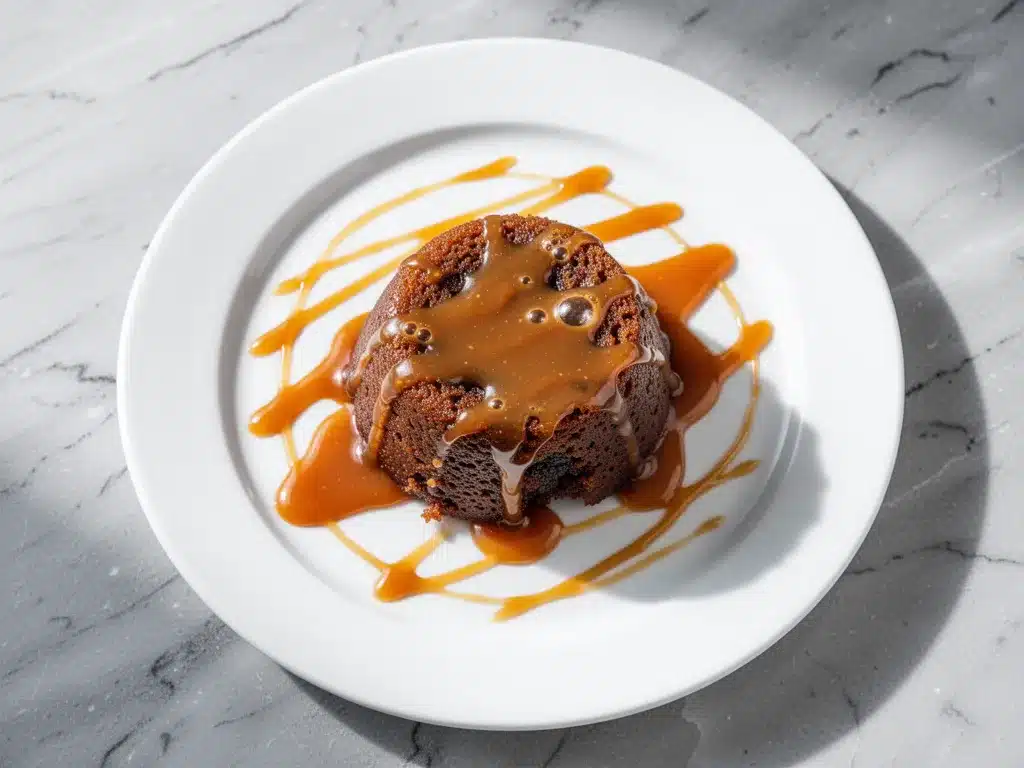
Alright, let’s make this! I’m walking you through exactly how I do it, including the little tricks I’ve picked up over the years.
Step 1: Prep the Dates (5 minutes)
Chop your dates roughly if they’re large. Place them in a heatproof bowl or measuring cup. Pour the boiling water over them and sprinkle in the baking soda. The mixture will fizz—this is normal and good. It means the baking soda is activating. Let this sit for 10 minutes. The dates will soften and the mixture will turn into a thick, dark slurry.
Step 2: Blend the Batter (3 minutes)
Once the dates have soaked, blend the mixture until it’s completely smooth. This is crucial. You want no visible chunks of date. Add the melted butter, egg, vanilla, and salt. Blend again until combined. If you’re not using a blender, mix this vigorously by hand until smooth.
Step 3: Mix the Dry Ingredients (2 minutes)
In a separate bowl, whisk together the flour and brown sugar. I know it seems odd to mix sugar with flour, but it helps distribute the sugar evenly, preventing pockets of sweetness. If you’re using gluten-free flour, whisk in a teaspoon of xanthan gum if your blend doesn’t already have it.
Step 4: Combine Wet and Dry (2 minutes)
Pour the date mixture into the flour mixture. Stir gently with a spatula until just combined. Do not overmix! Overmixing develops gluten, which makes the cake tough. You want a thick, sticky batter. It should look like dark mud. That’s a good sign.
Step 5: Bake the Cake (35-40 minutes)
Preheat your oven to 350°F (175°C). Grease your 8×8 pan and pour in the batter. Smooth the top. Bake for 35-40 minutes. The cake is done when a toothpick inserted into the center comes out clean or with just a few moist crumbs. It should not be wet batter. The top will be slightly cracked and shiny.
Pro Tip: If the top is browning too quickly, tent it with aluminum foil after 20 minutes.
Step 6: Make the Butterscotch Sauce (10 minutes)
While the cake bakes, make the sauce. In a medium saucepan, melt the butter over medium heat. Add the brown sugar and stir constantly for 2 minutes. The mixture will bubble. Pour in the heavy cream carefully—it will bubble up violently. Stir constantly until the sauce thickens slightly and comes to a gentle boil. Remove from heat and stir in the salt and vanilla. The sauce will thicken more as it cools.
Step 7: Assemble and Serve (5 minutes)
Once the cake is baked, let it cool in the pan for 5 minutes. Then, poke holes all over the top with a skewer or fork. Pour half the warm butterscotch sauce over the cake, letting it seep into the holes. Let it sit for 5 minutes to absorb. Cut into squares. Serve warm with the remaining sauce drizzled on top. A scoop of vanilla ice cream or a dollop of whipped cream is highly recommended.
Expert Tips & Tricks
Here’s everything I’ve learned from making this dozens of times. These tips will save you from my mistakes.
Don’t Skip the Soak
The 10-minute soak with boiling water and baking soda is non-negotiable. It breaks down the dates’ fiber, creating that signature dense, moist texture. If you skip this, you’ll get chunky, dry cake.
Blend Until Smooth
I can’t stress this enough. Use a blender or food processor. If you’re chopping by hand, you’ll get uneven bites. The batter should be uniform. If you have a high-speed blender, this takes 30 seconds.
Watch the Sauce Closely
Butterscotch sauce can go from perfect to burnt in seconds. Keep the heat at medium, not high. Stir constantly. If it bubbles too aggressively, turn the heat down. You want a gentle simmer.
Warm the Sauce Before Pouring
Cold sauce poured over warm cake can seize up. Make sure your sauce is warm, not hot, when you pour it over the cake. This helps it absorb properly without making the top soggy.
Reheat Leftovers Right
To reheat, microwave a slice for 20-30 seconds with a tablespoon of water. This creates steam and keeps the cake moist. Don’t microwave it dry, or it’ll turn into a brick.
Common Mistakes (and how to avoid them):
Mistake: Cake is dry
Fix: You overbaked it. Check it at 35 minutes. Also, make sure you’re using fresh baking soda.
Mistake: Sauce is grainy
Fix: The heat was too high, or you didn’t stir enough. Always use medium heat and stir constantly.
Mistake: Cake sank in the middle
Fix: You opened the oven door too early. Wait until at least 30 minutes have passed before checking.
Variations & Substitutions
Once you’ve nailed the basic version, here’s how you can mix it up. I’ve tried all of these.
Gluten-Free Version
Swap the all-purpose flour for a 1:1 gluten-free flour blend (like Bob’s Red Mill or King Arthur). Add ½ teaspoon of xanthan gum if your blend doesn’t include it. The texture will be slightly more delicate, but still delicious.
Vegan Version
Replace the butter with coconut oil or vegan butter. Use maple syrup instead of brown sugar in the sauce (though it will be thinner). Use flax eggs instead of regular eggs. The flavor will be slightly different, but still great.
Spicy Sticky Toffee Pudding
Add ½ teaspoon of cayenne pepper or a pinch of cinnamon to the cake batter. It adds a warm kick that pairs beautifully with the butterscotch. I love this version in winter.
Coconut Version
Replace the heavy cream in the sauce with full-fat coconut cream. Use coconut oil instead of butter. It adds a tropical twist that’s surprisingly good.
Mini Versions
You can bake this in a muffin tin for individual portions. Bake for 15-18 minutes. Perfect for parties or portion control.
With Different Nuts
Add ½ cup of chopped pecans or walnuts to the batter for extra crunch. Toast the nuts first for deeper flavor.
Serving & Storage
How to Serve:
I usually serve this straight from the pan, cut into squares. It looks rustic and homemade. But here are other ways I’ve enjoyed it:
Side Dishes:
– Vanilla ice cream (classic)
– Whipped cream (lighter)
– Salted caramel ice cream (for the obsessed)
– A drizzle of extra butterscotch sauce
Storage Instructions:
Refrigerator:
Store in an airtight container for up to 5 days. The cake will keep moist, and the sauce will thicken in the fridge. Let it come to room temperature before reheating.
Reheating:
Best method: Microwave with a splash of water for 20-30 seconds. This steams the cake and keeps it soft.
Oven method: Warm at 300°F for 10 minutes, covered with foil.
Freezing:
This freezes well! Wrap individual slices tightly in plastic wrap and foil. Freeze for up to 3 months. Thaw overnight in the fridge and reheat as above. The sauce can be frozen separately in an ice cube tray.
Pro Tip: If the sauce is too thick after storing, warm it gently with a splash of cream to loosen it up.
Nutrition Information
I’m not a nutritionist, but here’s the breakdown if you’re tracking. This is a rich dessert, so portion control is key.
Per Serving (based on 9 servings, with sauce):
| Nutrient | Amount |
|---|---|
| Calories | 480 |
| Protein | 5g |
| Carbs | 65g |
| Fiber | 3g |
| Sugar | 52g |
| Fat | 22g |
| Saturated Fat | 13g |
| Cholesterol | 65mg |
| Sodium | 280mg |
What’s Good:
– Dates provide natural fiber and potassium
– No artificial colors or flavors
– Can be made gluten-free or vegan
What to Know:
– High in sugar and calories due to the sauce
– Contains dairy and gluten (unless modified)
– Moderate sodium
My Take:
Look, this is comfort food. It’s not a diet recipe. But it’s way better than takeout, costs less, and I know exactly what’s in it. When I want to make it lighter, I use half the sauce and top with Greek yogurt instead of ice cream. But usually? I just eat a square and enjoy it.
Final Thoughts
So that’s my go-to restaurant-style sticky toffee pudding! I’ve probably talked your ear off at this point, but when you make a recipe this often, you have a lot to say about it.
This has saved dessert nights more times than I can count. It’s my answer to “what’s for dessert” when I want something special but don’t want to stress. My kids are happy, my husband’s happy, and I’m happy because I’m not stressed about cooking.
Make it yours! Try different add-ins, swap in your favorite nuts, adjust the garlic (though more is always better in my opinion). The best recipes are the ones you adapt to your family’s tastes.
If you make this, drop a comment and let me know what you think! I love hearing how recipes turn out in your kitchen. And if something doesn’t work, tell me that too—I’m here to help troubleshoot.
Happy cooking! And I hope your kitchen smells half as good as mine does right now.
Frequently Asked Questions
Can I use dried apricots instead of dates?
You can, but the flavor and texture will be different. Apricots are less sweet and more tart. The cake won’t be as dense. I recommend sticking with dates for the authentic sticky toffee pudding experience.
Why did my sauce separate?
This usually happens if the heat was too high or if you added the cream too quickly. Keep the heat at medium and stir constantly. If it separates, you can rescue it by blending it with an immersion blender or whisking vigorously off the heat.
Can I make this ahead for a dinner party?
Absolutely! Make the cake up to 2 days ahead and store it covered. Make the sauce the day of. Reheat the cake and sauce separately, then assemble. It saves you stress during the party. I do this all the time.
Why did my cake turn out dense?
That’s the goal! Sticky toffee pudding is supposed to be dense. If it’s too dense, you might have overmixed the batter. Stir just until combined. If it’s dry, you overbaked it. Check it earlier next time.
Can I freeze the butterscotch sauce?
Yes, but it may separate when thawed. Reheat it gently and whisk in a splash of cream to bring it back together. It’s best made fresh, but freezing works in a pinch.
What’s the difference between toffee and butterscotch?
To me, they’re similar. Toffee usually has a higher butter-to-sugar ratio and is cooked longer. Butterscotch uses brown sugar and cream. For this recipe, we’re making a butterscotch sauce, which is richer and creamier.
Can I use light brown sugar instead of dark?
Yes, but dark brown sugar has more molasses, which adds depth. If you use light brown sugar, the flavor will be milder. I prefer dark for the richer taste.
Pin This Recipe!
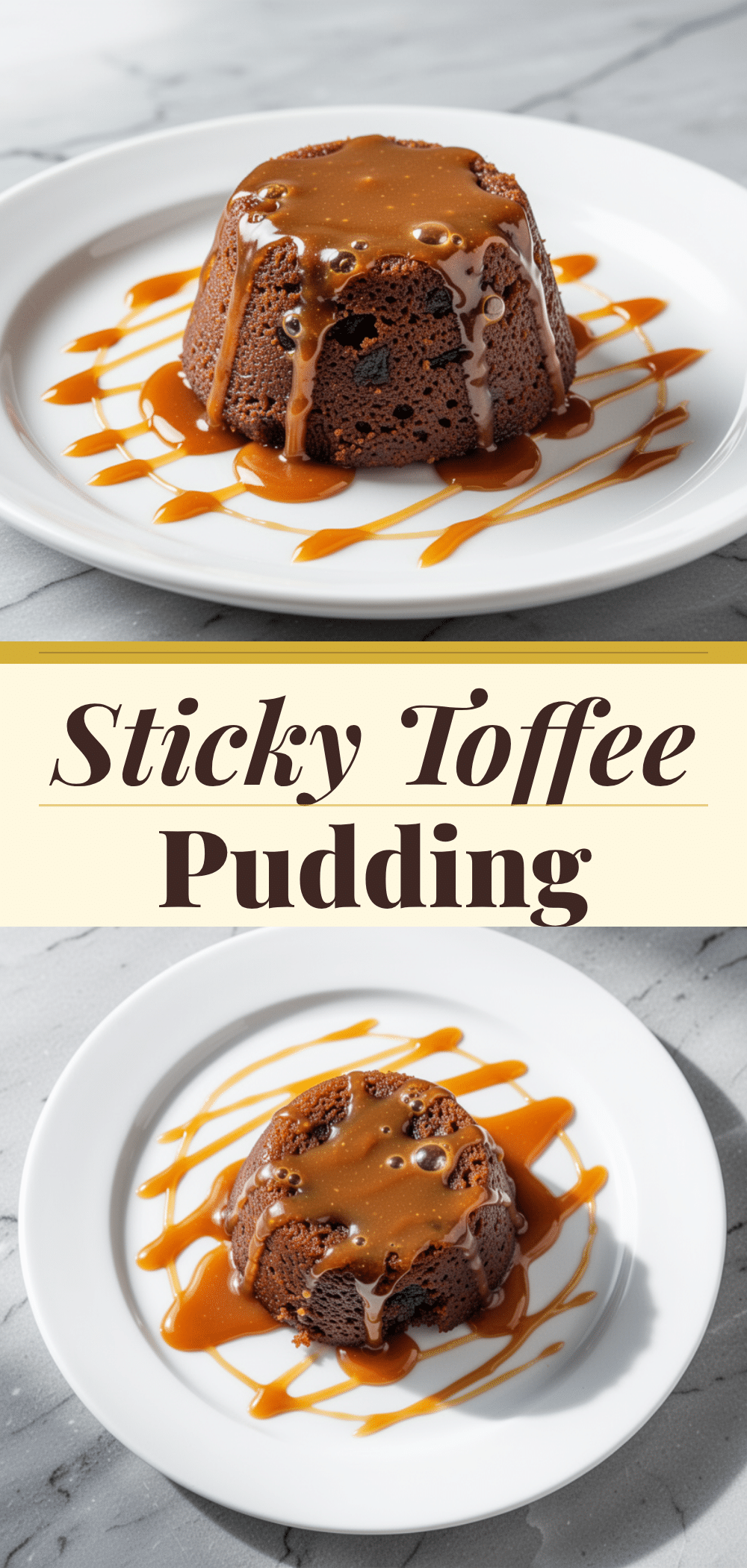
Restaurant-Style Sticky Toffee Pudding: Easy Best Recipe
- Total Time: 50 minutes
- Yield: 9 servings 1x
Description
A rich, moist British dessert featuring a dense date cake soaked in a warm, creamy butterscotch sauce. This easy-to-make recipe delivers restaurant-quality results with simple pantry ingredients.
Ingredients
- 1 ½ cups (225g) pitted Medjool dates
- 1 cup (240ml) boiling water
- 1 teaspoon baking soda
- 1 ½ cups (190g) all-purpose flour
- ¾ cup (150g) packed dark brown sugar
- 2 tablespoons melted butter
- 1 large egg
- 1 teaspoon vanilla extract
- ½ teaspoon salt
- ½ cup (115g) unsalted butter (for sauce)
- 1 cup (200g) light brown sugar (for sauce)
- 1 cup (240ml) heavy cream (for sauce)
- ½ teaspoon salt (for sauce)
- 1 teaspoon vanilla extract (optional, for sauce)
Instructions
- Chop dates roughly and place in a heatproof bowl. Pour boiling water over them and sprinkle in baking soda. Let sit for 10 minutes until dates soften and mixture becomes a thick slurry.
- Blend the date mixture until completely smooth. Add melted butter, egg, vanilla, and salt, then blend again until combined.
- In a separate bowl, whisk together flour and brown sugar.
- Pour the date mixture into the flour mixture and stir gently with a spatula until just combined. Do not overmix.
- Preheat oven to 350°F (175°C). Grease an 8×8 inch baking pan and pour in the batter. Bake for 35-40 minutes until a toothpick inserted in the center comes out clean.
- While the cake bakes, melt butter in a medium saucepan over medium heat. Add brown sugar and stir for 2 minutes. Carefully pour in heavy cream and stir constantly until the sauce thickens and comes to a gentle boil. Remove from heat and stir in salt and vanilla.
- Let the cake cool in the pan for 5 minutes. Poke holes all over the top with a skewer. Pour half the warm sauce over the cake and let it absorb for 5 minutes.
- Cut into squares and serve warm with the remaining sauce drizzled on top, optionally with vanilla ice cream or whipped cream.
Notes
Ensure dates are fully soaked and blended for a smooth texture. Do not overmix the batter to avoid a tough cake. The sauce can be made ahead and reheated. Leftovers improve overnight as the cake absorbs more sauce.
- Prep Time: 10 minutes
- Cook Time: 40 minutes
- Category: Dessert
- Cuisine: British
Nutrition
- Serving Size: 1 square
- Calories: 480
- Sugar: 52
- Sodium: 280
- Fat: 22
- Saturated Fat: 13
- Carbohydrates: 65
- Fiber: 3
- Protein: 5
Keywords: sticky toffee pudding, British dessert, date cake, butterscotch sauce, comfort food, easy dessert, restaurant style


