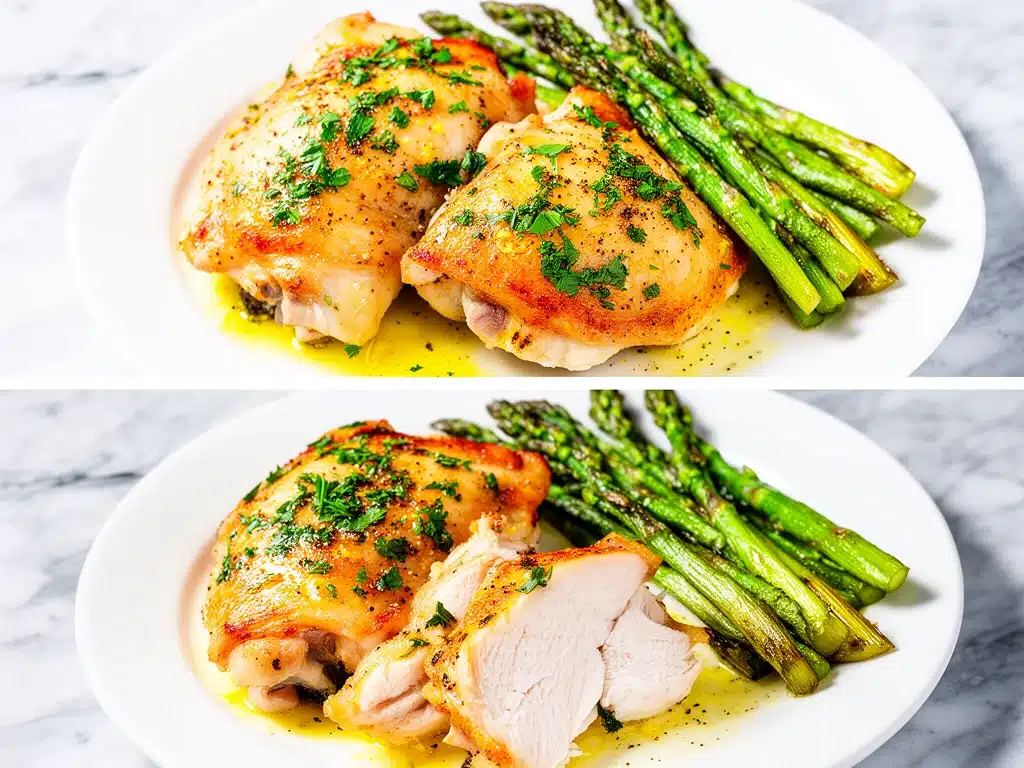
Last Tuesday, I walked through the front door at 6:45 PM with a bag of groceries, a headache, and absolutely zero motivation. My husband was already home with the kids, the dog needed walking, and the sky outside was that depressing gray that makes you want to order pizza and never shower again. I stared into the fridge, saw a sad-looking bunch of asparagus wilting in the crisper drawer, a few chicken breasts that had been waiting for this exact moment, and a lemon that looked slightly dry.
I didn’t want to cook. I really didn’t. But the idea of another frozen meal made my stomach turn. So I did what I always do when I’m too tired to think: I threw everything into one skillet and hoped for the best.
Thirty minutes later, the kitchen smelled like heaven. Not just “good food” heaven, but that specific, citrusy, garlicky, buttery aroma that makes your kids stop playing video games and ask, “What is that smell?” I plated it up, expecting something okay at best. Instead, we had a dinner that tasted like I’d spent an hour simmering a complex sauce in a French restaurant. The chicken was juicy, the asparagus had a perfect snap, and that lemon-herb butter sauce? It was liquid gold.
This one pan lemon herb butter chicken and asparagus has been my savior more times than I can count. It’s the answer to the eternal question: “What’s for dinner when I have no energy but still want to eat something that doesn’t taste like cardboard?” It’s bright, it’s fresh, it’s ridiculously easy, and it tastes like a treat. I’ve made this at least a dozen times since that Tuesday, and honestly, it’s become our Friday night tradition when we know we’re going to be too tired for anything else.
If you’re drowning in the weekday slump, this recipe is your lifeline. It’s got that restaurant-quality finish without the restaurant-quality effort. Let me tell you why this simple skillet meal has completely changed our dinner routine.
Why You’ll Love This One Pan Lemon Herb Butter Chicken
I’m not exaggerating when I say this recipe has single-handedly reduced my stress levels during the workweek. There are a few reasons I keep coming back to this skillet, but here’s the real talk on why it works so well for busy families.
- One Pan, Zero Drama — Seriously. One skillet. One set of tongs. One dish to wash. I know you’re thinking, “One pan? Really?” But hear me out. When you’re tired, the number of dishes is the enemy. This recipe minimizes cleanup to an absolute minimum. I’ve made this while helping my kid with homework, and it didn’t even require me to leave the stove.
- Ready in 30 Minutes — From the moment I take the chicken out of the fridge to the moment we sit down, it’s about 30 minutes. Maybe 25 if I’m feeling fast. That’s faster than waiting for a delivery driver, and it’s way healthier than whatever they’d bring. I make this on nights when I get home at 7 PM and still want to eat something real.
- Uses What You Have — Chicken breasts, asparagus, butter, lemon, herbs. You probably have half of this in your fridge right now. The asparagus is in season right now in many places, but frozen works too if you’re caught off guard. It’s pantry-friendly and fridge-clearing at the same time.
- Bright and Flavorful — I’m tired of heavy, creamy, carb-loaded dinners that make me feel sluggish. This dish is light, zesty, and satisfying. The lemon cuts through the richness of the butter, and the herbs add that fresh, garden-like taste. It feels like a vacation on a plate.
- Kid-Approved (Usually) — My picky eater, who usually refuses to touch “green sticks,” actually eats the asparagus when it’s cooked in this buttery lemon sauce. I don’t know the magic, but it works. The chicken is seasoned perfectly, not bland, so even the kids dig in.
This is my go-to when I need dinner to just work. No complicated techniques, no weird ingredients, just reliable, delicious food that makes everyone happy and leaves me with one pan to wash. It’s the kind of meal that makes you feel like a good parent and a decent cook, even on your worst days.
Ingredients You’ll Need
Here’s the best part: you probably have most of this already. This isn’t a recipe that requires a special trip to three different specialty stores. It’s simple, fresh, and effective. I’m particular about three ingredients here, and I’ll tell you exactly why.
For the Chicken
Chicken breasts (1.5 pounds / 680g) — I use boneless, skinless chicken breasts. They cook fast and absorb the sauce beautifully. If they’re huge, pound them down a bit so they cook evenly. I like to pat them dry with paper towels before seasoning—that’s the secret to good browning.
Italian seasoning (1 tablespoon) — This is your flavor base. I use a good quality blend that has basil, oregano, and thyme. If you don’t have Italian seasoning, mix 1 teaspoon each of dried basil, oregano, and thyme. It makes a huge difference.
Garlic (4 cloves, minced / about 2 tablespoons) — Fresh garlic only. No jarred stuff. This recipe relies on that fresh, pungent garlic flavor. If you hate garlic, use 2 cloves, but don’t skip it. It’s the backbone of the sauce.
Salt and black pepper — Generous amounts. Season the chicken well before it hits the pan. I use about 1 teaspoon of kosher salt and ½ teaspoon of black pepper for the chicken.
For the Sauce
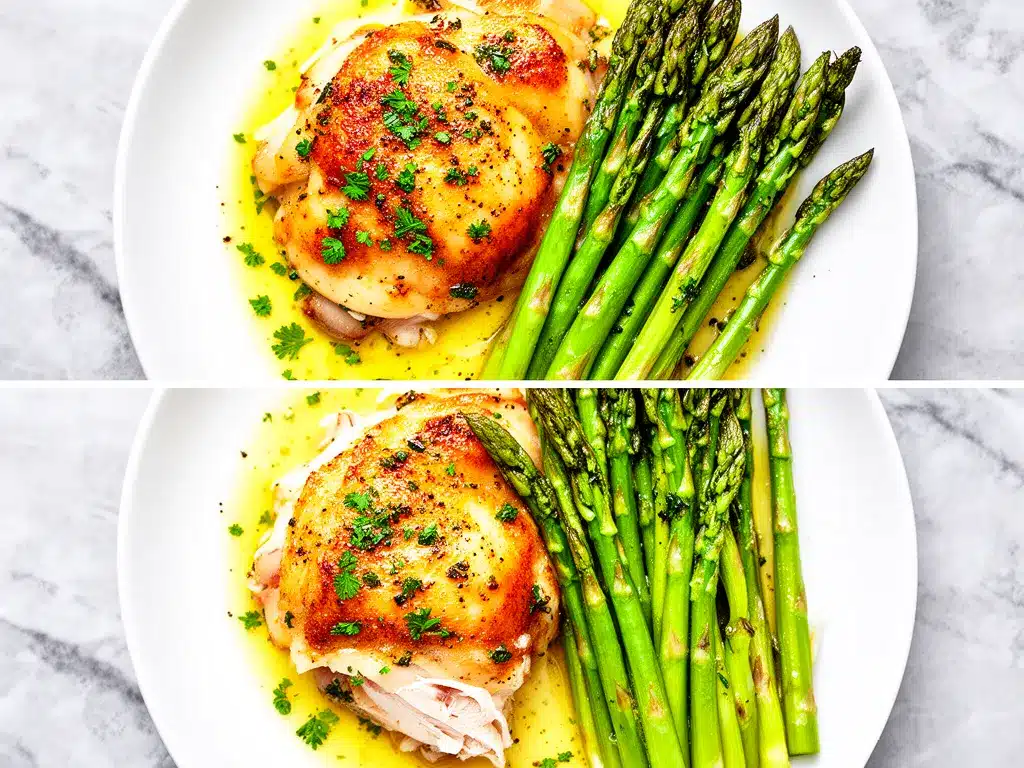
Butter (3 tablespoons / 45g) — Unsalted butter is best so you can control the saltiness. I use European-style butter if I have it—it’s richer and makes a more luxurious sauce. But regular salted butter works fine if you reduce the added salt slightly.
Lemon (2 lemons) — You need both the juice and the zest. One lemon for the juice (about ¼ cup / 60ml) and one for the zest. Fresh lemon juice is non-negotiable here. Bottled lemon juice tastes flat and bitter in this context. Zest adds that bright, aromatic top note.
Chicken broth (½ cup / 120ml) — Low-sodium is key here because the sauce reduces and concentrates the flavor. If you use high-sodium broth, your dish might be too salty. Vegetable broth works if you’re avoiding chicken.
The Star Vegetable
Asparagus (1 pound / 450g) — Look for spears that are firm and green, not wilted or yellow. If they’re thick, peel the bottom inch with a vegetable peeler so they’re tender. If they’re thin, just snap off the woody ends. Fresh asparagus is best, but frozen works in a pinch (just thaw and pat dry).
Red pepper flakes (½ teaspoon, optional) — A little heat cuts through the richness of the butter and lemon. I add this if I’m craving something with a kick. If you’re sensitive to spice, skip it or use just a pinch.
Optional Add-ins
Fresh parsley (2 tablespoons, chopped) — For garnish. It adds color and a fresh finish. Dried parsley doesn’t work here; you need the real deal.
Shaved Parmesan — If you want to make it heartier, add some shaved Parmesan on top. It melts into the sauce and adds a savory depth. My husband loves this version.
Shopping Tips
- Butter: I buy the 4-pack of unsalted butter sticks. It lasts forever in the fridge.
- Lemons: Buy lemons that feel heavy for their size. That means more juice inside.
- Asparagus: If the tips are closed and tight, they’re fresh. If they’re floppy, skip them.
Equipment Needed
You don’t need fancy equipment for this. Here’s what I actually use.
Large skillet or cast iron pan — I use a 12-inch stainless steel skillet. It needs to be big enough to fit the chicken in a single layer without overcrowding. Overcrowding steams the chicken instead of searing it. Cast iron works great too if you like the even heating.
Sharp knife — For chopping garlic and trimming asparagus. Dull knives are dangerous and frustrating. I keep a good chef’s knife on my counter.
Tongs — For flipping the chicken and tossing the asparagus. I prefer tongs over a spatula because they’re easier to maneuver in a wide skillet.
Measuring cups and spoons — Standard stuff. I use a ¼ cup for the lemon juice and a ½ cup for the broth.
Zester or microplane — For the lemon zest. A regular grater works, but a microplane gives you finer zest that distributes better in the sauce.
Wooden spoon or silicone spatula — For stirring the sauce. I like wooden spoons because they don’t scratch my pans.
Cutting board — Any size works. I use a medium-sized plastic board for easy cleanup.
Colander — If you’re washing the asparagus, you’ll need this. Or just rinse it under the tap.
Small bowl — For mixing the lemon juice and zest before adding to the pan. Keeps things organized.
How to Make It: Step-by-Step
Alright, let’s make this! I’m walking you through exactly how I do it, including the little tricks I’ve picked up over the years. This is straightforward, but there are a few key moments where technique matters.
Step 1: Prep Your Ingredients (5-8 minutes)
Before you turn on the stove, get everything ready. This is called mise en place, and it makes cooking so much less stressful. Trim the woody ends off the asparagus. I usually snap them in half—the spear naturally breaks where the tender part starts. Mince the garlic. Zest one lemon into a small bowl, then juice both lemons into that same bowl. Season the chicken breasts with salt, pepper, and Italian seasoning on both sides. Pat them dry with a paper towel one last time. Trust me, dry chicken = better sear.
Step 2: Sear the Chicken (6-8 minutes)
Heat your large skillet over medium-high heat. Add 1 tablespoon of olive oil (or a splash of butter if you prefer). Once the oil is shimmering but not smoking, add the chicken breasts. Don’t crowd the pan—if your skillet is small, cook in two batches. Sear for 5-6 minutes on the first side without moving them. You want a nice golden crust. Flip the chicken and cook for another 4-5 minutes on the other side, until the internal temperature reaches 165°F (74°C). Remove the chicken to a plate and tent it with foil. It will rest while you make the sauce.
Step 3: Sauté the Asparagus (3-4 minutes)
Reduce the heat to medium. Add another tablespoon of butter to the same skillet. Once it’s melted and foaming, add the asparagus spears. Season with a pinch of salt. Cook for 3-4 minutes, turning occasionally, until the asparagus is tender-crisp. It should be bright green and slightly charred in spots. Remove the asparagus to the same plate as the chicken. Don’t clean the pan—that leftover flavor is gold.
Step 4: Make the Lemon Herb Butter Sauce (2-3 minutes)
In the same skillet, reduce heat to medium-low. Add the minced garlic and red pepper flakes (if using). Stir constantly for 30 seconds until fragrant. Don’t let the garlic brown—it’ll turn bitter. Pour in the chicken broth and lemon juice mixture. Scrape up any browned bits from the bottom of the pan with a wooden spoon. Those bits are flavor. Let the sauce simmer for 2 minutes until it reduces slightly and thickens a bit.
Step 5: Finish the Sauce (1-2 minutes)
Remove the skillet from the heat. This is crucial. Add the remaining 1 tablespoon of cold butter to the sauce. Whisk it in until it melts and the sauce is glossy and smooth. The sauce should coat the back of a spoon. If it’s too thin, let it simmer for another minute off the heat (it’ll thicken as it cools slightly). Taste and adjust salt if needed.
Step 6: Combine and Serve (1 minute)
Return the chicken and asparagus to the skillet. Spoon the sauce over everything. Let it sit for 1 minute so the chicken absorbs some of the sauce. Slice the chicken into strips or serve whole. Garnish with fresh chopped parsley and extra lemon zest if you want. Serve immediately with crusty bread or over rice if you’re hungry.
Total Time: About 30 minutes (10 minutes active, 20 minutes mostly hands-off)
Expert Tips & Tricks
Here’s everything I’ve learned from making this dozens of times. These tips will save you from my mistakes.
Don’t Skip the Dry Pat
Moisture is the enemy of browning. If your chicken is wet, it steams. Pat it dry with paper towels before seasoning. This small step makes a huge difference in texture.
Don’t Overcrowd the Pan
If your chicken breasts are large, cook them in batches. Overcrowding lowers the pan temperature and prevents searing. You want that golden crust, not gray, steamed chicken.
Use Cold Butter for the Sauce
Adding cold butter at the end (called monter au beurre) creates a silky, emulsified sauce. It prevents the sauce from breaking or looking oily. It’s a restaurant trick that’s easy to do at home.
Reserve the Pasta Water (If Serving Over Pasta)
If you’re serving this over pasta, save a cup of the starchy pasta water. Add a splash to the sauce if it’s too thick. It helps the sauce cling to the noodles.
Check the Asparagus Freshness
If the asparagus is limp or the tips are open, it’s old. Buy fresh, firm spears. If you can’t find fresh, frozen works, but thaw and dry it thoroughly first.
Common Mistakes (and how to avoid them)
- Mistake: Chicken is dry — Fix: Don’t overcook it. Use a meat thermometer. Remove at 165°F. It’ll continue cooking slightly as it rests.
- Mistake: Sauce is too thin — Fix: Let it simmer longer off the heat. The starch from the broth will thicken it.
- Mistake: Garlic is burnt — Fix: Lower the heat. Garlic burns quickly. Stir constantly.
Pro Tricks I’ve Learned
- For Extra Flavor — Add a splash of white wine with the broth. It adds acidity and depth. I use a dry Sauvignon Blanc.
- For Better Texture — Let the chicken rest for 5 minutes before slicing. This keeps the juices inside.
- For Meal Prep — Make the sauce ahead and store in the fridge. Reheat gently and toss with freshly cooked chicken and asparagus.
Variations & Substitutions
Once you’ve nailed the basic version, here’s how you can mix it up. I’ve tried all of these.
Protein Swaps
Shrimp — Use 1 pound of large shrimp. Cook for 2-3 minutes per side. Remove and set aside. Make the sauce, return shrimp at the end. Cooks faster than chicken.
Salmon — Use 4 salmon fillets. Sear skin-side down for 4 minutes, flip for 2. Remove. Make sauce. Return salmon to coat. Elegant and quick.
Tofu — Use extra-firm tofu, pressed and cubed. Sear until golden. Remove. Make sauce. Return tofu. Vegan-friendly if you use olive oil instead of butter.
Veggie Add-ins
Cherry Tomatoes — Add 1 cup halved cherry tomatoes with the asparagus. They burst and add sweetness.
Mushrooms — Sauté 8oz sliced mushrooms with the asparagus. Earthy and rich.
Spinach — Toss in 2 cups fresh spinach in the last minute of cooking. It wilts instantly.
Dietary Modifications
Gluten-Free — This recipe is naturally gluten-free. Just check your broth and seasoning blends.
Dairy-Free — Replace butter with olive oil or dairy-free butter. Use vegetable broth. The sauce will be lighter but still tasty.
Low-Carb — Serve over cauliflower rice or zucchini noodles instead of pasta. This recipe is already low-carb-friendly.
Flavor Variations
Cajun Style — Swap Italian seasoning for Cajun seasoning. Add 1 teaspoon smoked paprika. Spicy and smoky.
Garlic Lover’s — Double the garlic. Use 8 cloves. It’s intense but delicious.
Herb Garden — Use fresh herbs instead of dried. Add 2 tablespoons fresh thyme and 1 tablespoon fresh rosemary with the garlic.
Serving & Storage
I usually serve this straight from the skillet at the dinner table—it looks rustic and stays warm. But here are other ways I’ve enjoyed it.
Side Dishes
- Crusty French bread (to soak up the sauce)
- Cauliflower rice (for low-carb)
- Quinoa or brown rice (for extra fiber)
- Simple green salad with lemon vinaigrette
- Roasted potatoes (if you want a heartier meal)
Toppings Bar
When I have guests, I put out: extra lemon wedges, fresh parsley, red pepper flakes, shaved Parmesan, and flaky sea salt. Everyone customizes their bowl.
Wine Pairing
Not a wine expert, but my wine-snob friend says Pinot Grigio or a dry Sauvignon Blanc works great with this. The acidity cuts through the butter.
Storage Instructions
Refrigerator: Store in an airtight container for up to 3 days. The sauce will thicken in the fridge—totally normal.
Reheating: Best method: Add to a skillet with a splash of chicken broth or water over low heat. Stir until heated through. Microwave works in a pinch, but add a splash of liquid first to prevent drying out.
Freezing: Honestly, this doesn’t freeze well because of the dairy. The sauce separates when thawed. Make it fresh or store in the fridge for up to 3 days.
Meal Prep
Make the sauce ahead and store in the fridge. Cook chicken and asparagus fresh each night. Takes 10 minutes and tastes way better than fully reheated leftovers.
Nutrition Information
I’m not a nutritionist, but here’s the breakdown if you’re tracking.
| Per Serving (based on 4 servings) | Amount |
|---|---|
| Calories | 320 |
| Protein | 35g |
| Carbs | 8g |
| Fiber | 3g |
| Sugar | 3g |
| Fat | 16g |
| Saturated Fat | 7g |
| Cholesterol | 95mg |
| Sodium | 450mg |
| Calcium | 60mg |
What’s Good: High protein from chicken, low carb, good fiber from asparagus.
What to Know: Higher in calories from butter. Contains dairy. Moderate sodium (use low-sodium broth to reduce).
My Take: Look, this is a balanced meal with lean protein and veggies. It’s not a diet recipe, but it’s way better than takeout. When I want to make it lighter, I use less butter and more broth. But usually? I just enjoy a reasonable portion and feel satisfied.
Final Thoughts
So that’s my go-to one pan lemon herb butter chicken and asparagus! I’ve probably talked your ear off at this point, but when you make a recipe this often, you have a lot to say about it.
This has saved weeknight dinners more times than I can count. It’s my answer to “what’s for dinner” when I’m tired, don’t want takeout, and still want something that tastes really good. My kids are happy, my husband’s happy, and I’m happy because I’m not stressed about cooking.
Make it yours! Try different add-ins, swap in your favorite vegetables, adjust the garlic (though more is always better in my opinion). The best recipes are the ones you adapt to your family’s tastes.
If you make this, drop a comment and let me know what you think! I love hearing how recipes turn out in your kitchen. And if something doesn’t work, tell me that too—I’m here to help troubleshoot.
Happy cooking! And I hope your kitchen smells half as good as mine does right now.
Frequently Asked Questions
Can I use frozen asparagus?
Yes, but you need to thaw it completely and pat it very dry. Frozen asparagus releases a lot of water, which can make the sauce watery. If you use frozen, add it to the pan earlier and cook it longer to evaporate the excess moisture. Fresh is always better, but frozen works in a pinch.
Why did my sauce break or look oily?
This usually happens if the heat was too high when you added the butter, or if you didn’t whisk it in properly. Always remove the pan from the heat before adding the final butter, and whisk vigorously. If it’s already broken, try whisking in a splash of cold water or ice cube—it can sometimes re-emulsify the sauce.
Can I make this ahead for a dinner party?
Sort of. Make the sauce up to 2 days ahead and store in the fridge. Cook the chicken and asparagus fresh right before serving (takes 10-15 minutes). Reheat the sauce gently and toss with the hot protein and veggies. It won’t be quite as good as fresh, but it’s close and saves you stress during the party. I do this all the time for small gatherings.
Why did my chicken turn out dry?
Overcooking is the main culprit. Chicken breasts cook quickly, and they continue cooking after you remove them from the pan. Use a meat thermometer and remove the chicken at 165°F (74°C). Let it rest for 5 minutes before slicing. This keeps the juices inside. If you don’t have a thermometer, cut into the thickest part—if it’s clear, not pink, it’s done.
Can I use chicken thighs instead of breasts?
Absolutely! Chicken thighs are actually more forgiving and stay juicier. They take about the same amount of time to cook, but you might need an extra minute or two on each side. The flavor is richer, which pairs well with the lemon and herbs. I prefer thighs when I have them.
How do I reheat leftovers without it getting dry?
Add a splash of chicken broth or water to a skillet, add your leftover chicken and asparagus, and heat gently over low heat, stirring frequently. The extra liquid brings back the creamy texture. Microwave sort of works but tends to dry it out. If you do microwave, definitely add a splash of liquid first and heat in short bursts, stirring between.
Can I double this recipe?
Yes, but you’ll need a larger skillet or cook in two batches. Don’t overcrowd the pan, or the chicken will steam instead of sear. The cooking times stay the same. I do this when I’m meal-prepping or feeding a crowd. Just make sure your skillet is big enough for the sauce—you might need to use two pans or a very large skillet.
Pin This Recipe!
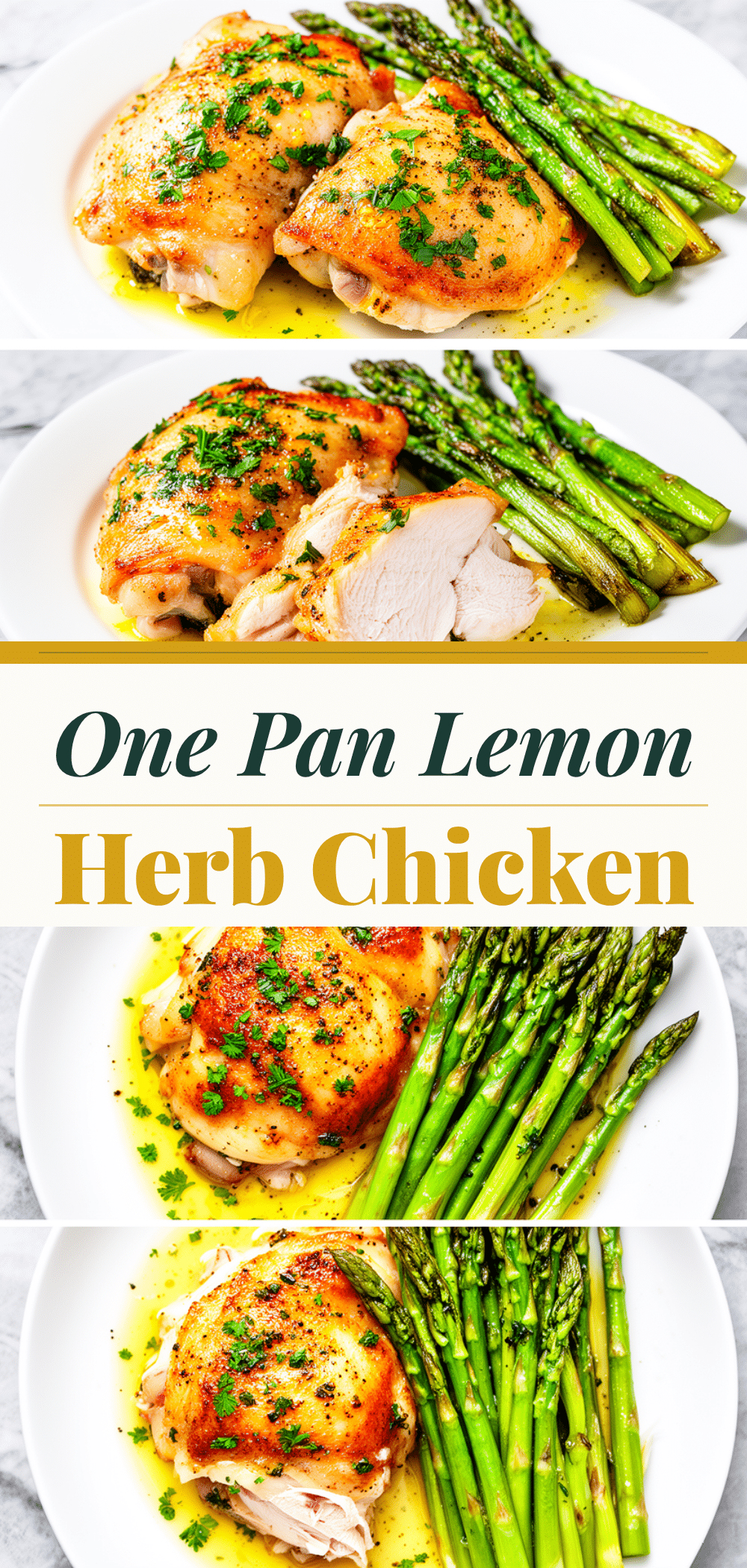
One Pan Lemon Herb Butter Chicken
- Total Time: 30 minutes
- Yield: 4 servings 1x
Description
A quick, 30-minute weeknight dinner featuring juicy chicken breasts and crisp asparagus in a bright, garlicky lemon-herb butter sauce, all cooked in a single skillet for easy cleanup.
Ingredients
- 1.5 pounds boneless, skinless chicken breasts
- 1 tablespoon Italian seasoning
- 4 cloves garlic, minced
- 1 teaspoon kosher salt (for chicken)
- 0.5 teaspoon black pepper (for chicken)
- 3 tablespoons unsalted butter (divided)
- 2 lemons (1 for zest, 1 for juice)
- 0.5 cup low-sodium chicken broth
- 1 pound asparagus, woody ends trimmed
- 0.5 teaspoon red pepper flakes (optional)
- 2 tablespoons fresh parsley, chopped (for garnish)
- 1 tablespoon olive oil (for searing)
Instructions
- Prep ingredients: Trim asparagus, mince garlic, zest one lemon, and juice both lemons. Season chicken with salt, pepper, and Italian seasoning, then pat dry.
- Sear chicken: Heat olive oil in a large skillet over medium-high heat. Sear chicken for 5-6 minutes per side until golden and internal temperature reaches 165°F. Remove to a plate and tent with foil.
- Sauté asparagus: Reduce heat to medium. Add 1 tablespoon butter to the skillet. Cook asparagus for 3-4 minutes until tender-crisp. Remove to the plate with the chicken.
- Make sauce: Reduce heat to medium-low. Add remaining garlic and red pepper flakes, stirring for 30 seconds. Add chicken broth and lemon juice, scraping up browned bits. Simmer for 2 minutes.
- Finish sauce: Remove skillet from heat. Whisk in the remaining 1 tablespoon of cold butter until the sauce is glossy and smooth.
- Combine and serve: Return chicken and asparagus to the skillet. Spoon sauce over everything, let sit for 1 minute, then garnish with parsley and serve.
Notes
Pat chicken dry before searing for better browning. Use cold butter at the end to create a silky emulsion. Do not overcrowd the pan. Chicken thighs can be substituted for breasts. This recipe is naturally gluten-free but check broth labels.
- Prep Time: 10 minutes
- Cook Time: 20 minutes
- Category: Main Course
- Cuisine: American
Nutrition
- Serving Size: 1 chicken breast and
- Calories: 320
- Sugar: 3
- Sodium: 450
- Fat: 16
- Saturated Fat: 7
- Carbohydrates: 8
- Fiber: 3
- Protein: 35
Keywords: one pan dinner, lemon herb chicken, weeknight dinner, easy chicken recipe, asparagus recipe, healthy dinner, gluten-free


