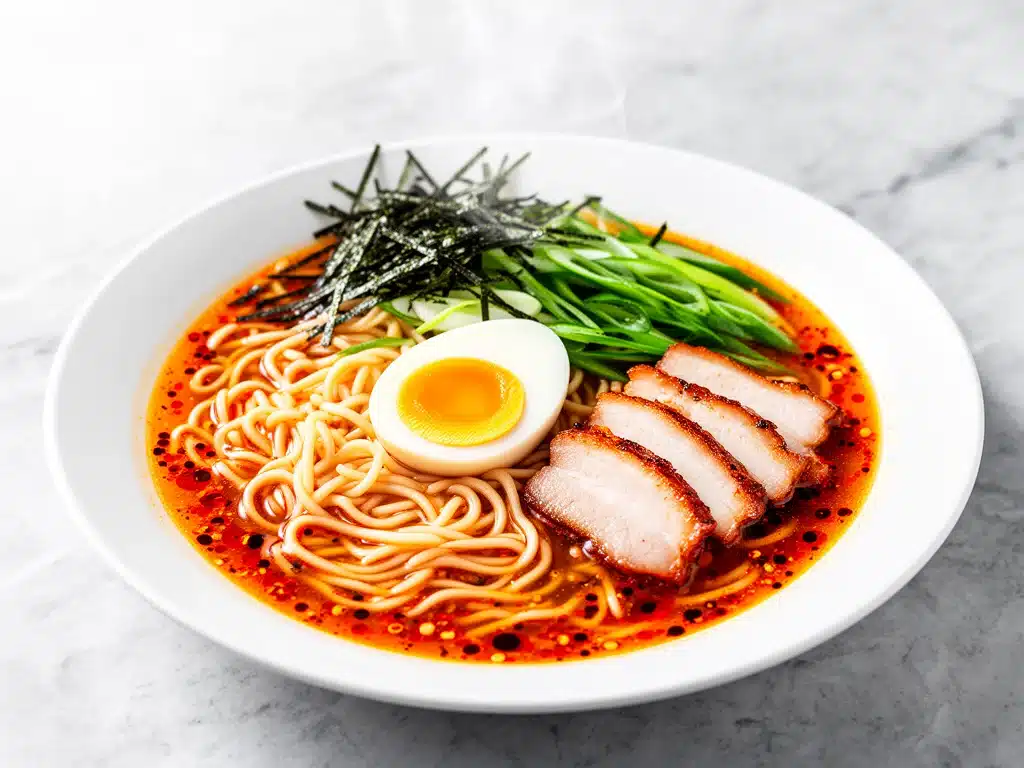
It was 11:30 PM on a Tuesday, the kind of night where the fridge light is the only thing illuminating my kitchen. I had just come home from a long shift, my feet were throbbing, and the last thing I wanted to do was cook. But I also didn’t want another sad, cold leftover or that expensive, greasy takeout container that always ends up in the landfill.
I opened the pantry, half-expecting to find only dust and despair. Instead, I saw a pack of instant ramen noodles, a jar of gochujang paste I’d bought six months ago and never used, and three eggs. I figured, why not? I threw together what I thought would be a mediocre, quick fix. I stirred in some heavy cream (yes, heavy cream, don’t judge me yet), a spoonful of that spicy paste, and cracked an egg into the boiling broth.
Fifteen minutes later, I was sitting at my counter, slurping the most incredible, comforting, deeply flavorful bowl of soup I’d had in years. It was creamy, it was spicy, it was warm, and it made me forget about my bad day. That night, I accidentally doubled the garlic because I was distracted by how good it smelled, and it turned out even better. Now, I make this creamy spicy ramen with soft-boiled egg almost every week. It’s not just dinner; it’s a hug in a bowl.
Here’s the thing about takeout ramen. It’s good, sure. But it’s often just salty water with noodles. This version? It’s rich, complex, and actually nourishing. I’ve tested this recipe about a dozen times, tweaking the spice levels and the cream ratios, until I landed on the perfect balance. It’s faster than delivery, cheaper than a restaurant, and honestly? It tastes better.
Why You’ll Love This Creamy Spicy Ramen Recipe
This recipe has completely changed my late-night routine. I used to dread those nights when I was too tired to cook but too hungry to sleep. Now, I have a go-to that takes less time than it takes to scroll through delivery apps. Here’s why this creamy spicy ramen with soft-boiled egg has earned a permanent spot in my weekly rotation:
- Stupid Simple — Seriously, if you can boil water and stir a spoon, you can make this. I’ve made this while watching TV, while folding laundry, and while trying to answer emails. It doesn’t require any fancy techniques or precise timing (except for the egg, which I’ll walk you through).
- Lightning Fast — 15 minutes from start to finish. I know, I said 15, but honestly, if you prep your toppings while the water boils, you’re done in 12. It’s the ultimate weeknight savior when you’re running on fumes.
- Pantry-Friendly — You probably have 80% of these ingredients already. Instant ramen packets are cheap and everywhere. Gochujang is in most Asian markets now, and eggs and cream are staples. I keep gochujang stocked specifically so I can make this on a whim.
- Crowd-Pleaser — I’ve served this to my spice-averse friend and my husband who loves heat. By adjusting the amount of gochujang and cream, you can tailor it to anyone. Everyone asks for the recipe, usually within five minutes of the first bite.
- Makes Amazing Leftovers — Okay, full disclosure: this is best fresh. The noodles soak up the broth, so it thickens up overnight. But if you do have leftovers, they reheat beautifully in the microwave with a splash of water. It’s still delicious the next day, just a bit heartier.
- Budget-Smart — Feeds 2-3 people for under $10. That’s less than the tip on a delivery order. I make this when I need to stretch my grocery budget without sacrificing flavor or satisfaction.
This is my go-to when I need dinner to just work. No complicated techniques, no weird ingredients, just reliable, delicious food that makes everyone happy. It’s comfort food, elevated.
Ingredients You’ll Need
Here’s the best part: you probably have most of this already. This isn’t a recipe that requires a trip to three different specialty stores. I’m particular about three ingredients here, and I’ll tell you exactly why.
For the Broth & Base
Instant Ramen Noodles (2 packages / 200g) — I use the standard brick-style noodles, not the cup ones. Shin Ramyun or any spicy Korean variety works great, but even plain chicken flavor works if you add enough spice. I skip the flavor packet entirely because it’s mostly salt and MSG, and I want to control the flavor myself.
Heavy Cream (½ cup / 120ml) — This is the secret to that luxurious, restaurant-quality texture. It cuts the heat of the chili paste and adds a velvety mouthfeel. You can use half-and-half if you want it lighter, but it won’t be as rich. Trust me on this.
Chicken Broth (2 cups / 480ml) — I use low-sodium so I can control the salt level. Vegetable broth works for a vegetarian version. Avoid the stuff in the carton that tastes like cardboard; get something with a bit of body.
Garlic (4 cloves, minced / about 2 tablespoons) — Yes, four cloves. Don’t skimp. Fresh only—no jarred garlic in this recipe. The flavor is just too sharp and artificial. Mince it finely so it melts into the broth.
Ginger (1 tablespoon, freshly grated) — Fresh ginger adds a warm, zesty bite that balances the richness of the cream. Grate it on a microplane for the best texture. If you don’t have fresh, ½ teaspoon of ground ginger works, but it’s not the same.
For the Spice & Flavor
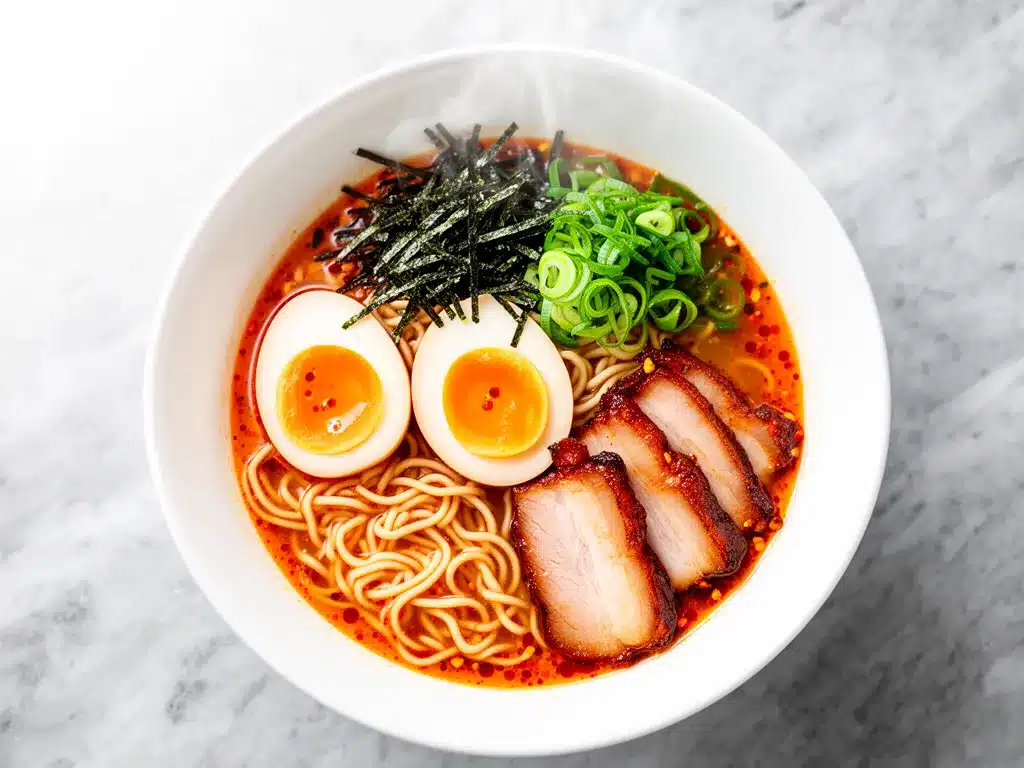
Gochujang Paste (2 tablespoons) — This is fermented Korean chili paste. It’s sweet, spicy, and umami-packed. It’s the heart of this recipe. Look for it in the Asian aisle of most supermarkets. If you can’t find it, gochugaru (chili flakes) mixed with a little soy sauce and sugar is a backup, but the paste is best.
Soy Sauce (1 tablespoon) — Adds depth and saltiness. I use regular Kikkoman, but tamari works for gluten-free.
sesame Oil (1 teaspoon) — Toasted sesame oil adds that nutty aroma that screams “ramen.” Don’t use the raw sesame oil; it doesn’t have the same punch.
White Pepper (½ teaspoon) — This is optional, but it adds a subtle, earthy heat that complements the gochujang. Black pepper works too, but white pepper is more traditional.
For the Toppings
Eggs (2 large) — For the soft-boiled egg. I’ll explain the timing in a second.
Green Onions (2 stalks, sliced thinly) — For garnish. They add a fresh, oniony crunch that cuts through the cream.
Sesame Seeds (1 teaspoon, toasted) — For garnish and texture. Toast them in a dry pan for 2 minutes until fragrant.
Optional Add-ins — I love adding sliced mushrooms (shiitake or cremini), spinach, or leftover rotisserie chicken. These are great for adding volume and nutrition. I throw in whatever I have in the fridge.
Equipment Needed
You don’t need fancy equipment for this. Here’s what I actually use.
Saucepan or Small Dutch Oven — I use a 3-quart saucepan. It needs to be wide enough to cook the noodles evenly but deep enough to hold the broth. My old stainless steel pot works fine.
Medium Pot for Eggs — You can use the same pot if you’re clever, but I usually boil the eggs in a separate small pot while the broth simmers. It saves time.
Sharp Knife & Cutting Board — For mincing garlic, grating ginger, and slicing green onions. Dull knives make you cry more—learned this the hard way.
Measuring Spoons — Pretty standard stuff. Dollar store versions work fine.
Slotted Spoon — For removing the eggs from the water. Or just use a regular spoon with a careful hand.
Timer — Your phone works. Timing the egg is crucial, so don’t wing it.
Optional but nice: A small whisk — For mixing the gochujang into the cream smoothly. Or just use a spoon.
How to Make It: Step-by-Step
Alright, let’s make this! I’m walking you through exactly how I do it, including the little tricks I’ve picked up. This creamy spicy ramen with soft-boiled egg is easier than it looks.
Step 1: Prep Your Ingredients (5 minutes)
Before you start cooking, mince your garlic, grate your ginger, and slice your green onions. I know it seems fussy, but it makes the actual cooking way less stressful. Once you start cooking, things move fast. Set out your gochujang, soy sauce, and cream.
Step 2: Boil the Soft-Boiled Eggs (6 minutes)
Bring a small pot of water to a rolling boil. Gently lower the eggs into the water using a slotted spoon. Set your timer for exactly 6.5 minutes. This gives you a set white and a jammy, runny yolk. While the eggs cook, you can start your broth. If you’re short on time, you can hard-boil them in advance and peel them, but the jammy yolk is the best part.
Step 3: Start the Broth (3 minutes)
In your saucepan, combine the chicken broth, minced garlic, and grated ginger. Bring it to a simmer over medium heat. Let it bubble gently for 2 minutes to infuse the flavors. The kitchen should start smelling like a Korean restaurant. If you’re adding mushrooms, add them now so they have time to cook.
Step 4: Make it Creamy & Spicy (2 minutes)
Reduce the heat to low. Stir in the heavy cream, gochujang paste, soy sauce, and white pepper. Whisk vigorously until the gochujang is completely dissolved and the broth is a uniform, vibrant red-orange color. Taste it. Does it need more spice? Add another teaspoon of gochujang. Does it need more salt? A splash more soy sauce. This is your chance to customize.
Step 5: Cook the Noodles (3 minutes)
Turn the heat up to medium-high. Break the ramen blocks in half (or leave them whole if you prefer long noodles) and drop them into the simmering broth. Cook according to the package directions, usually 3-4 minutes. Stir occasionally to prevent sticking. The noodles will absorb some of the broth, so it will thicken slightly.
Step 6: Peel & Assemble (2 minutes)
When the eggs are done, transfer them to a bowl of ice water (or just cold tap water) to stop the cooking. This makes them easier to peel. Peel the eggs carefully—they should be slippery but intact. Slice them in half lengthwise.
Divide the noodles and broth between two bowls. Place the halved eggs on top, yolk side up. Garnish with sliced green onions and toasted sesame seeds. Drizzle with a tiny bit of sesame oil right before serving for that final aromatic punch.
Total Time: About 15 minutes (5 minutes active, 10 minutes mostly hands-off)
Troubleshooting: If the broth is too thick, add a splash of water or extra broth. If it’s too thin, let it simmer for another minute. The noodles will continue to absorb liquid, so it’s okay if it looks a bit loose in the pot.
Expert Tips & Tricks
Here’s everything I’ve learned from making this dozens of times. These tips will save you from my mistakes.
The Egg Timing is Key
6.5 minutes is the sweet spot for a jammy yolk. If you like it more set, go for 7 minutes. If you like it runnier, 6 minutes. I’ve burned my fingers and cracked shells trying to get this right, but the ice bath is the secret. It stops the cooking instantly and makes peeling a breeze.
Don’t Skip the Ginger
It’s easy to forget ginger, but it adds a brightness that cuts through the heavy cream. Without it, the soup can taste flat. Fresh is best, but grated ginger from a tube works in a pinch.
Customize the Spice
Gochujang varies in heat depending on the brand. Start with 1 tablespoon and add more to taste. If you’re sensitive to spice, mix the gochujang with a little extra cream first to dilute it. If you love heat, add a dash of chili oil or sriracha at the end.
Toast Your Sesame Seeds
This is a small step that makes a huge difference. Toasting releases the oils and adds a nutty flavor. Just throw them in a dry pan over medium heat for 2 minutes, shaking constantly. They’ll turn golden and smell amazing. Don’t walk away—they burn fast.
Use Good Noodles
Not all instant ramen is created equal. Shin Ramyun is spicy and flavorful. Chicken flavor is mild and versatile. Avoid the ones with too much seasoning packet if you’re adding your own flavors. I usually toss the packet and rely on my broth.
Variations & Substitutions
Once you’ve nailed the basic version, here’s how you can mix it up. I’ve tried all of these.
Chicken Version
Add 1 cup of shredded rotisserie chicken or diced cooked chicken breast when you add the noodles. It makes the ramen more filling and adds protein. This is my husband’s favorite version.
Veggie-Loaded
Toss in 2 cups of fresh spinach or bok choy in the last minute of cooking. The greens wilt right into the broth. This is how I get my kids to eat vegetables without complaining. I also love adding sliced mushrooms or corn kernels.
Pork Belly
Top the ramen with crispy fried pork belly (bokkeum) or even just crispy bacon bits. The salty, fatty crunch contrasts beautifully with the creamy broth. This feels like a treat.
Lighter Version
Use half-and-half or whole milk instead of heavy cream. It’s thinner but still good. I make this when I’m trying to be “healthy,” though let’s be real, it’s still comfort food.
Dairy-Free
Replace heavy cream with full-fat coconut milk. It adds a slight coconut flavor, but it works surprisingly well with the gochujang. Use coconut aminos instead of soy sauce for a gluten-free option.
Shrimp Ramen
Add 1 pound of shrimp in the last 2 minutes of cooking. They cook so fast. This is great for a quick seafood twist.
Serving & Storage
I usually serve this straight from the pot to the table—it’s rustic and stays warm. But here are other ways I’ve enjoyed it:
Side Dishes
- Crispy edamame
- Simple cucumber salad with rice vinegar
- Garlic bread (obviously)
- Kimchi (for extra tang and probiotics)
Storage Instructions
Refrigerator: Store leftovers in an airtight container for up to 2 days. The noodles will continue to absorb the broth, so it will thicken significantly. Reheat gently with a splash of water or broth to loosen it up.
Reheating: Best method: Microwave in 30-second intervals, stirring between, adding a splash of water each time. Or reheat in a saucepan over low heat. Never microwave it without adding liquid—it will turn into a brick.
Freezing: I don’t recommend freezing this. The noodles become mushy, and the dairy can separate. It’s best made fresh.
Meal Prep: You can prep the broth and toppings ahead. Store the broth in the fridge and reheat it. Cook the noodles fresh each time for the best texture. The eggs can be boiled and peeled ahead, too.
Nutrition Information
I’m not a nutritionist, but here’s the breakdown if you’re tracking. This is per serving (based on 2 servings).
- Calories: 450
- Protein: 18g
- Carbs: 52g
- Fiber: 2g
- Sugar: 4g
- Fat: 18g
- Sodium: 900mg (varies by ramen brand)
What’s Good: Decent protein from the egg and broth. The vegetables add fiber and vitamins.
What to Know: Higher in sodium due to the ramen and soy sauce. Use low-sodium broth and skip the seasoning packet to reduce this. It’s a treat meal, not a daily diet staple.
My Take: Look, this is comfort food with cream and cheese. It’s not a diet recipe. But it’s way better than takeout, costs less, and I know exactly what’s in it. When I want to make it lighter, I use more veggies and less cream. But usually? I just enjoy it.
Final Thoughts
So that’s my go-to creamy spicy ramen with soft-boiled egg! I’ve probably talked your ear off at this point, but when you make a recipe this often, you have a lot to say about it. This has saved me from takeout more times than I can count. It’s my answer to “what’s for dinner” when I’m tired, don’t want to order out, and still want something that tastes really good. My family is happy, and I’m happy because I’m not stressed about cooking.
Make it yours! Try different add-ins, swap in your favorite vegetables, adjust the garlic (though more is always better in my opinion). The best recipes are the ones you adapt to your family’s tastes.
If you make this, drop a comment and let me know what you think! I love hearing how recipes turn out in your kitchen. And if something doesn’t work, tell me that too—I’m here to help troubleshoot.
Happy cooking! And I hope your kitchen smells half as good as mine does right now.
Frequently Asked Questions
Can I use milk instead of heavy cream?
You can, but the sauce will be much thinner and less rich. If you want to try it, use whole milk (not skim) and maybe add a tablespoon of flour to thicken it. Whisk the flour into the milk before adding to the pan. I’ve done this when I ran out of cream—it works okay, just not as good as the real thing. Half-and-half is a better middle ground.
Why did my sauce get grainy?
Ramen broth doesn’t usually get grainy like cheese sauce, but if you’re adding dairy, high heat can cause it to separate. Keep the heat low when adding the cream. If it looks separated, whisk it vigorously or blend it briefly. It’s still safe to eat, just not as pretty.
Can I make this ahead for a dinner party?
Sort of. Make the broth and prep the toppings up to 2 days ahead. Cook the noodles fresh right before serving (takes 3 minutes). Reheat the broth and assemble. It won’t be quite as good as fresh, but it’s close and saves you stress during the party. I do this all the time for guests.
Can I use jarred garlic?
You can, but fresh tastes so much better in this recipe. Jarred garlic has a weird metallic taste that really shows up in cream sauces. If you must use it, use half the amount because it’s stronger. But honestly, mincing 4 cloves takes like 2 minutes. Buy pre-peeled garlic cloves if you want to save time.
How do I reheat leftovers without it getting dry?
Add a splash of water or broth to a bowl, add your leftover ramen, and microwave in short bursts, stirring between. The extra liquid brings back the creamy texture. If you do it on the stove, add the liquid and heat gently, stirring frequently.
Can I double this recipe?
Absolutely! Double everything and use your biggest pot. The cooking times stay the same. I do this when I’m meal-prepping or feeding a crowd. Just make sure your saucepan is big enough for the broth—you might need to use two pans or a very large pot.
Is gochujang the same as chili paste?
No, gochujang is a fermented Korean paste made from chili peppers, glutinous rice, fermented soybeans, and salt. It’s sweet, spicy, and umami. Regular chili paste (like sambal oelek) is just chili and vinegar. You can substitute, but the flavor profile will be different. Gochujang is best for this specific recipe.
Pin This Recipe!
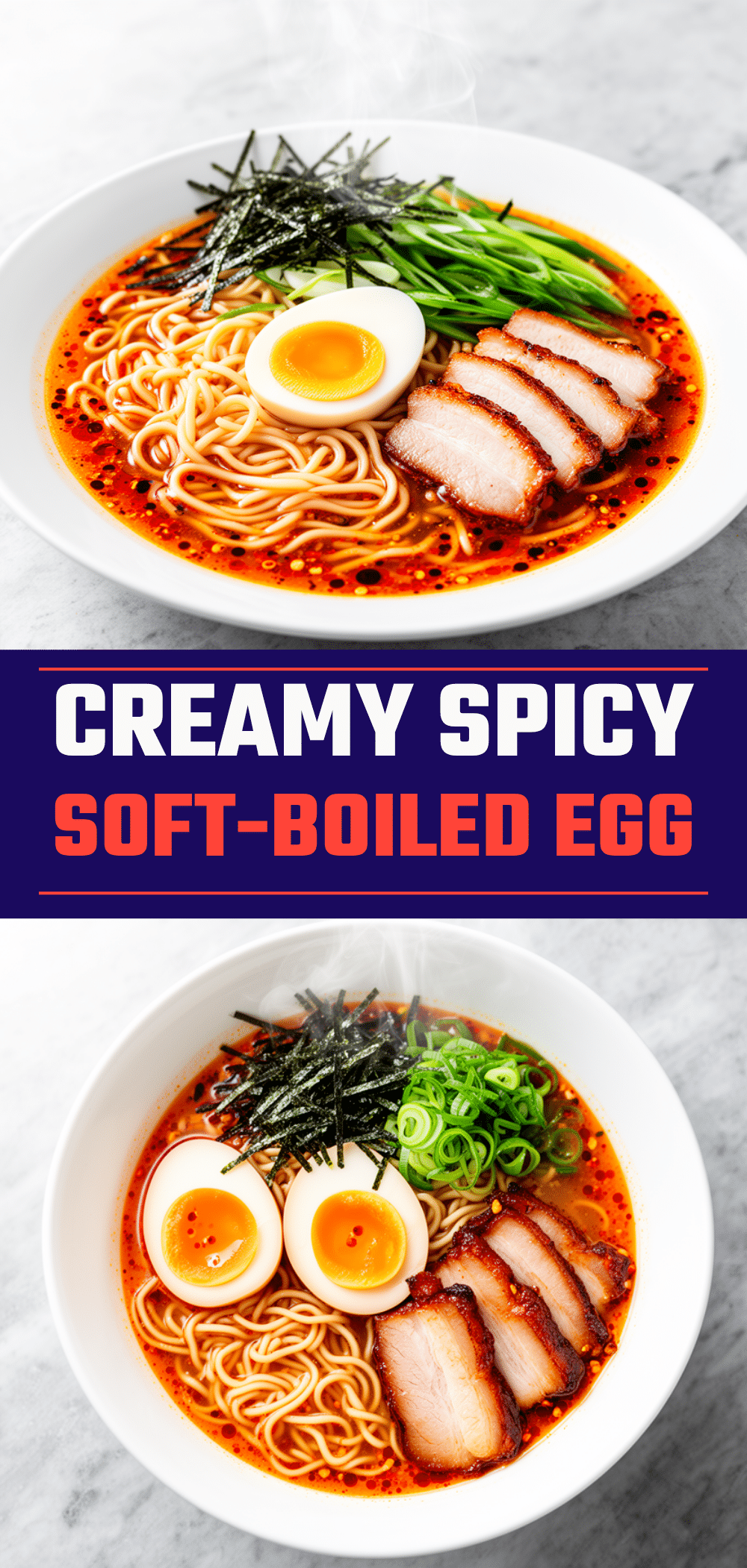
Creamy Spicy Ramen with Soft-Boiled Egg: Best Takeout Style
- Total Time: 15 minutes
- Yield: 2 servings 1x
Description
A quick, comforting, and deeply flavorful late-night dinner that combines instant ramen with a rich, spicy gochujang cream broth and a jammy soft-boiled egg. Faster than takeout and easier than you think.
Ingredients
- 2 packages (200g) instant ramen noodles (brick-style, discard flavor packets)
- 2 cups low-sodium chicken broth (or vegetable broth)
- 1/2 cup (120ml) heavy cream
- 4 cloves garlic, minced
- 1 tablespoon fresh ginger, grated
- 2 tablespoons gochujang paste
- 1 tablespoon soy sauce (or tamari for gluten-free)
- 1 teaspoon toasted sesame oil
- 1/2 teaspoon white pepper
- 2 large eggs
- 2 stalks green onions, sliced thinly
- 1 teaspoon toasted sesame seeds
- Optional: sliced mushrooms, spinach, or cooked chicken
Instructions
- Prep ingredients: Mince garlic, grate ginger, and slice green onions.
- Boil eggs: Bring a small pot of water to a rolling boil. Gently lower eggs in and cook for exactly 6.5 minutes for a jammy yolk. Transfer to an ice bath to stop cooking, then peel and slice in half.
- Start broth: In a saucepan, combine chicken broth, minced garlic, and grated ginger. Simmer over medium heat for 2 minutes to infuse flavors.
- Make creamy/spicy base: Reduce heat to low. Stir in heavy cream, gochujang paste, soy sauce, and white pepper. Whisk until smooth and uniform in color. Taste and adjust spice/salt as needed.
- Cook noodles: Turn heat to medium-high. Add ramen blocks to the simmering broth and cook for 3-4 minutes according to package directions, stirring occasionally.
- Assemble: Divide noodles and broth between two bowls. Top with halved soft-boiled eggs (yolk side up). Garnish with green onions and toasted sesame seeds. Drizzle with sesame oil before serving.
Notes
The egg timing is crucial: 6.5 minutes yields a jammy yolk. Use fresh garlic and ginger for best flavor. If the broth is too thick, add a splash of water. Leftovers thicken significantly; reheat with added liquid. Do not freeze as noodles become mushy.
- Prep Time: 5 minutes
- Cook Time: 10 minutes
- Category: Main Course
- Cuisine: Korean-American
Nutrition
- Serving Size: 1 bowl
- Calories: 450
- Sugar: 4
- Sodium: 900
- Fat: 18
- Saturated Fat: 9
- Carbohydrates: 52
- Fiber: 2
- Protein: 18
Keywords: ramen, spicy ramen, creamy ramen, soft-boiled egg, gochujang, quick dinner, late night snack, comfort food, takeout style


