The first time I really understood what comfort food meant, I wasn’t in a fancy restaurant. I was seven years old, sitting at a scarred oak table in my grandmother’s kitchen in Ohio. It was a Tuesday in November, gray and drizzling outside, the kind of day that makes you crave something warm and substantial. Grandma didn’t make us go out. She didn’t order pizza. Instead, she slid a loaf pan into the oven and told me to set the table.
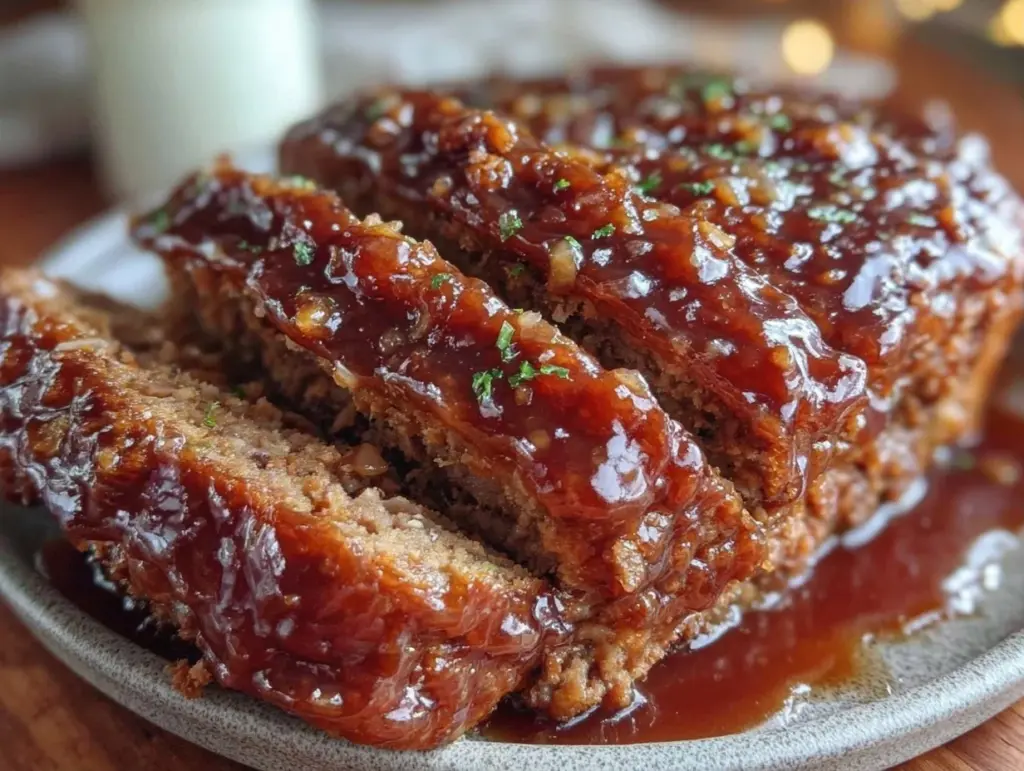
For the next hour, that house smelled like heaven. It wasn’t just meat. It was onions sweating in butter, garlic hitting hot oil, and the sweet, sticky scent of brown sugar caramelizing in the oven. When she finally pulled that loaf out, glistening with a deep mahogany glaze, I didn’t even wait for it to cool. I cut a slice, the knife sliding through without resistance, and took a bite. It was tender. Juicy. Not dry like the loaves I’d seen at grocery stores or read about in old cookbooks. It was just… perfect.
That recipe has been in my family for three generations, but I’ve tweaked it slightly over the years to make it foolproof for modern kitchens. This never-dry classic meatloaf is the result of taking that old tradition and refining the technique so you get that same tender, melt-in-your-mouth texture every single time. It’s not about speed. It’s about patience and getting the ratio of meat to binder just right.
I’ve made this classic meatloaf for Sunday dinners, holiday gatherings, and quiet weeknights when I just need the house to smell good. It’s the kind of dish that feels like a hug. And the best part? It’s surprisingly simple. You don’t need fancy ingredients or complicated techniques. You just need good ground beef, a little milk, some eggs, and that signature brown sugar glaze that makes everyone ask for the recipe.
Why You’ll Love This Recipe
There are a million reasons to make meatloaf, but this version sticks out for specific, practical reasons. It’s not just nostalgia; it’s genuinely the best way to handle ground beef in my kitchen.
It Never Turns Out Dry — I’ve heard the horror stories. Tough, crumbly, gray bricks of meat. This recipe solves that. The secret isn’t a hack; it’s using the right mix of meats and soaking the breadcrumbs in milk first. This method, called a panade, keeps the proteins from tightening up too much during cooking. The result is a loaf that stays moist for days.
The Glaze is Addictive — Most meatloaf recipes just slap ketchup on top. This one uses a blend of ketchup, brown sugar, and a touch of vinegar. It creates a sticky, sweet-and-savory crust that contrasts beautifully with the savory meat. It’s the kind of topping that makes you lick your fingers.
It’s a Meal Prep Hero — Meatloaf tastes incredible warm out of the oven, but it also reheats beautifully. In fact, some people (my husband included) argue it tastes even better the next day, cold or room temperature, sliced on a sandwich. It’s perfect for packing lunches or quick dinners when you’re tired.
It Feeds a Crowd on a Budget — Ground beef is relatively affordable, and this loaf stretches to feed four to six people easily. Pair it with some roasted potatoes or simple green beans, and you have a complete, hearty meal that won’t break the bank. It’s honest food for honest days.
It’s Forgiving — If you don’t have fresh parsley, use dried. If you’re out of Worcestershire sauce, skip it (though I recommend you don’t). The flavors are robust enough that small swaps won’t ruin the dish. It’s a forgiving recipe for when you’re tired or the pantry is a little bare.
This classic meatloaf with brown sugar glaze has become a staple in our house. It’s reliable, delicious, and carries that warm, homey feeling that only a properly made loaf can provide. It’s not just dinner; it’s a memory you can eat.
Ingredients You’ll Need
Here’s the thing about meatloaf: the quality of your ingredients matters more than you think. You’re not hiding flavors behind spices; you’re celebrating the meat. I’m particular about three things here, and I’ll tell you exactly why.
Ground Beef (2 pounds / 900g) — I use 80/20 blend. Yes, it’s fatty. That fat is what keeps the loaf moist. Lean beef will dry out. If you want a slightly lighter version, you can do 85/15, but 80/20 is the gold standard for juiciness. If you want to mix it up, some people use half beef and half ground pork for extra richness.
Ground Pork (½ pound / 225g) — I like to add a little pork to the beef. It adds a subtle sweetness and keeps the texture tender. If you don’t eat pork, just use 2.5 pounds of beef, but the pork really elevates the flavor profile.
Milk (1 cup / 240ml) — Whole milk is best. This is for the breadcrumbs. Soaking the breadcrumbs in milk creates that panade I mentioned earlier. It coats the meat proteins and prevents them from squeezing out all their moisture during cooking. Don’t skip this step.
Breadcrumbs (1 cup / 100g, panko or regular) — I prefer panko for a lighter texture, but regular dried breadcrumbs work fine too. If you’re making this gluten-free, use gluten-free breadcrumbs or crushed crackers. The key is that they need to be dry enough to absorb the milk.
Eggs (2 large) — These act as the binder. They hold everything together so your loaf doesn’t fall apart in the pan. Room temperature eggs mix in more evenly, but cold eggs work in a pinch.
Yellow Onion (1 medium, finely diced / about 150g) — Raw onion can be sharp and crunchy in a loaf. I recommend sautéing it first until soft and sweet, or at least mincing it very finely so you don’t get big chunks. I usually soften mine in a little butter before adding it to the mix.
Garlic (3 cloves, minced / about 1 tablespoon) — Fresh garlic only. Jarred garlic has a metallic taste that doesn’t belong in a classic recipe. Mince it yourself for the best flavor.
Worcestershire Sauce (1 tablespoon) — This adds that deep, umami savory note. It’s the secret weapon. If you don’t have it, you can use soy sauce, but the flavor will be slightly different.
Dijon Mustard (1 teaspoon) — Just a teaspoon. It adds a little tang and complexity without making the loaf taste like mustard. It balances the sweetness of the glaze.
Dried Parsley (1 tablespoon) — Fresh parsley is nice, but dried holds up better in the oven. If you use fresh, add it at the end and use double the amount. Parsley adds a fresh, herbal note that cuts through the richness.
Salt and Black Pepper — Generous amounts. Meat needs salt. I use about 1½ teaspoons of kosher salt and 1 teaspoon of freshly cracked black pepper. Taste your mixture before baking if you’re unsure (cook a tiny patty in the microwave to test).
For the Glaze:
Ketchup (½ cup / 120g) — The base of the glaze. Use a good quality ketchup. Heinz is the standard, but if you have a local brand you like, use that.
Brown Sugar (2 tablespoons / 30g) — This caramelizes in the oven to create that sticky crust. Light brown sugar is fine, but dark brown has a deeper molasses flavor that I prefer.
Apple Cider Vinegar (1 teaspoon) — This cuts the sweetness and adds brightness. It prevents the glaze from being cloying. It’s a small amount, but it makes a big difference.
Worcestershire Sauce (1 teaspoon) — Just a splash to deepen the flavor of the glaze.
Equipment Needed
You don’t need fancy gadgets for this. Here’s what I actually use in my kitchen.
Large Mixing Bowl — I use a big ceramic bowl, about 5-quarts. It needs to be big enough to hold all the meat and ingredients without making a mess. A stainless steel bowl works too.
9×5 Inch Loaf Pan — This is the standard size. If you don’t have one, you can use a 9×9 baking pan, but the loaf will be wider and flatter. You might need to adjust the cooking time slightly. I also like to line the pan with parchment paper for easy cleanup.
Small Saucepan — For sautéing the onions and garlic. A 10-inch skillet works great. You want to cook the aromatics until they’re soft and sweet before adding them to the meat.
Small Bowl — For mixing the glaze. Just a ramekin or small mixing bowl is fine.
Meat Thermometer — This is the most important tool. Don’t guess. Insert it into the center of the loaf to check the temperature. It takes the stress out of baking and ensures you don’t overcook it.
Sheet Pan — I place the loaf pan on a sheet pan to catch any drips. It prevents spills in your oven and makes cleanup easier. Trust me, meatloaf can bubble over.
How to Make It: Step-by-Step
Alright, let’s make this! I’m walking you through exactly how I do it, including the little tricks I’ve picked up over the years. This isn’t a race. Take your time.
Step 1: Prep and Sauté (10 minutes)
Preheat your oven to 350°F (175°C). Line your 9×5 loaf pan with parchment paper, leaving an overhang on the sides. This makes it easy to lift the loaf out later if you want to slice it on a cutting board.
While the oven heats, heat a small skillet over medium heat with a tablespoon of butter. Add the finely diced onion and cook for 5-6 minutes until soft and translucent. Add the minced garlic in the last minute. You want the onions to be sweet, not brown. Remove from heat and let cool slightly. This step is crucial for texture—raw onions can be harsh.
Step 2: Make the Panade (5 minutes)
In your large mixing bowl, combine the milk and breadcrumbs. Stir them together and let them sit for 5 minutes. You’ll see the breadcrumbs absorb the milk and turn into a thick, porridge-like paste. This is your panade, and it’s the secret to a tender loaf. If you skip this, your meatloaf will be dense.
Step 3: Mix the Meat (5 minutes)
Add the ground beef, ground pork, eggs, sautéed onions, garlic, Worcestershire sauce, Dijon mustard, dried parsley, salt, and pepper to the bowl with the panade. Use your hands to mix everything together. Gently. Do not overmix. Overmixing squeezes out the air and makes the meat tough. Mix until just combined. If you mix it too much, it becomes like a meatball. Stop as soon as there are no large streaks of meat left.
Step 4: Form the Loaf (5 minutes)
Transfer the meat mixture to the prepared loaf pan. Press it down gently to fill the corners and shape it into a loaf. Make the top slightly rounded, as it will flatten out a bit during cooking. Don’t pack it in tight. Just smooth the top.
Step 5: Make the Glaze (2 minutes)
In a small bowl, whisk together the ketchup, brown sugar, apple cider vinegar, and Worcestershire sauce. Stir until the sugar is dissolved. This should take less than a minute. Taste it—it should be sweet, tangy, and savory.
Step 6: Bake (45-55 minutes)
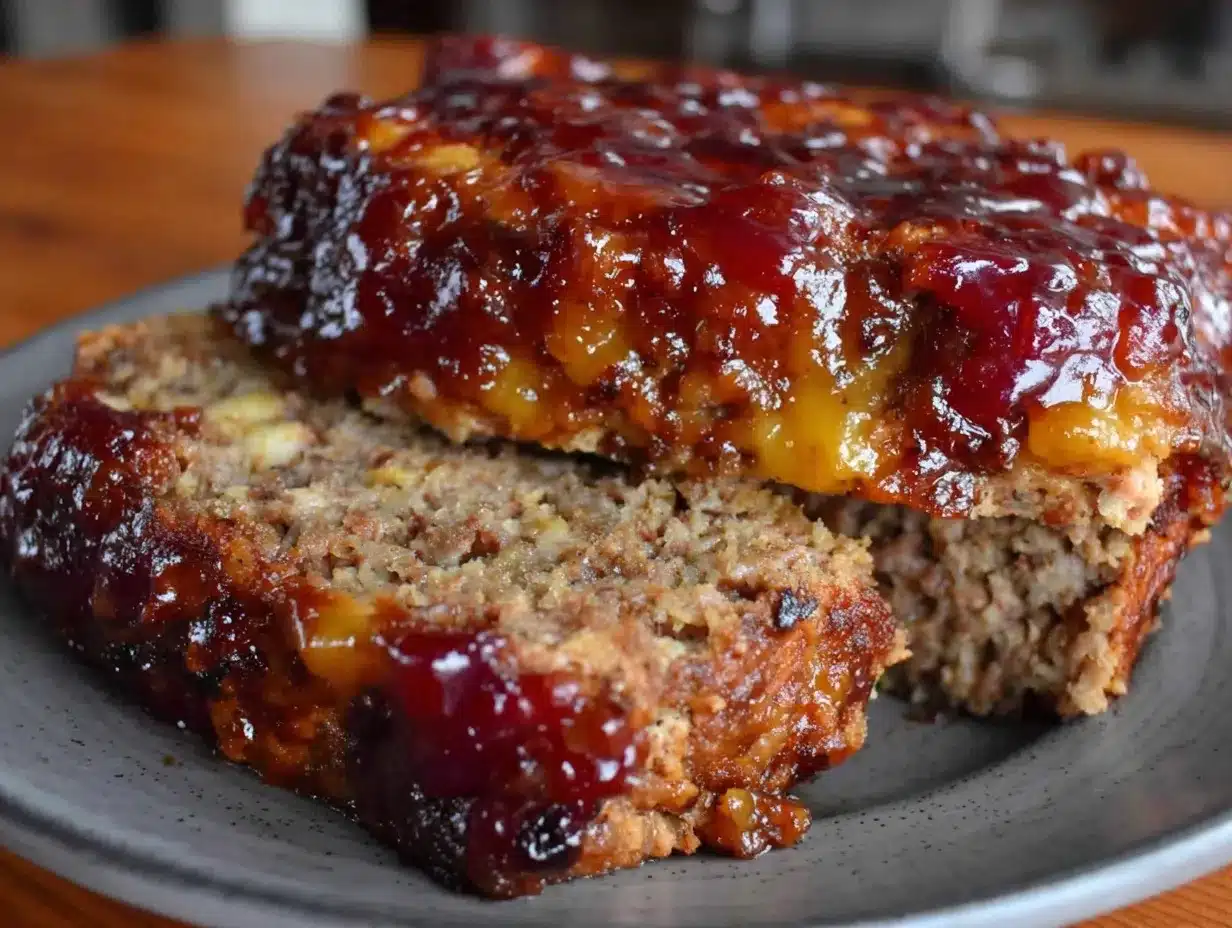
Place the loaf pan on a sheet pan and put it in the oven. Bake for 45 minutes. After 45 minutes, pull the loaf out and spread the glaze evenly over the top. Return it to the oven for another 10-15 minutes. The glaze should be bubbling and caramelized.
The meatloaf is done when the internal temperature reaches 160°F (71°C) at the center. If you don’t have a thermometer, cut into the center to check—the meat should be brown throughout, not pink. If it’s still pink, give it another 5 minutes.
Step 7: Rest (10 minutes)
This is the hardest part. Let the meatloaf rest in the pan for 10 minutes before slicing. This allows the juices to redistribute. If you cut into it immediately, all the juice runs out, and you’re left with a drier loaf. The resting time ensures every slice is juicy.
Expert Tips & Tricks
Here’s everything I’ve learned from making this dozens of times. These tips will save you from my mistakes.
Don’t Overmix the Meat — I cannot stress this enough. Handle the meat as little as possible. Use your hands gently and stop as soon as it’s combined. Think of it like handling cookie dough, not kneading bread.
Sauté Your Aromatics — Raw onions and garlic can be pungent and crunchy in a baked loaf. Sautéing them first softens the texture and brings out their natural sweetness, which balances the savory meat.
Use a Thermometer — Guessing is for amateurs. A thermometer takes the stress out. Pull the loaf at 160°F. It will continue to cook slightly as it rests, so don’t let it go over 165°F or it will start to dry out.
The Panade is Non-Negotiable — Soaking the breadcrumbs in milk is the key to moisture. Dry breadcrumbs will absorb the meat’s juices, leaving the loaf dry. The milk keeps those juices trapped inside the meat structure.
Let It Rest — I know it’s tempting to slice it hot. But waiting 10 minutes makes a huge difference. The proteins relax, and the juices stay in the loaf instead of running onto the cutting board.
Glaze Timing — Don’t put the glaze on at the beginning. The sugar will burn before the meat is cooked through. Add it in the last 10-15 minutes of baking for a perfect caramelized crust.
Leftovers are Gold — Meatloaf tastes amazing cold or room temperature. Slice it up for sandwiches with mustard and pickles. It’s a fantastic lunch option.
Variations & Substitutions
Once you’ve nailed the basic version, here’s how you can mix it up. I’ve tried all of these.
Turkey Meatloaf — Substitute all the beef with ground turkey. Turkey is leaner, so add an extra tablespoon of olive oil to the mix and make sure you don’t overcook it. It’s lighter but still delicious.
Vegan Meatloaf — Use a plant-based ground meat substitute. The technique remains the same. Just be careful not to overcook it, as plant-based meats can dry out faster than beef.
Mushroom Lovers — Finely chop 1 cup of mushrooms and sauté them with the onions. They add an earthy, savory depth that’s incredible.
Spicy Kick — Add ½ teaspoon of red pepper flakes or a diced jalapeño to the meat mixture. It adds a nice heat that contrasts with the sweet glaze.
Gluten-Free — Use gluten-free breadcrumbs and ensure your Worcestershire sauce is certified gluten-free (some brands contain malt vinegar).
Low-Carb — Skip the breadcrumbs and use almond flour or crushed pork rinds instead. You may need a little extra egg to bind it. The glaze can be made with sugar-free brown sugar substitute.
Serving & Storage
How to Serve:
I usually serve this with mashed potatoes and gravy, or roasted vegetables like carrots and green beans. A simple green salad with a vinaigrette cuts through the richness perfectly. It’s classic comfort food, so keep the sides simple.
Leftovers:
Store leftovers in an airtight container in the refrigerator for up to 4 days. The meatloaf will firm up in the fridge, but it reheats beautifully.
Reheating:
The best way to reheat is in the oven. Slice the loaf, place it in a baking dish, add a splash of broth or water, cover with foil, and heat at 350°F for 15-20 minutes. This keeps it moist. You can also microwave slices, but they tend to dry out faster. If microwaving, cover with a damp paper towel.
Freezing:
You can freeze uncooked meatloaf. Form the loaf, wrap it tightly in plastic wrap and then foil, and freeze for up to 3 months. Thaw in the fridge overnight before baking. You can also freeze cooked slices. Wrap individually and freeze for up to 2 months. Reheat in the oven or microwave.
Nutrition Information
I’m not a nutritionist, but here’s the breakdown if you’re tracking. This is per serving, based on 6 servings.
Per Serving:
– Calories: 380
– Protein: 28g
– Carbs: 12g
– Fiber: 1g
– Sugar: 8g
– Fat: 22g
– Saturated Fat: 8g
– Cholesterol: 110mg
– Sodium: 650mg
What’s Good:
– High in protein
– Good source of iron from the beef
– Satisfying and filling
What to Know:
– Higher in fat due to the beef and pork blend
– Contains sugar from the glaze
– Moderate sodium
My Take:
“This is comfort food. It’s meant to be hearty and satisfying. If you’re watching your sodium, use low-sodium ketchup and reduce the salt in the meat. If you’re watching carbs, skip the glaze or use a sugar-free substitute. But honestly? It’s best enjoyed as is, with a side of roasted veggies and a glass of red wine.”
Final Thoughts
So that’s my grandma’s classic meatloaf. It’s more than just a recipe; it’s a connection to my childhood, to quiet Tuesdays in Ohio, and to the people who taught me that cooking is an act of love.
I hope you try this never-dry classic meatloaf and make it your own. Add your favorite herbs, swap in different meats, or tweak the glaze. The best recipes are the ones you adapt to your family’s tastes. But start with this base, and you’ll see why it’s been in my family for generations.
If you make this, drop a comment and let me know how it turned out! I love hearing how recipes turn out in your kitchen. And if something doesn’t work, tell me that too—I’m here to help troubleshoot.
Happy cooking! I hope your kitchen smells as good as mine did that day.
Frequently Asked Questions
Why is my meatloaf dry?
This usually happens for three reasons: you used too lean of meat, you overmixed the meat, or you overcooked it. Make sure you use 80/20 ground beef, handle the meat gently, and check the temperature with a thermometer. Pull it at 160°F, not higher.
Can I make this ahead of time?
Yes! You can mix the meat and shape the loaf, then cover it and refrigerate for up to 24 hours before baking. Just add a few extra minutes to the baking time since it’s starting cold. You can also make the glaze ahead and store it in the fridge.
Do I have to use a loaf pan?
You can bake it on a sheet pan, which is actually how many people prefer it. It allows more heat circulation, so the sides get a little crispy. If you bake it on a sheet pan, you’ll need to form a free-standing loaf and might need to add a few extra minutes to the cooking time.
Can I freeze the meatloaf?
Yes, you can freeze it either raw or cooked. For best results, freeze the cooked slices in an airtight container for up to 3 months. Thaw in the fridge overnight and reheat in the oven with a splash of broth.
What’s the best side dish for meatloaf?
Classic sides include mashed potatoes with gravy, roasted carrots, green beans almondine, or a simple garden salad. It’s versatile, so you can pair it with almost any vegetable or starch.
Can I use ground turkey instead of beef?
Yes, but turkey is leaner. Add an extra egg and a tablespoon of olive oil to the mixture to help keep it moist. Be careful not to overcook it, as turkey dries out faster than beef.
Why does my meatloaf fall apart?
This usually means you didn’t use enough binder (eggs) or you overmixed the meat. The eggs hold it together, and gentle mixing keeps the structure loose enough to hold but firm enough to slice. Let it rest for 10 minutes after baking to set before slicing.
Pin This Recipe!
Classic Meatloaf: The Way My Grandma Made It
- Total Time: 80 minutes
- Yield: 6 servings 1x
Description
A tender, juicy, and never-dry classic meatloaf featuring a rich blend of ground beef and pork, soaked breadcrumbs for moisture, and a sticky sweet-and-savory brown sugar glaze.
Ingredients
- 2 pounds (900g) ground beef (80/20 blend)
- ½ pound (225g) ground pork
- 1 cup (240ml) whole milk
- 1 cup (100g) breadcrumbs (panko or regular)
- 2 large eggs
- 1 medium yellow onion, finely diced
- 3 cloves garlic, minced
- 1 tablespoon Worcestershire sauce
- 1 teaspoon Dijon mustard
- 1 tablespoon dried parsley
- 1½ teaspoons kosher salt
- 1 teaspoon freshly cracked black pepper
- 1 tablespoon butter (for sautéing)
- For the Glaze:
- ½ cup (120g) ketchup
- 2 tablespoons (30g) brown sugar
- 1 teaspoon apple cider vinegar
- 1 teaspoon Worcestershire sauce
Instructions
- Preheat oven to 350°F (175°C). Line a 9×5 inch loaf pan with parchment paper.
- Heat butter in a skillet over medium heat. Sauté diced onion for 5-6 minutes until soft and translucent. Add minced garlic in the last minute. Remove from heat and let cool slightly.
- In a large mixing bowl, combine milk and breadcrumbs. Stir and let sit for 5 minutes to form a panade.
- Add ground beef, ground pork, eggs, sautéed onions, garlic, 1 tablespoon Worcestershire sauce, Dijon mustard, dried parsley, salt, and pepper to the bowl.
- Gently mix ingredients by hand until just combined. Do not overmix.
- Transfer mixture to the prepared loaf pan, shaping it into a loaf with a slightly rounded top.
- In a small bowl, whisk together ketchup, brown sugar, apple cider vinegar, and 1 teaspoon Worcestershire sauce for the glaze.
- Place loaf pan on a sheet pan and bake for 45 minutes.
- Remove from oven, spread glaze evenly over the top, and return to oven for 10-15 minutes until internal temperature reaches 160°F (71°C).
- Let meatloaf rest in the pan for 10 minutes before slicing.
Notes
Do not overmix the meat to avoid a tough texture. Sautéing the onions and garlic first ensures they are soft and sweet rather than harsh. Letting the meatloaf rest for 10 minutes is crucial for retaining juices. The glaze should be added in the last 10-15 minutes of baking to prevent burning.
- Prep Time: 25 minutes
- Cook Time: 55 minutes
- Category: Main Course
- Cuisine: American
Nutrition
- Serving Size: 1 slice
- Calories: 380
- Sugar: 8
- Sodium: 650
- Fat: 22
- Saturated Fat: 8
- Carbohydrates: 12
- Fiber: 1
- Protein: 28
Keywords: meatloaf, classic meatloaf, ground beef recipe, comfort food, dinner ideas, easy dinner, family recipes


