It was 5:15 PM on a Tuesday, and I was staring into the abyss of my refrigerator. You know the look. The light flickers, the shelves are mostly empty except for a sad bunch of wilting spinach and half a jar of pickles. My brain was foggy from a long day, and the thought of chopping vegetables, marinating protein, or figuring out a complicated sauce made me want to just order takeout and call it a night. But we both know how that ends—with a greasy bag, a heavy stomach, and zero satisfaction.
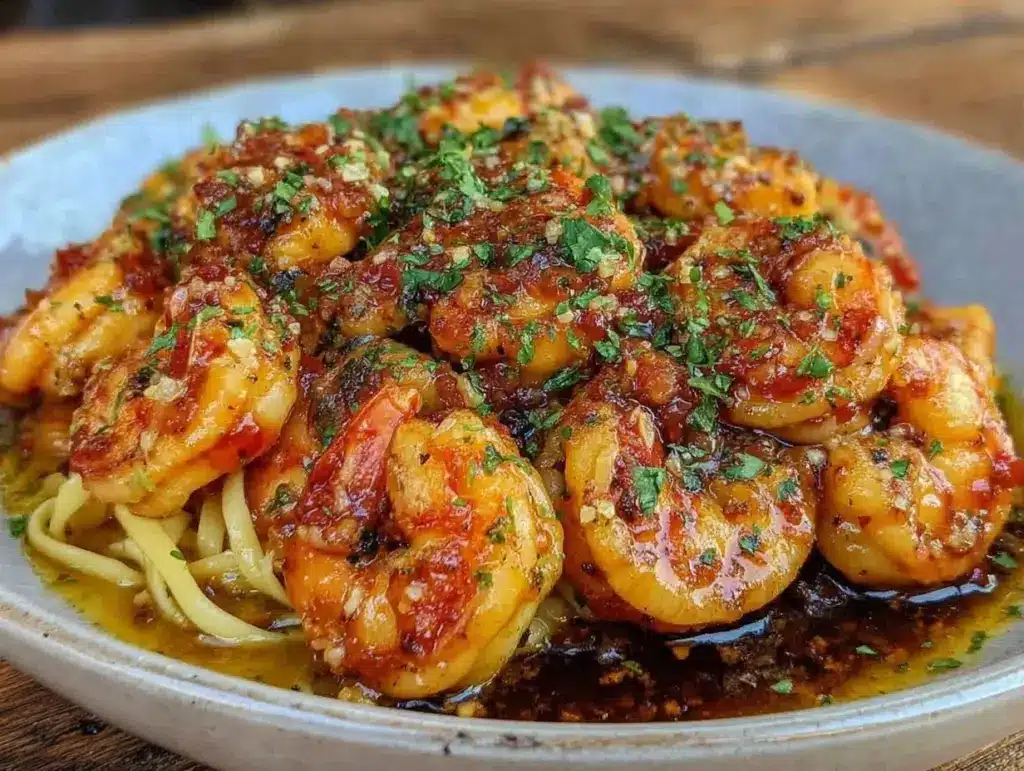
Then I remembered the bag of frozen shrimp in the freezer. It’s a staple in my house because, frankly, life is too short to shop for dinner every single day. I pulled it out, thawed it quickly under cold water, and realized I had everything else I needed: butter, garlic, white wine, and spaghetti. Ten minutes later, I had the most incredible Shrimp Scampi with Garlic Butter Sauce sitting on my stove. It smelled like a restaurant in San Francisco. It tasted like I’d spent hours simmering. But it took less time than it takes to drive to a restaurant and wait for a table.
I made it that night, then again the next, and then three times that week. My husband asked if I was secretly taking cooking classes. I wasn’t. I just found the perfect balance of richness, acid, and heat that makes this dish addictive. This isn’t just a recipe; it’s a strategy for surviving the 5pm slump. It’s the Shrimp Scampi with Garlic Butter Sauce you’ll make on repeat because it’s foolproof, fast, and universally loved. Whether you’re feeding a picky kid or hosting a last-minute dinner party, this is your answer.
Why You’ll Love This Shrimp Scampi
There are a dozen reasons I keep coming back to this garlic butter sauce shrimp recipe, but let’s be real—here are the big ones that actually matter to your busy life.
It’s a 15-Minute Miracle — Seriously. From thawed shrimp to plated dinner, it’s 15 minutes. I’ve timed it. I’ve done it while the dog was barking at the door. It works. This is the ultimate 5pm dinner when you have zero energy left.
One Pan, Zero Stress — You cook the shrimp, you remove it, you make the sauce in the same pan, you toss it back in. No scrubbing three different pots. No complicated techniques. Just one skillet and a lot of deliciousness. The cleanup is a joke (in a good way).
Restaurant-Quality Flavor — People think shrimp scampi is hard because it’s fancy. It’s not. It’s just butter, garlic, and lemon. But when you do it right, it tastes like you paid $28 for a plate at a seafood place. The key is the garlic butter sauce—it’s rich, tangy, and coats every single shrimp perfectly.
Flexible for Leftovers — This is great over pasta, but honestly? I’ve eaten it straight from the pan with a fork. I’ve even served it over garlic butter chicken and rice because sometimes you just need a heartier base. It’s versatile enough to be your main dish or a fancy appetizer.
Feels Fancy, Costs Pennies — Compared to takeout or dining out, this is incredibly cheap. A bag of frozen shrimp, a stick of butter, a lemon. You’re saving money while feeling like a gourmet chef. My friends think I’m impressive. I’m just efficient.
This recipe has saved me more weeknights than I can count. It’s my go-to when I’m tired, when guests show up unexpectedly, or when I just need a win. No fancy skills required. Just good ingredients and a hot pan.
Ingredients You’ll Need for the Best Garlic Butter Sauce
Here’s the best part: you probably have 80% of these ingredients already. This isn’t a shopping list that requires a trip to a specialty store. It’s pantry-friendly, fridge-staple goodness.
For the Shrimp
Large Shrimp (1 lb / 450g, peeled and deveined) — I use frozen, raw shrimp. It’s cheaper and often fresher than the “fresh” stuff in the case. Look for “16-20 count” if you can find it—those are perfect bite-sized pieces. If you use fresh, make sure they’re raw, not cooked. Cooked shrimp will turn rubbery in the sauce.
Extra Virgin Olive Oil (2 tablespoons) — You need this for searing the shrimp. Don’t use butter for the initial sear; it’ll burn. Olive oil has a higher smoke point. I use a decent quality oil here because you can taste it.
Kosher Salt and Black Pepper — To season the shrimp before they hit the pan. Simple. Essential.
For the Garlic Butter Sauce
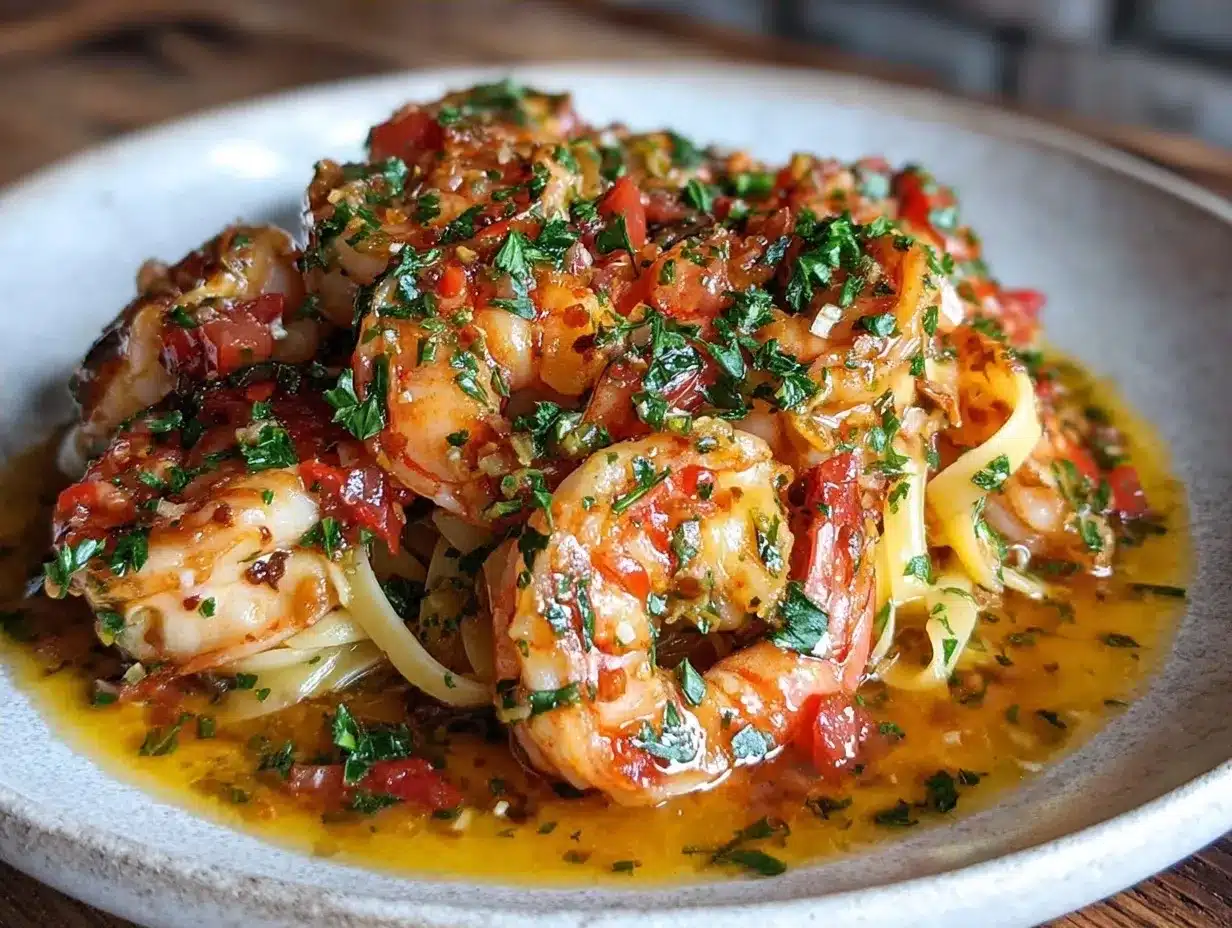
Unsalted Butter (4 tablespoons / ½ stick) — This is the star. Use real butter, not margarine. The flavor difference is massive. I like European-style butter if I have it, but regular salted butter works if you reduce the added salt later.
Garlic (6-8 cloves, minced) — Yes, that many. This is garlic butter sauce, after all. Don’t skimp. Fresh garlic only. I know jarred garlic exists, but it has a sulfurous taste that ruins the delicate sweetness of the shrimp. Mince it yourself. It takes 30 seconds.
White Wine (½ cup / 120ml) — This is the traditional liquid. It deglazes the pan and adds acidity. Use a dry white wine like Sauvignon Blanc or Pinot Grigio. Do NOT use “cooking wine” from the vinegar aisle. If you don’t drink wine, substitute with chicken broth plus a tablespoon of lemon juice. It’s not the same, but it works.
Lemon (1 large) — You’ll need the juice of one lemon and some zest. The acid cuts through the richness of the butter. Fresh juice is non-negotiable. Bottled lemon juice tastes like cleaning product.
Red Pepper Flakes (½ teaspoon) — Optional, but I recommend it. A little heat balances the fat. If you’re serving kids, leave it out or use a pinch.
Parsley (2 tablespoons, fresh, chopped) — For color and freshness. Dried parsley is sad. Fresh is vibrant. It makes the dish look like you actually tried.
For Serving
Spaghetti or Linguine — I usually serve this over pasta, but crusty bread is also perfect for dipping. If you’re doing pasta, get a pound. It’s a lot, but you’ll want leftovers. I also love this with cheesy baked spaghetti if I want to go all out.
Extra Parmesan — For sprinkling on top. Optional, but tasty.
Equipment Needed
You don’t need anything fancy. Here’s what I actually use.
Large Skillet or Sauté Pan — I use a 12-inch stainless steel skillet. It needs to be big enough to hold the shrimp in a single layer. If you crowd the pan, the shrimp steam instead of sear, and you lose that nice brown color. Cast iron works too, but stainless steel gives better control over the heat.
Tongs — For turning the shrimp. Forks work, but tongs are faster and less likely to break the shrimp.
Small Bowl — To hold the minced garlic. You don’t want to be mincing garlic while the butter is burning. Prep first!
Measuring Spoons — Standard stuff.
Zester or Microplane — For the lemon zest. If you don’t have one, a vegetable peeler works to get strips, then chop them fine.
Colander — If you’re using frozen shrimp, you’ll need this to drain the water.
Pasta Pot — Only if you’re serving over pasta. If you’re eating it plain, skip this.
How to Make Shrimp Scampi: Step-by-Step
Alright, let’s make this! I’m walking you through exactly how I do it, including the little tricks I’ve picked up so you don’t end up with mushy shrimp or burnt garlic.
Step 1: Prep the Shrimp (3 minutes)
If you’re using frozen shrimp, thaw them under cold running water for 5-10 minutes. Drain well. Pat them very dry with paper towels. This is crucial. Wet shrimp will steam instead of sear. Season them lightly with salt and pepper. Set aside. If you’re using fresh shrimp, just peel and devein them, pat dry, and season.
Step 2: Sear the Shrimp (3-4 minutes)
Heat your large skillet over medium-high heat. Add the olive oil. Once the oil shimmers (but isn’t smoking), add the shrimp in a single layer. Don’t crowd the pan! Do this in batches if you have to. Cook for 1-2 minutes per side until they turn pink and opaque. They cook fast. Remove the shrimp from the pan and set them aside on a plate. Do not clean the pan. Leave those brown bits (fond) in there—that’s flavor gold.
Step 3: Build the Garlic Butter Sauce (2 minutes)
Reduce the heat to medium. Add the butter to the same pan. Let it melt and foam. Once the foam starts to subside, add the minced garlic and red pepper flakes. Stir constantly for about 30-60 seconds. Watch it closely. Garlic burns in seconds. You want it fragrant and golden, not brown or black. If it smells bitter, start over. I’ve learned this the hard way.
Step 4: Deglaze and Simmer (2 minutes)
Pour in the white wine. Scrape the bottom of the pan with a wooden spoon to release all those flavorful brown bits. Let it simmer for 1-2 minutes until the alcohol cooks off and the sauce reduces slightly. It should look glossy and coat the back of a spoon.
Step 5: Finish the Sauce (1 minute)
Remove the pan from the heat. Stir in the lemon juice and lemon zest. This is where the magic happens. The acid brightens the rich butter. Taste it. Does it need more salt? More lemon? Adjust now. The sauce should be tangy, buttery, and garlicky.
Step 6: Combine and Serve (1 minute)
Add the cooked shrimp back into the pan with the sauce. Toss gently to coat. The shrimp will warm through in the sauce. Don’t overcook them! Just 30 seconds is enough. Sprinkle with fresh parsley. Serve immediately over hot spaghetti or with crusty bread.
Total Time: About 15 minutes. Active Time: 10 minutes.
Expert Tips & Tricks
Here’s everything I’ve learned from making this dozens of times. These tips will save you from my mistakes.
Don’t Overcook the Shrimp
Shrimp go from perfect to rubbery in a flash. They are done when they are pink and opaque. If they look curled into a tight “C” shape, they’re done. If they curl into an “O” shape, they’re overcooked. Pull them off the heat early. They’ll finish cooking in the warm sauce.
Pat Them Dry
I can’t stress this enough. Moisture is the enemy of searing. If your shrimp are wet, they’ll release water into the pan, and you’ll end up with boiled shrimp in buttery water instead of seared shrimp in garlic sauce. Paper towels are your friend.
Use Real Butter
Margarine or olive oil alone won’t give you that rich, creamy mouthfeel. You need the milk solids in butter for the sauce to emulsify properly. It’s worth the few extra dollars.
Reserve Pasta Water
If you’re serving this over pasta, save a cup of the starchy pasta water. If the sauce is too thick or clings too much to the shrimp, add a splash of pasta water to loosen it up. It helps the sauce stick to the noodles better than plain water.
Acid is Key
Don’t skip the lemon. The fat in the butter needs the acid to balance it out. Without the lemon, it’s just rich shrimp. With the lemon, it’s bright, complex, and addictive. Taste as you go.
Garlic Management
If you’re worried about burning the garlic, add it to the butter only after the wine. Some people add garlic to the wine to cook it gently. I prefer it in the butter for flavor, but if your stove runs hot, add it later. Just be consistent.
Variations & Substitutions
Once you’ve nailed the basic version, here’s how you can mix it up. I’ve tried all of these.
No-Wine Version
Substitute the white wine with chicken or vegetable broth. Add an extra tablespoon of lemon juice to compensate for the lost acidity. It’s still delicious, just less complex.
Spicy Shrimp Scampi
Double the red pepper flakes or add a pinch of cayenne. For extra heat, use spicy sausage or add fresh jalapeños. This is my favorite version when I want a kick.
Veggie-Loaded
Add sliced bell peppers, zucchini, or cherry tomatoes to the pan with the garlic. Sauté them for 2-3 minutes before adding the wine. It adds bulk and nutrients without changing the flavor profile much.
Herb Swap
If you don’t have parsley, try basil or cilantro. Basil is classic Italian; cilantro is a bit more modern and fresh. Both work well.
Dietary Modifications
Gluten-free? Use gluten-free pasta or serve over zucchini noodles (zoodles). Dairy-free? Substitute butter with olive oil or a high-quality vegan butter. The flavor will be different, but it’s still tasty. I’ve made this with olive oil when I was out of butter, and it’s a good backup.
Different Proteins
You can use this same sauce for scallops, salmon, or chicken. I love this sauce with garlic butter baked cod if I’m in a seafood mood. The sauce is versatile enough to work with almost any protein.
Serving & Storage
How to Serve
I usually serve this straight from the skillet at the dinner table—it looks rustic and stays warm. But here are other ways I’ve enjoyed it:
Side Dishes
– A simple green salad with lemon vinaigrette (to cut the richness)
– Roasted asparagus or broccoli
– Crusty sourdough bread for dipping
– Garlic knots (if you’re feeling indulgent)
Wine Pairing
Since you’re already using white wine in the sauce, stick with that. A crisp Sauvignon Blanc or a dry Pinot Grigio pairs perfectly. Avoid heavy reds; they’ll clash with the lemon and garlic.
Storage Instructions
Store leftovers in an airtight container in the fridge for up to 2 days. The shrimp will continue to cook slightly in the cold sauce, so they might be a bit tougher the next day. That’s why I usually make just enough for one meal.
Reheating
Reheat gently in a skillet over low heat with a splash of water or broth. Do not microwave it, or the shrimp will become rubbery. If you must microwave, do it in 15-second bursts and add a splash of liquid.
Freezing
I don’t recommend freezing shrimp scampi. The texture of the shrimp changes, and the sauce can separate. It’s best eaten fresh. Make it small batches so you don’t have leftovers.
Nutrition Information
I’m not a nutritionist, but here’s the breakdown if you’re tracking. This is per serving (based on 4 servings with pasta).
Per Serving:
- Calories: 450
- Protein: 25g
- Carbs: 45g (from pasta)
- Fat: 18g
- Sodium: 600mg (varies based on broth/wine)
What’s Good: High in protein from the shrimp. Low in carbs if you skip the pasta or use zoodles. The garlic has anti-inflammatory properties (okay, maybe not enough to count as a vegetable, but still).
What to Know: It’s rich in butter and cholesterol. It’s comfort food. If you’re watching your intake, use less butter, skip the pasta, or use whole wheat pasta. But honestly? It’s a treat. Enjoy it.
Final Thoughts
So that’s my go-to Shrimp Scampi with Garlic Butter Sauce! I’ve probably talked your ear off at this point, but when you make a recipe this often, you have a lot to say about it. This dish has saved me more weeknight dinners than I can count. It’s my answer to “what’s for dinner” when I’m tired, don’t want takeout, and still want something that tastes really good. My kids are happy, my husband’s happy, and I’m happy because I’m not stressed about cooking.
Make it yours! Try different add-ins, swap in your favorite vegetables, adjust the garlic (though more is always better in my opinion). The best recipes are the ones you adapt to your family’s tastes. And if you want to pair it with a drink, this goes great with a glass of watermelon mint sangria for a summer vibe, or just a simple iced tea.
If you make this, drop a comment and let me know what you think! I love hearing how recipes turn out in your kitchen. And if something doesn’t work, tell me that too—I’m here to help troubleshoot. Happy cooking! And I hope your kitchen smells half as good as mine does right now.
Frequently Asked Questions
Can I use frozen shrimp?
Absolutely. Frozen shrimp are often better than “fresh” because they’re frozen at peak freshness. Just thaw them under cold water, drain well, and pat them dry. If you don’t pat them dry, they’ll steam instead of sear. That’s the only catch.
Why did my shrimp turn rubbery?
You overcooked them. Shrimp cook in 2-3 minutes total. As soon as they turn pink and opaque, they’re done. If they curl into a tight circle, they’re done. If you leave them in the pan for 5 minutes, they’ll be tough. Trust your eyes, not the clock.
Can I make this ahead of time?
Not really. Shrimp are best cooked fresh. You can prep the shrimp and mince the garlic ahead of time, but cook the dish right before serving. If you make the sauce ahead and reheat it, the shrimp will overcook when you add them back in. It’s a quick dish for a reason—cook it when you’re ready to eat.
What wine should I use?
Use a dry white wine that you would drink. Sauvignon Blanc, Pinot Grigio, or Chardonnay (unoaked) work best. Avoid sweet wines like Riesling unless you want a sweet scampi. And never use “cooking wine”—it’s too salty and preservative-heavy.
Can I substitute the butter?
You can use olive oil, but it won’t be as rich. You can use vegan butter, but the flavor will be different. Real butter is the key to that classic scampi taste. If you’re out of butter, you can use a mix of oil and a little cream, but it’s not traditional.
Is this spicy?
It’s mildly spicy if you add red pepper flakes. I use ½ teaspoon, which gives a gentle warmth. If you don’t like spice, leave it out. The garlic and lemon provide plenty of flavor without the heat.
How do I store leftovers?
Store in an airtight container in the fridge for up to 2 days. Reheat gently in a skillet with a splash of water or broth. Do not microwave, or the shrimp will get tough. The sauce will thicken in the fridge, so the liquid helps loosen it up.
Pin This Recipe!
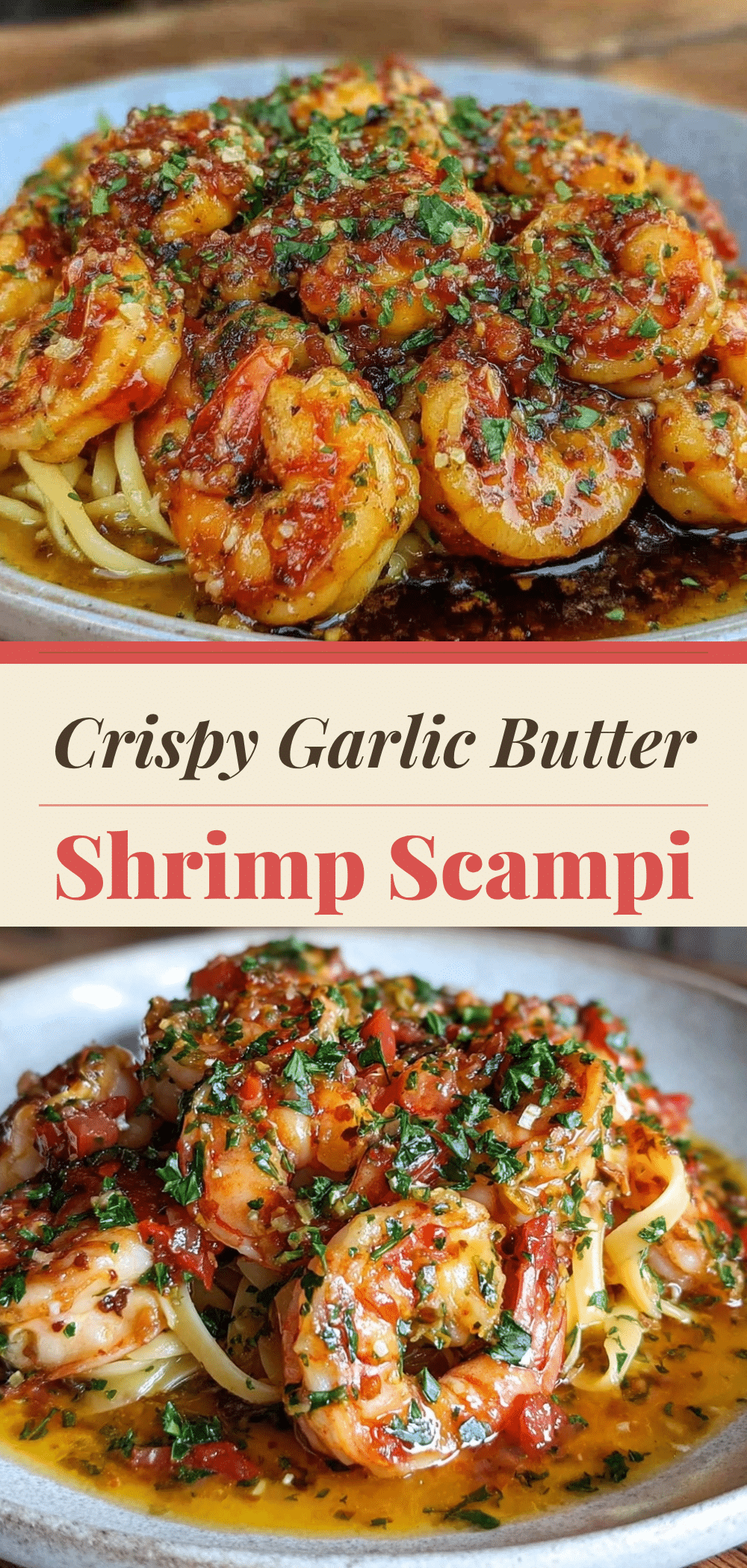
Shrimp Scampi with Garlic Butter Sauce: Easy 5pm Dinner
- Total Time: 15 minutes
- Yield: 4 servings 1x
Description
A foolproof, 15-minute weeknight dinner featuring seared shrimp in a rich, tangy garlic butter and white wine sauce. Perfect for busy evenings, this one-pan meal tastes restaurant-quality but costs pennies.
Ingredients
- 1 lb (450g) large shrimp, peeled and deveined (frozen or fresh)
- 2 tablespoons extra virgin olive oil
- Kosher salt and black pepper
- 4 tablespoons (½ stick) unsalted butter
- 6–8 cloves garlic, minced
- ½ cup (120ml) dry white wine (e.g., Sauvignon Blanc or Pinot Grigio)
- 1 large lemon (juice and zest)
- ½ teaspoon red pepper flakes (optional)
- 2 tablespoons fresh parsley, chopped
- Spaghetti or Linguine (approx. 1 lb)
- Extra Parmesan cheese for serving
Instructions
- Thaw frozen shrimp under cold water if necessary, then drain and pat very dry with paper towels. Season lightly with salt and pepper.
- Heat a large skillet over medium-high heat and add olive oil. Once shimmering, add shrimp in a single layer (cook in batches if needed). Sear for 1-2 minutes per side until pink and opaque. Remove shrimp and set aside, leaving fond in the pan.
- Reduce heat to medium. Add butter to the pan and let it melt and foam. Add minced garlic and red pepper flakes, stirring constantly for 30-60 seconds until fragrant and golden (do not burn).
- Pour in white wine and scrape the bottom of the pan to release brown bits. Simmer for 1-2 minutes until slightly reduced.
- Remove pan from heat. Stir in lemon juice and lemon zest. Taste and adjust seasoning if needed.
- Return shrimp to the pan and toss gently to coat in the sauce for about 30 seconds to warm through.
- Serve immediately over hot cooked spaghetti or with crusty bread, garnished with fresh parsley and Parmesan.
Notes
Pat shrimp dry thoroughly to ensure proper searing; wet shrimp will steam. Do not overcook shrimp or they will become rubbery. If serving with pasta, reserve some starchy pasta water to loosen the sauce. For a non-alcoholic version, substitute wine with chicken broth and extra lemon juice. Avoid microwaving leftovers as it makes shrimp tough.
- Prep Time: 3 minutes
- Cook Time: 12 minutes
- Category: Main Course
- Cuisine: Italian
Nutrition
- Serving Size: 1 plate with pasta
- Calories: 450
- Sugar: 2
- Sodium: 600
- Fat: 18
- Saturated Fat: 10
- Carbohydrates: 45
- Fiber: 2
- Protein: 25
Keywords: shrimp scampi, garlic butter sauce, 5pm dinner, quick weeknight meals, one pan dinner, seafood pasta, easy shrimp recipe, restaurant style shrimp