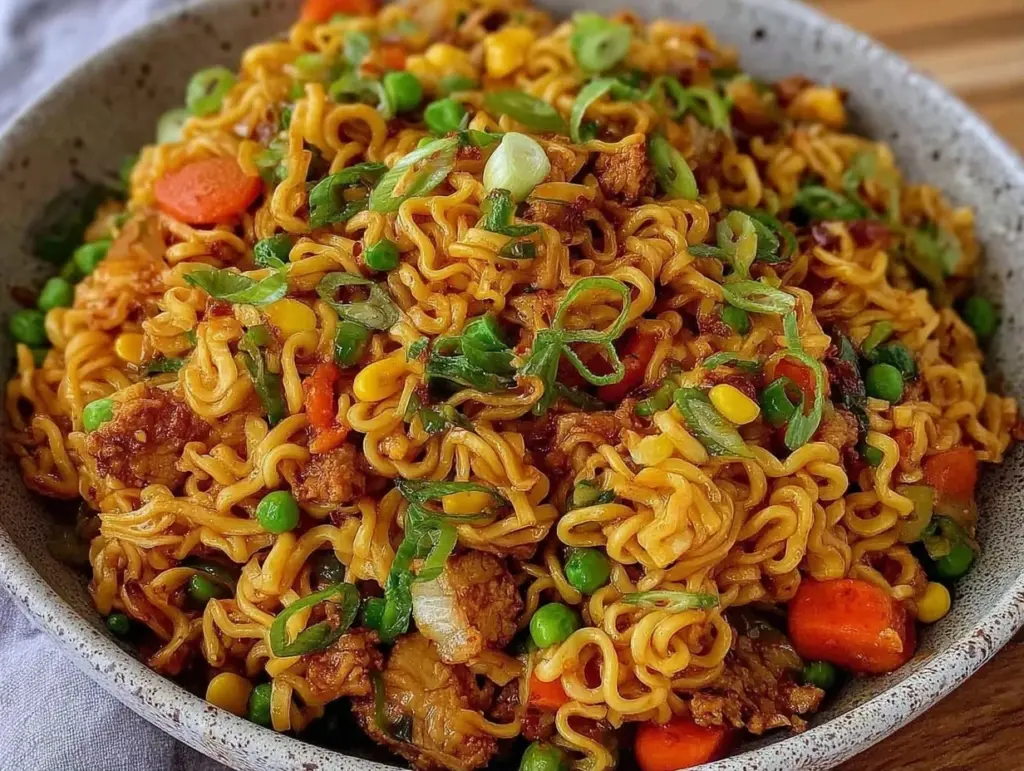
I remember the night my college budget hit rock bottom. I had exactly $12.50 in my checking account, it was 11:30 PM, and I was staring at a half-empty pantry in my cramped dorm kitchen. The vending machine down the hall was closed, and I was too tired to walk to the 24-hour diner. So, I did what I’ve done countless times since: I raided the freezer and the ramen aisle.
That night, I didn’t make a sad bowl of instant noodles. I made a crispy, savory, vegetable-packed stir fry that tasted like I’d spent an hour at a local eatery, not ten minutes in a microwave-less kitchen. It was the first time I realized that “college food” didn’t have to mean cheap, boring, or unhealthy. It could actually be delicious.
This Budget Ramen Stir Fry with Frozen Veggies is my go-to when life gets chaotic, my wallet gets light, or I just don’t have the energy to chop fresh produce. It’s a recipe born from necessity but perfected by taste. I’ve tweaked it over the years—from dorm hot plates to a full apartment kitchen—and it remains the most reliable, filling, and affordable meal I own.
If you’re a student on a tight budget, a busy parent looking for a quick weeknight win, or just someone who loves the comfort of noodles but wants more than just broth, this is for you. It’s not fancy. It’s not trying to be. It’s just good, solid food that respects your time and your bank account. Let’s get cooking.
Why You’ll Love This Recipe
There’s a reason this dish has survived in my rotation for years. It’s not just about saving money (though that’s a huge bonus). It’s about the simplicity and the flavor payoff. Here’s why this Budget Ramen Stir Fry with Frozen Veggies keeps me coming back:
- Incredibly Fast — Seriously, from start to finish, it takes about 15 minutes. I’ve made this on nights when I came home from work exhausted, and it felt like a lifesaver. No chopping, no marinating, just toss and cook.
- Zero Waste Friendly — Frozen veggies don’t go bad. You can keep a bag of broccoli, carrots, and peas in the freezer for months. No more throwing away wilted spinach or mushy peppers. You grab what you need, cook it, and the rest stays perfect.
- Customizable Any Way You Want — Hate broccoli? Use cauliflower. Want more protein? Throw in an egg or some canned chicken. This recipe is a canvas. I’ve made it with shrimp, I’ve made it vegan, and I’ve made it with just garlic and soy sauce. It always works.
- Uses Up Leftovers — That half-cooked chicken from Sunday dinner? The leftover rice from Friday? This stir fry is the perfect vehicle for leftovers. It transforms them into something new and exciting.
- Actually Tastes Good — I know ramen packets are cheap, but they’re also bland on their own. By turning them into a stir fry with a proper sauce, you get that savory, umami-rich flavor that feels way more satisfying than a standard bowl of soup.
This isn’t just a “survival meal.” It’s a legitimate dinner that my family actually asks for. It’s the kind of recipe that makes you feel like a chef, even if you’re using a non-stick pan and a bag of frozen peas.
Ingredients You’ll Need
Here’s the best part: you probably have most of this already. This Budget Ramen Stir Fry with Frozen Veggies relies on pantry staples and freezer basics. No fancy trips to the specialty store required.
The Noodles
Ramen Noodle Packets (2-3 standard packs) — I use the instant kind, but you can use fresh ramen noodles if you have them. I usually use 2 packs for one big meal or 3 for a hearty appetite. Save the seasoning packets! They’re the base of your sauce.
The Frozen Veggie Mix
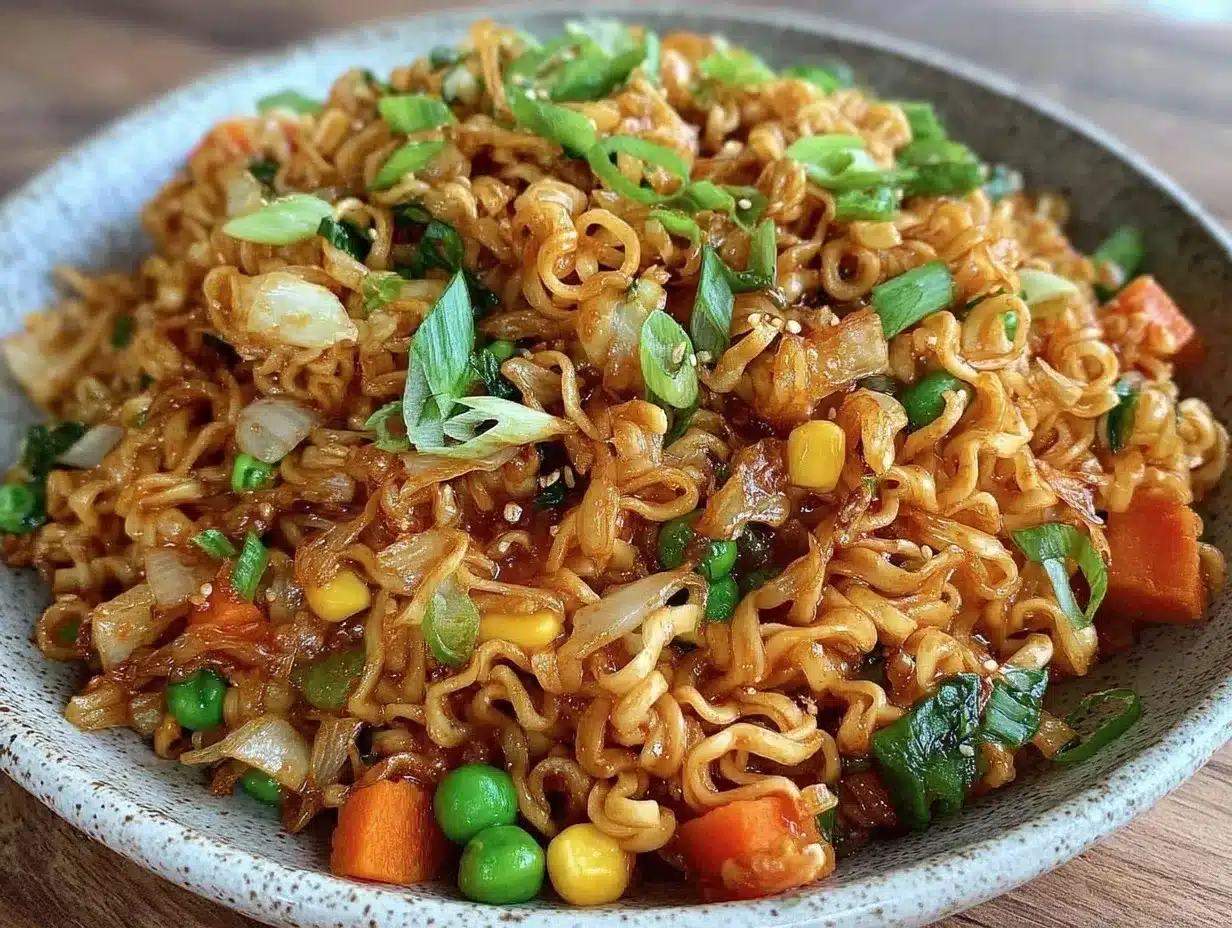
Frozen Stir-Fry Vegetables (2 cups) — Look for the bags that say “stir-fry blend” or “mixed vegetables.” They usually contain carrots, peas, corn, and green beans. I love the convenience. If you prefer specific veggies, go for it! Broccoli florets, sliced bell peppers, or snap peas work great too. Just keep them frozen until you’re ready to cook.
The Sauce Base
Water (1/4 cup) — You’ll use this to dissolve the seasoning packets into a sauce. Don’t throw them away!
Soy Sauce (1 tablespoon) — Adds extra saltiness and depth. If you’re watching sodium, use low-sodium soy sauce or tamari.
Sesame Oil (1 teaspoon) — This is non-negotiable for me. It gives that distinct “takeout” aroma. Toasted sesame oil is best. If you don’t have it, a little olive oil works, but it won’t be the same.
Garlic Powder (1/2 teaspoon) — Fresh garlic is great, but in a pinch, powder works perfectly. It distributes evenly and doesn’t burn as easily in a quick stir-fry.
Ginger (1/2 teaspoon, ground or fresh minced) — Fresh is better, but ground ginger is fine. It adds a nice warmth that balances the salty soy sauce.
Red Pepper Flakes (Optional, 1/4 teaspoon) — For a little heat. I like a kick, but skip this if you’re sensitive to spice.
The Protein (Optional but Recommended)
Eggs (2 large) — Scrambled into the stir fry, they add protein and make it more filling. This is the cheapest protein source out there.
Leftover Cooked Chicken (1 cup, diced) — Rotisserie chicken works perfectly. Canned chicken is another budget-friendly option.
Firm Tofu (1/2 block, cubed) — For a vegan option, press the tofu and pan-fry it briefly before adding veggies. It soaks up the sauce beautifully.
For Serving
Green Onions (2 stalks, sliced) — For garnish. Adds color and a fresh crunch.
Sesame Seeds (1 teaspoon) — Optional, but pretty and nutty.
Rice (Optional, 1 cup cooked) — Some people like to serve this over white rice. I usually skip it because the noodles are filling enough, but do what feels right for you.
Shopping Shortcuts
I buy frozen veggies in bulk during sales. I keep three bags in the freezer at all times: one stir-fry mix, one broccoli, and one green beans. This way, I never run out. For the ramen, I buy the multi-packs at the grocery store—they’re usually under $1 per pack.
Equipment Needed
You don’t need fancy equipment for this. Here’s what I actually use:
Large Skillet or Wok — I use a 12-inch non-stick skillet. It needs to be big enough to toss the noodles and veggies without crowding. Crowding steams the veggies instead of frying them, and we want that crispy texture.
Wooden Spoon or Spatula — For stirring and breaking up the noodles. Silicone works too, but I like the feel of wood.
Small Bowl — For mixing the sauce ingredients before adding them to the pan. This ensures the seasoning is evenly distributed.
Knife and Cutting Board — Only if you’re adding fresh veggies or slicing green onions. If you’re using frozen bags, you might not need these at all.
Colander — If you choose to boil the noodles separately (which I recommend for better texture), you’ll need this to drain them.
Measuring Spoons — For the sauce. I usually eyeball it, but if you’re new to cooking, measuring helps you learn the balance.
How to Make It: Step-by-Step
Alright, let’s make this! I’m walking you through exactly how I do it, including the little tricks I’ve picked up over the years.
Step 1: Prep the Sauce (2 minutes)
Before you turn on the stove, mix your sauce. In a small bowl, combine the contents of one or two ramen seasoning packets with 1/4 cup of water, 1 tablespoon of soy sauce, 1 teaspoon of sesame oil, garlic powder, ginger, and red pepper flakes. Whisk it until the powder is dissolved. Set it aside. Having this ready means you won’t panic when the pan is hot.
Step 2: Cook the Noodles (5-7 minutes)
Bring a pot of salted water to a boil. Add the ramen noodles. Cook them according to the package directions, usually 3-4 minutes. They should be tender but still have a slight bite. Drain them in a colander and rinse them briefly with cold water. This stops the cooking and prevents them from sticking together. Toss them with a tiny drop of sesame oil to keep them separate. Set aside.
Step 3: Cook the Protein (3-4 minutes)
While the noodles cook, heat a large skillet over medium-high heat. Add a tablespoon of oil. If you’re using eggs, crack them into the hot pan and scramble them until just set. Remove the eggs to a plate. If you’re using chicken or tofu, cook them now until heated through or browned. Remove and set aside with the eggs.
Step 4: Sauté the Veggies (3-4 minutes)
In the same skillet, add a little more oil if needed. Toss in the frozen vegetables. Don’t thaw them! Cook them for 3-4 minutes, stirring frequently. You want them to heat through and get slightly caramelized. If the pan looks dry, add a splash of water and let it steam for 30 seconds to help cook the frozen veggies faster. Once they’re hot and tender-crisp, push them to the side of the pan.
Step 5: Combine and Sauce (2 minutes)
Add the cooked noodles and the cooked protein (eggs/chicken/tofu) back into the skillet with the veggies. Pour the sauce mixture over everything. Toss gently but thoroughly. The sauce will bubble and thicken as it hits the hot noodles. Cook for another 1-2 minutes, letting the noodles absorb the flavor. If it looks too dry, add a splash more water. If it’s too wet, let it cook a bit longer.
Step 6: Serve
Remove from heat. Garnish with sliced green onions and sesame seeds. Serve immediately while hot. This Budget Ramen Stir Fry with Frozen Veggies is best enjoyed fresh, but leftovers are great too.
Total Time: About 15 minutes (5 minutes prep, 10 minutes cooking)
Expert Tips & Tricks
Here’s everything I’ve learned from making this dozens of times. These tips will save you from my mistakes.
- Don’t Overcook the Noodles — Ramen noodles cook very fast. If you boil them until they’re soft, they’ll turn to mush when you toss them in the sauce. Undercook them slightly by 30 seconds. They’ll finish cooking in the pan.
- High Heat is Key — When you add the veggies and noodles to the skillet, keep the heat on medium-high. You want to fry, not steam. If the pan is too cool, the veggies will get soggy.
- Sauce Balance — The ramen seasoning packets can be salty. Taste your sauce before adding extra soy sauce. If you’re using low-sodium broth or less seasoning, you might need a pinch more salt.
- Frozen Veggies Don’t Need Thawing — Cooking them straight from frozen helps them retain their texture. Thawing them first makes them mushy. Just dump them in the hot pan.
- Add Fresh Garlic at the End — If you want to use fresh garlic, add it in the last 30 seconds of cooking. It burns quickly and can turn bitter if you sauté it too long.
Common Mistakes:
- Soggy Noodles: Caused by overcooking or too much sauce. Drain noodles well and use sauce sparingly.
- Bland Taste:
- Sticking: Make sure your skillet is hot before adding ingredients. A non-stick pan helps, but heat is the real secret.
Variations & Substitutions
Once you’ve nailed the basic version, here’s how you can mix it up. I’ve tried all of these.
- Spicy Ramen Stir Fry — Add 1 tablespoon of chili crisp or sriracha to the sauce. Top with extra red pepper flakes. This is my favorite when I want a kick.
- Vegetarian Boost — Add a handful of spinach or kale in the last minute of cooking. It wilts quickly and adds nutrients without changing the flavor much.
- Protein Power — Use 2 cups of diced rotisserie chicken or shredded pork. It makes the meal more filling and adds savory flavor.
- Vegan Version — Use vegetable broth instead of water (if you’re not using the seasoning packet, which often has chicken powder), and use tofu instead of eggs. Many ramen seasoning packets are vegan, but check the label.
- Teriyaki Style — Skip the ramen seasoning packet. Use 2 tablespoons of teriyaki sauce and 1 tablespoon of soy sauce in the mix. It’s sweeter and more glaze-like.
- Creamy Peanut — Stir in 1 tablespoon of peanut butter at the end. It melts into the sauce and creates a rich, nutty coating. This is surprisingly delicious.
Dietary Notes:
- Gluten-Free: Use gluten-free ramen noodles and tamari instead of soy sauce. Check the seasoning packet for gluten-free certification.
- Low-Sodium: Use low-sodium soy sauce and reduce or skip the ramen seasoning packet. Add extra garlic and ginger for flavor.
Serving & Storage
How to Serve:
I usually serve this straight from the skillet. It’s rustic and easy. But here are other ways I’ve enjoyed it:
- Over Rice: Serve on a bed of white or brown rice for extra carbs.
- With a Side Salad: A simple green salad with vinegar balances the richness of the noodles.
- As a Snack: Leftovers make a great lunch or late-night snack.
Storage Instructions:
Refrigerator: Store in an airtight container for up to 3 days. The noodles will absorb more sauce, so they might look drier. That’s normal.
Reheating: Best method: Microwave with a splash of water or broth. Cover it to steam the noodles back to life. Stir halfway through. Alternatively, reheat in a skillet over low heat with a little water.
Freezing: I don’t recommend freezing this. The noodles tend to get mushy and the veggies can become watery when thawed. It’s best eaten fresh or refrigerated.
Nutrition Information
I’m not a nutritionist, but here’s the breakdown if you’re tracking. This is per serving (based on 2 servings with 2 packs of noodles and veggies).
| Nutrient | Amount |
|---|---|
| Calories | 450-550 |
| Protein | 15-20g |
| Carbs | 60-70g |
| Fat | 15-20g |
| Sodium | 800-1200mg |
What’s Good: It’s cheap, fast, and can be balanced with veggies and protein. The frozen veggies provide fiber and vitamins.
What to Know: Ramen noodles are high in sodium and refined carbs. If you’re watching your salt, use less seasoning or low-sodium options. It’s comfort food, so enjoy it in moderation.
Final Thoughts
So that’s my Budget Ramen Stir Fry with Frozen Veggies! It’s simple, it’s cheap, and it’s surprisingly delicious. I’ve made this when I was broke, when I was busy, and when I just didn’t feel like cooking. And every single time, it’s been a win.
This recipe has saved me from ordering takeout more times than I can count. It’s proof that you don’t need expensive ingredients or fancy techniques to make a great meal. Sometimes, the best food comes from the simplest places.
Make it yours! Add your favorite veggies, tweak the spice level, or throw in some leftover meat. The best recipes are the ones you adapt to your life. If you make this, drop a comment and let me know how it turned out. I love hearing how people customize their meals.
Happy cooking! And I hope your kitchen smells amazing.
Frequently Asked Questions
Can I use fresh veggies instead of frozen?
Yes! Fresh veggies work great, but you’ll need to chop them and cook them a bit longer. Fresh carrots and broccoli take 5-7 minutes to soften, so add them before the bell peppers or snap peas. Frozen veggies are just more convenient and cheaper.
Is this recipe healthy?
It can be! The frozen veggies add fiber and nutrients. The ramen noodles are high in sodium and carbs, so balance it by adding extra veggies and lean protein like chicken or tofu. It’s a better option than fast food, but it’s still comfort food.
Can I make this ahead of time?
I recommend making it fresh. Ramen noodles get soggy quickly. You can prep the sauce and chop veggies ahead, but cook the noodles right before serving for the best texture.
What if I don’t have sesame oil?
You can skip it or use olive oil. It won’t have that distinct nutty flavor, but it’ll still taste good. The soy sauce and ramen seasoning provide most of the flavor.
Can I double this recipe?
Yes, just use a larger skillet or cook in batches. If you double it, make sure your pan isn’t too crowded, or the veggies will steam instead of fry. You might need to cook in two batches.
Why are my noodles mushy?
You probably overcooked them in the boiling water. Ramen noodles cook in 3-4 minutes. Undercook them slightly, and they’ll finish cooking in the sauce without turning to mush.
Can I make this vegan?
Yes! Use vegetable broth, check that the ramen seasoning packet is vegan (some have chicken powder), and use tofu or eggs instead of meat. Many brands offer vegan ramen options.
Pin This Recipe!
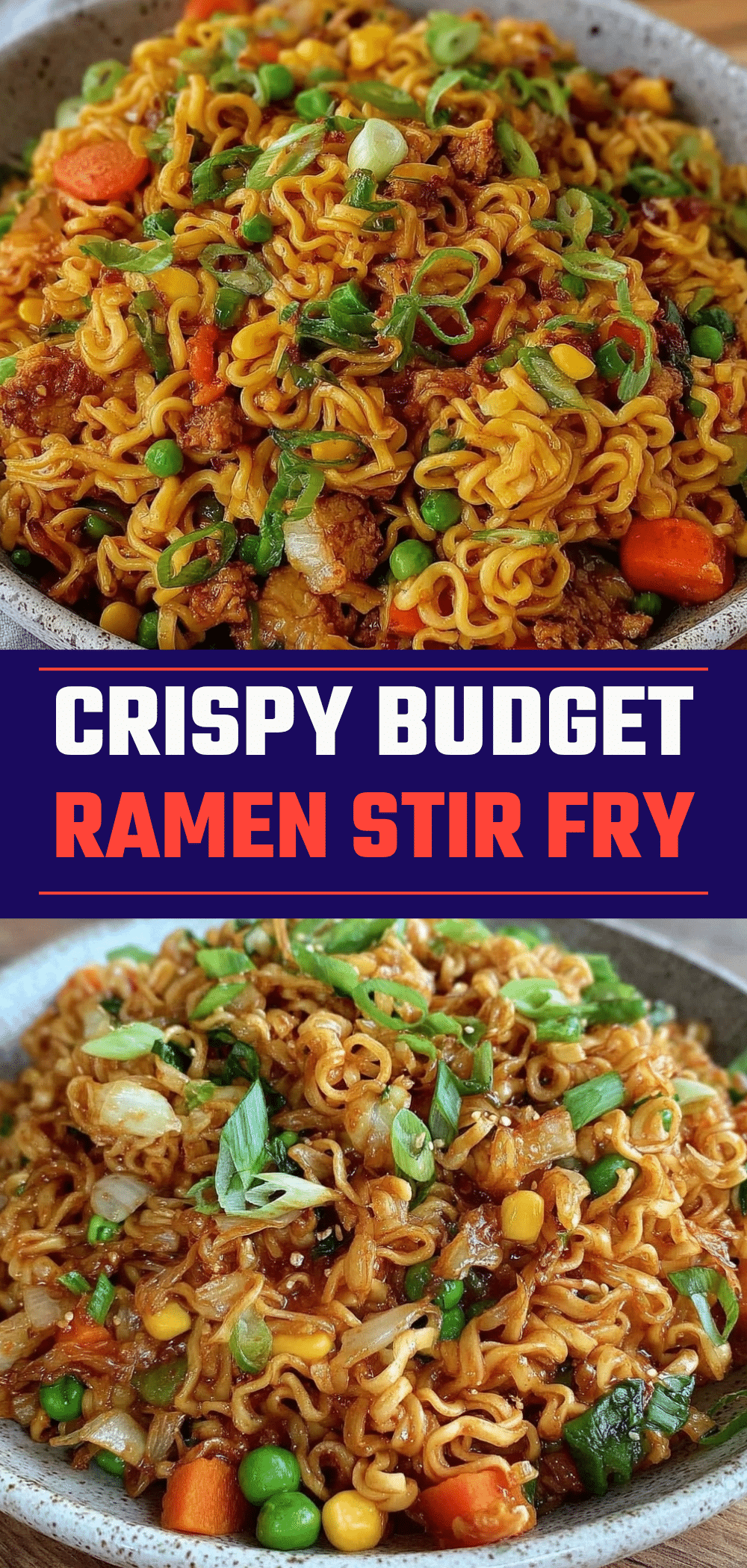
Budget Ramen Stir Fry with Frozen Veggies
- Total Time: 15 minutes
- Yield: 2 servings 1x
Description
A quick, affordable, and customizable stir fry made with ramen noodles, frozen vegetables, and a savory sauce. Perfect for students, busy parents, or anyone looking for a fast weeknight meal.
Ingredients
- 2–3 packs instant ramen noodles (save seasoning packets)
- 2 cups frozen stir-fry vegetables (carrots, peas, corn, green beans)
- 1/4 cup water
- 1 tablespoon soy sauce (or low-sodium/tamari)
- 1 teaspoon sesame oil (toasted)
- 1/2 teaspoon garlic powder
- 1/2 teaspoon ginger (ground or fresh minced)
- 1/4 teaspoon red pepper flakes (optional)
- 2 large eggs (scrambled, optional)
- 1 cup leftover cooked chicken, diced (optional)
- 1/2 block firm tofu, cubed (optional, for vegan version)
- 2 stalks green onions, sliced (for garnish)
- 1 teaspoon sesame seeds (optional, for garnish)
- Cooked rice (optional, for serving)
Instructions
- Mix the sauce: In a small bowl, combine ramen seasoning packets, 1/4 cup water, soy sauce, sesame oil, garlic powder, ginger, and red pepper flakes. Whisk until dissolved.
- Cook the noodles: Bring a pot of salted water to a boil. Add ramen noodles and cook for 3-4 minutes until tender but still slightly firm. Drain and rinse with cold water. Toss with a drop of sesame oil to prevent sticking.
- Cook the protein: Heat a large skillet over medium-high heat with a tablespoon of oil. Scramble eggs until just set and remove to a plate, or cook chicken/tofu until heated through/browned. Remove and set aside.
- Sauté the veggies: In the same skillet, add frozen vegetables (do not thaw). Cook for 3-4 minutes, stirring frequently, until hot and slightly caramelized. If dry, add a splash of water to steam.
- Combine: Add cooked noodles and protein back to the skillet with the veggies. Pour the sauce mixture over everything.
- Finish: Toss gently to coat. Cook for 1-2 minutes until the sauce thickens and noodles absorb flavor. Add a splash of water if too dry.
- Serve: Remove from heat. Garnish with green onions and sesame seeds. Serve immediately.
Notes
Do not overcook the noodles; they should be slightly underdone before adding to the pan as they will finish cooking in the sauce. Use high heat to fry rather than steam the vegetables. Frozen veggies do not need thawing. For a vegan version, ensure the ramen seasoning packet is vegan (some contain chicken powder) and use tofu instead of eggs.
- Prep Time: 5 minutes
- Cook Time: 10 minutes
- Category: Main Course
- Cuisine: Asian Fusion
Nutrition
- Serving Size: 1 serving (approx. 1
- Calories: 450550
- Sodium: 8001200
- Fat: 1520
- Carbohydrates: 6070
- Protein: 1520
Keywords: budget ramen, college meals, quick dinner, stir fry, frozen veggies, easy recipe, student food, weeknight dinner, cheap meals


