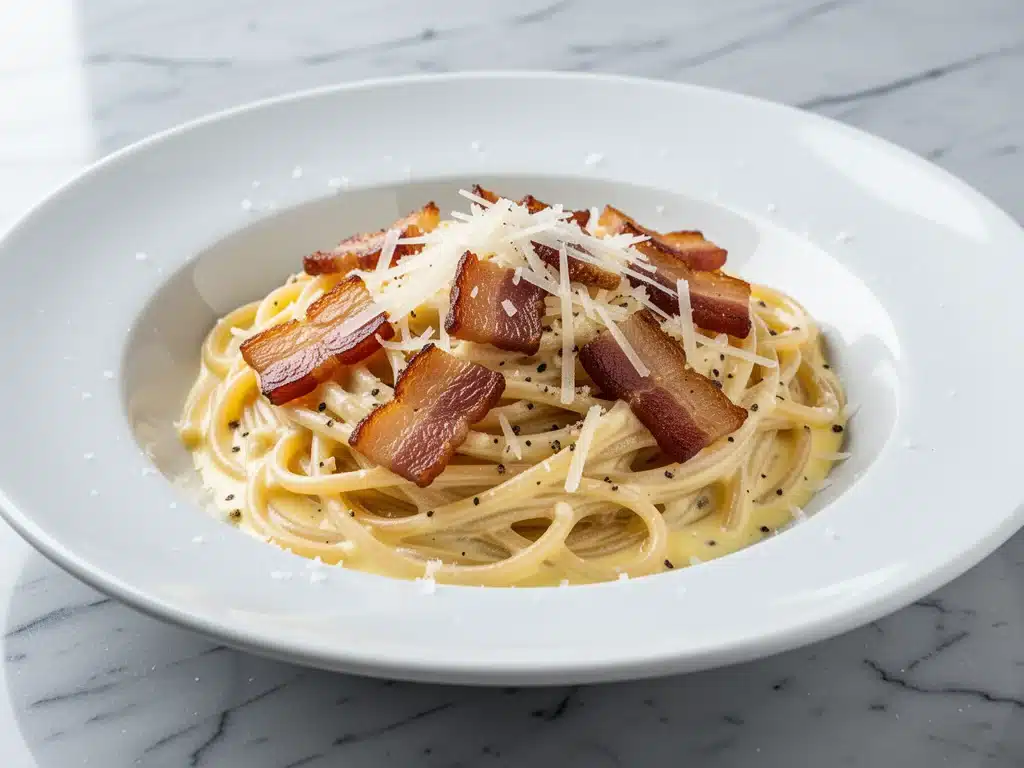
Let’s get one thing straight right out of the gate: if you’ve ever put cream in your carbonara, you haven’t made carbonara. You’ve made a creamy pasta dish, sure. It might even be delicious. But it’s not the real deal.
I learned this the hard way. Back in my college days, I thought I was a pretty good cook because I could whip up a “carbonara” that was rich, white, and velvety. I was proud of it until I took a trip to Rome. I walked into a tiny, family-run trattoria near the Pantheon, ordered the spaghetti alla carbonara, and waited. What came out looked different. Less white. More glossy. And when I took that first bite, I was hit with this intense, savory punch of guanciale and sharp pecorino that didn’t need a drop of dairy to feel luxurious.
I was confused. I asked the waiter, “Where’s the cream?” He looked at me like I’d asked where the ham was in a ham sandwich. “No cream,” he said. “Just eggs, cheese, pork, and pepper.” It was a revelation. It was also terrifyingly simple.
Since that trip, I’ve made this authentic Italian carbonara probably fifty times. I’ve burned the eggs. I’ve made scrambled egg pasta. I’ve used bacon because guanciale is hard to find in suburban Ohio. But I’ve also nailed it. I’ve perfected the technique so that every single time, I get that silky, emulsified sauce that coats every strand of pasta without a single lump or curdle.
This recipe uses just four ingredients. Yes, four. It sounds too simple to be dinner, but that’s the magic of Roman cooking. It’s about technique, not complexity. If you can boil water and whisk eggs, you can make this. And once you master it, you’ll never go back to the creamy version. Your friends will ask for the recipe. I promise they will. It’s that good.
Why You’ll Love This 4-Ingredient Pasta
There’s something deeply satisfying about making a restaurant-quality meal with ingredients you probably already have in your kitchen. This authentic Italian carbonara isn’t just about simplicity; it’s about flavor intensity. Here’s why this recipe has earned a permanent spot in my weekly rotation:
- It’s Technically Simple, But Feels Fancy — You don’t need to be a chef to pull this off. The technique (tempering the eggs) is the only tricky part, and once you get it, it’s muscle memory. But the result? It looks and tastes like something from a high-end Italian bistro.
- Ready in 20 Minutes — This is the ultimate weeknight savior. While the pasta boils, you render the pork. You whisk the eggs. You toss. It’s done before you can even set the table. It’s faster than ordering takeout and way healthier.
- Maximized Flavor, Minimal Effort — Because there are no sauces to simmer or herbs to chop, every ingredient has a job to do. The saltiness of the pork, the sharpness of the cheese, the richness of the yolks. They all shine. It’s pure pasta perfection.
- Gluten-Free Friendly — Unlike many pasta recipes that rely on flour-thickened sauces, this authentic Italian carbonara is naturally gluten-free (just swap the pasta). It’s one of the few gluten-free dinners that doesn’t taste like a compromise.
- Leftovers Are Actually Good — I know, I know. Carbonara is best fresh. But if you have leftovers (rare, I know), they reheat surprisingly well with a splash of pasta water. It’s not like creamy sauces that separate into oil and curds.
This dish is my answer to “I don’t want to cook, but I want something amazing.” It’s elegant enough for a date night but casual enough for a Tuesday after work. Plus, it pairs beautifully with a crisp white wine or even a light beer. It’s the kind of meal that makes you feel like you’ve accomplished something, even though you barely lifted a finger.
Ingredients You’ll Need
Before we get to the cooking, let’s talk about what goes into this bowl. Because this recipe has only four main components, the quality of each one matters more than anything else. You can’t hide behind a complex sauce. Here’s exactly what you need and why I’m picky about each item.
The Pork
Guanciale (8 ounces / 225g) — This is cured pork jowl, and it is non-negotiable for the authentic version. It has a higher fat content than bacon and a unique, peppery, savory flavor that melts into the pasta. If you can’t find guanciale at a local butcher or specialty store, use thick-cut bacon. Not the thin, smoky stuff from the breakfast aisle. Look for “uncured” or “thick-cut” bacon. It won’t be exactly the same, but it’s the next best thing. Avoid smoked bacon if you can help it, as the smoke flavor clashes with the delicate egg sauce.
The Cheese
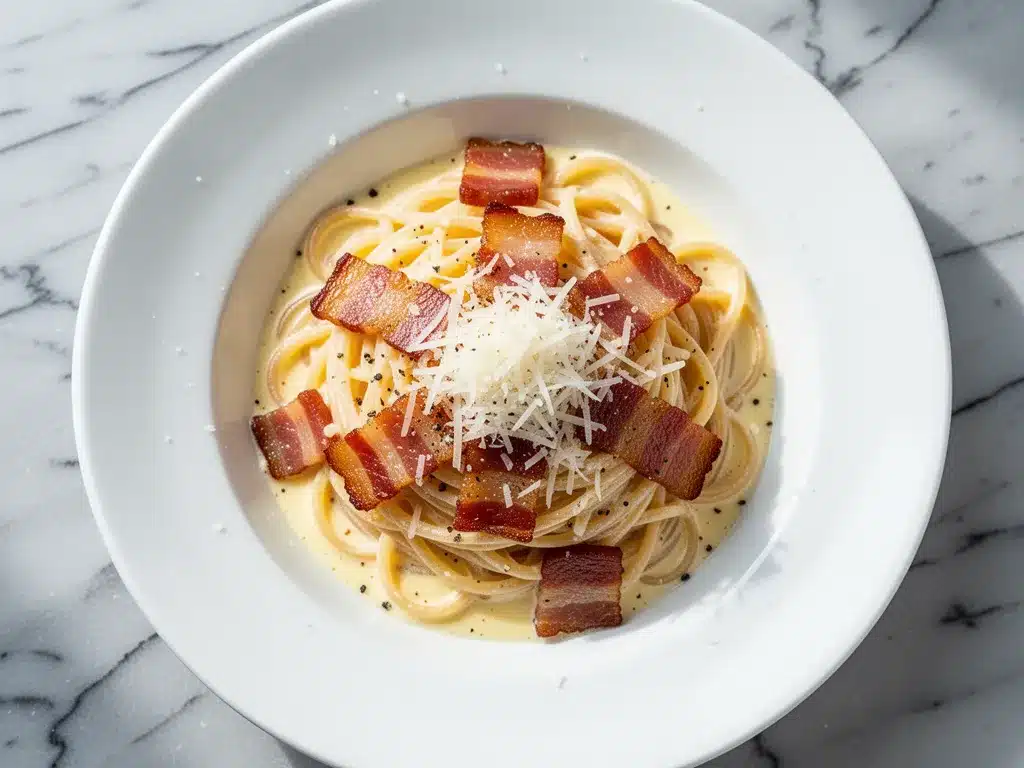
Pecorino Romano (1 cup / 100g, finely grated) — This is a sheep’s milk cheese that is sharp, salty, and tangy. It cuts through the richness of the pork fat perfectly. Do not use Parmesan (Parmigiano-Reggiano) if you want it to be truly authentic. Parmesan is cow’s milk and is milder/sweeter. That said, if you hate Pecorino’s sharp bite, you can use a 50/50 mix of Pecorino and Parmesan. I personally stick to 100% Pecorino for that authentic Roman punch. Make sure you buy a block and grate it yourself. Pre-grated cheese has anti-caking agents that prevent it from melting smoothly, and you’ll end up with grainy bits in your sauce.
The Eggs
Large Eggs (3 whole eggs + 1 yolk) — This is the sauce. No cream. Just eggs. The extra yolk adds richness and helps create that glossy, custard-like texture. Use room temperature eggs if possible. Cold eggs can shock the hot pasta and make the sauce seize up. If you’re short on time, just soak them in warm water for 5 minutes. Use high-quality, fresh eggs. Since they’re going to be slightly cooked by the heat of the pasta, freshness matters for both safety and flavor.
The Pasta & Seasoning
Spaghetti (1 pound / 450g) — Traditional carbonara is made with spaghetti or rigatoni. Spaghetti is classic because the long strands hold the sauce well. Use a good quality dried pasta. I recommend De Cecco or Barilla. They have the right texture to hold up to the heavy sauce. Don’t use whole wheat unless you want a nutty flavor that might clash with the pork.
Freshly Cracked Black Pepper (1-2 teaspoons) — “Carbonara” comes from “carbone” (coal), referencing the black specks of pepper that look like coal dust. You need plenty of it. Use a pepper mill and grind it fresh. Pre-ground pepper loses its aroma and won’t give you that spicy kick.
Salt (for pasta water) — You’ll need about 1 tablespoon of kosher salt for the boiling water. This is the only chance to season the pasta itself.
Common Substitutions
If you can’t find guanciale, use thick-cut bacon. If you can’t find Pecorino, use Parmesan (but it won’t be authentic). If you’re allergic to eggs (rare, but possible), you can try a cashew cream base, but it will be a completely different dish. This recipe is dairy-free if you swap Pecorino for nutritional yeast, but again, it’s not the real thing.
Equipment Needed
You don’t need a fancy kitchen to make this. Here’s what I actually use on my counter.
Large Dutch Oven or Heavy-Bottomed Pot — I use my 6-quart Le Creuset. It holds the pasta water well and keeps heat steady. Any large pot with a lid works. You need enough space for the pasta to move around.
Large Skillet or Sauté Pan — 12-inch is ideal. You need enough surface area to render the fat from the pork and crisp it up. A stainless steel or cast-iron skillet works best because it gets hot. Non-stick is fine, but you won’t get the same fond (browned bits) on the bottom, which adds flavor.
Mixing Bowl — Medium-sized bowl for whisking the eggs and cheese. Glass or ceramic is fine. Don’t use a hot bowl!
Whisk — Essential for breaking up the eggs and incorporating the cheese smoothly. A small balloon whisk works perfectly.
Tongs or Pasta Fork — For tossing the pasta. I love using tongs because they give you better control when mixing the hot pasta with the egg mixture.
Pepper Mill — Freshly cracked pepper is a must. A mill gives you control over the grind size. Coarse grind looks better and provides little bursts of heat.
Microplane or Fine Grater — For the cheese. You want it fine so it melts instantly into the warm eggs. A box grater works, but it takes longer.
Colander — For draining pasta. Or just use the pot lid if you’re feeling old-school.
How to Make It: Step-by-Step
Alright, let’s cook. This process is fast, so have everything ready before you turn on the stove. Here’s exactly how I make this authentic Italian carbonara every time.
Step 1: Prep the Egg Mixture (5 minutes)
While the water boils, whisk your eggs in a mixing bowl. Add the 3 whole eggs and the 1 extra yolk. Whisk vigorously until they are well combined and slightly frothy. This helps distribute the yolk evenly. Then, add the finely grated Pecorino Romano cheese. Whisk again until the cheese is incorporated into the eggs. You should have a thick, yellow paste. Set this aside. Add a generous amount of freshly cracked black pepper to the egg mixture—about 1 teaspoon. This infuses the sauce with pepper flavor.
Step 2: Render the Pork (5-7 minutes)
Place your skillet over medium heat. Add the cubed guanciale (or bacon). Do not add any oil or butter. The pork will release its own fat. Let it cook undisturbed for 2-3 minutes to get some color, then stir. Continue cooking until the pork is golden brown and crispy, and most of the fat has rendered out. You want about 2-3 tablespoons of liquid fat in the pan. If there’s too much fat, spoon some out and save it for another use (like frying potatoes). If there’s too little, you might need to adjust later. Remove the skillet from the heat. This is crucial. You don’t want the pork to burn while you’re dealing with the pasta.
Step 3: Cook the Pasta (8-10 minutes)
Bring a large pot of water to a rolling boil. Add 1 tablespoon of salt. The water should taste like the sea. Add the spaghetti. Cook according to package directions, but start checking it 1-2 minutes early. You want it al dente (firm to the bite). It will finish cooking in the skillet, so don’t overcook it.
CRITICAL STEP: Before draining, scoop out 1 cup of the starchy pasta water. Set it aside. This water is liquid gold. It contains starch that helps emulsify the sauce, turning it from a broken mixture of oil and egg into a creamy, glossy coating.
Step 4: Temper the Eggs (2 minutes)
This is the step where most people mess up, so pay attention. Take a ladle of the hot pasta water (about ½ cup) and slowly drizzle it into the egg and cheese mixture while whisking constantly. This raises the temperature of the eggs gently so they don’t scramble when they hit the hot pasta. Whisk until the mixture is smooth and slightly thinner.
Step 5: The Toss (2 minutes)
Transfer the hot, drained pasta directly into the skillet with the crispy pork and rendered fat. Do not rinse the pasta. The starch on the surface is good. Toss the pasta in the hot skillet for 30 seconds to coat it in the pork fat. Now, remove the skillet from the heat entirely. Let it cool for 30 seconds. You don’t want a hot pan cooking the eggs into scrambled bits.
Pour the egg and cheese mixture over the pasta. Immediately start tossing and stirring with your tongs. The residual heat of the pasta and the fat will cook the eggs gently, creating a creamy sauce. If the sauce looks too thick or clumpy, add a splash of the reserved pasta water. Keep tossing until the sauce is glossy and coats every strand. It should look like a creamy custard, not a soup.
Step 6: Serve Immediately
Plate the carbonara right away. Top with extra Pecorino Romano and a final crack of black pepper. It’s best eaten hot, straight from the pan. If you let it sit, the sauce will continue to thicken and the pasta will clump.
Expert Tips & Tricks
I’ve made this recipe dozens of times, and I’ve made every mistake in the book. Here’s what I’ve learned to ensure your authentic Italian carbonara is perfect.
The Heat is Your Enemy
The biggest mistake people make is leaving the pan on the heat when adding the eggs. Eggs curdle at 150°F (65°C). If the pan is still hot, you’ll get scrambled eggs. Always remove the pan from the burner before adding the egg mixture. If the pan feels hot to the touch, wait. Let it cool for a minute. The pasta is hot enough to cook the eggs.
Save the Pasta Water
I can’t stress this enough. That starchy water is what makes the sauce emulsify. Without it, you’ll have separate pools of oil and egg. Keep a measuring cup ready while the pasta boils. If your sauce looks dry or oily, add pasta water a tablespoon at a time while tossing.
Grate Your Own Cheese
Pre-grated cheese is coated in cellulose to prevent clumping. This stops it from melting smoothly. You’ll end up with little white chunks in your sauce. Buy a wedge of Pecorino Romano and grate it fine. It takes 2 minutes and makes a huge difference in texture.
Use Room Temperature Eggs
Cold eggs hitting hot pasta can shock the system. Take your eggs out of the fridge 15 minutes before cooking. If you forget, soak them in warm water for 5 minutes. It helps create a smoother emulsion.
Don’t Skimp on the Pepper
The black pepper is visible and flavorful. Use a pepper mill and grind it coarsely. You want to see the specks. It adds a necessary heat to balance the rich pork and cheese.
Variations & Substitutions
Once you’ve mastered the basic version, here’s how you can tweak it. I’ve tried these variations, and they all work.
Bacon Carbonara
If you can’t find guanciale, use thick-cut bacon. Cut it into small lardons. It’s smokier and less fatty than guanciale, but it’s widely available and still delicious. I use this version when I’m in a rush.
Rigatoni Carbonara
Instead of spaghetti, use rigatoni or penne. The tubular shape holds the sauce and bits of pork in the ridges. It’s a bit more rustic and hearty. I love this version for weekend dinners.
Vegetarian Carbonara
Skip the pork. Sauté some mushrooms or broccoli rabe in the pan before adding the pasta. Add a splash of olive oil to replace the pork fat. It’s lighter but still creamy and satisfying. I make this when I want a lighter meal.
Gluten-Free Carbonara
Use gluten-free spaghetti. Brown rice or corn-based pasta works well. Just be careful not to overcook it, as GF pasta can get mushy quickly. The technique remains the same.
Dairy-Free Option
This is tricky because the sauce relies on eggs and cheese. You can try using nutritional yeast instead of Pecorino and a splash of olive oil instead of pork fat. It won’t be the same, but it’s a workaround. I haven’t perfected a fully vegan version that tastes authentic, but I’m working on it.
Serving & Storage
Carbonara is best served immediately. It’s not a dish that reheats well in the traditional sense.
How to Serve
I usually serve this straight from the skillet at the table. It’s rustic and keeps the pasta warm. Pair it with a simple green salad with lemon vinaigrette to cut the richness. A crisp Pinot Grigio or a light red like Chianti is perfect. Avoid heavy wines; they’ll overwhelm the delicate flavors.
Leftovers
Honestly, carbonara leftovers are best eaten cold or at room temperature. The sauce firms up in the fridge, and reheating it often results in scrambled eggs. If you must reheat it, add a splash of milk or cream and warm it gently on low heat, stirring constantly. Don’t use a microwave. It’ll turn into rubber.
Storage
Store leftovers in an airtight container in the fridge for up to 2 days. The pasta will absorb the sauce, so it will look dry. That’s normal. Just add liquid when reheating.
Freezing
Do not freeze carbonara. The eggs and cheese will separate and become grainy. It’s not worth it. Make it fresh.
Nutrition Information
I’m not a nutritionist, but here’s the breakdown if you’re tracking. Keep in mind that this is a rich dish, so portion control is key.
Per Serving (based on 4 servings):
- Calories: 580
- Protein: 22g
- Carbs: 70g
- Fiber: 3g
- Sugar: 2g
- Fat: 22g
- Saturated Fat: 8g
- Sodium: 650mg
This dish is high in protein and carbs, with moderate fat. It’s not a diet food, but it’s made with real ingredients. If you want to lighten it up, use turkey bacon and low-fat cheese, but you’ll lose the authentic experience. I say enjoy it as is. It’s worth the calories.
Final Thoughts
So there you have it. My take on the authentic Italian carbonara. It’s simple, it’s risky if you’re nervous about raw eggs (but the heat cooks them), and it’s absolutely delicious. I’ve made this recipe so many times that it’s now muscle memory. I don’t even measure the eggs anymore. I just know how much cheese goes with how many yolks.
This dish has saved me on nights when I’m tired and don’t want to order takeout. It’s elegant but easy. It’s a reminder that sometimes, the best food comes from the fewest ingredients. Your friends will be impressed. Your family will be happy. And you’ll feel like a pro.
If you try this, let me know how it goes. Did you use guanciale or bacon? Did you save the pasta water? (I hope you did.) Drop a comment below. I love hearing from you. And if you’re looking for more easy weeknight dinners, check out my creamy garlic parmesan orzo or my creamy southern pasta salad. They’re also crowd-pleasers.
Happy cooking! And remember: no cream. Ever.
Frequently Asked Questions
Why is my carbonara scrambled?
This happens when the pan is too hot when you add the egg mixture. The eggs cook too fast and curdle. Always remove the pan from the heat before adding the eggs. Let it cool for 30 seconds. If your eggs are cold, they’ll cook slower. Use room temperature eggs. If it’s already scrambled, it’s still edible, but the texture won’t be creamy. Next time, be more careful with the heat.
Can I use bacon instead of guanciale?
Yes. Guanciale is traditional, but bacon is widely available. Use thick-cut, uncured bacon. Avoid smoked bacon if possible, as the smoke flavor can overpower the delicate egg sauce. The texture will be slightly different, but it will still be delicious.
Why is my carbonara too thick?
This means you didn’t add enough pasta water. The starch in the water helps emulsify the sauce and thin it out. Add pasta water a tablespoon at a time while tossing the pasta. Keep tossing until it reaches a creamy, glossy consistency.
Why is my carbonara too thin?
You might have added too much pasta water, or the eggs weren’t cooked enough. Let the pasta sit in the pan for a minute. The residual heat will thicken the sauce. If it’s still too thin, you can add a little more grated cheese to help bind it.
Can I make this ahead of time?
No. Carbonara is best made fresh. The sauce continues to thicken as it cools, and the pasta will clump. If you’re hosting a dinner party, prep the ingredients beforehand (cut the pork, grate the cheese, whisk the eggs), but cook the pasta and toss it right before serving.
Is it safe to eat raw eggs in carbonara?
Technically, the eggs are cooked by the heat of the pasta and the pan. The temperature should reach at least 150°F (65°C), which kills salmonella. However, if you’re pregnant, elderly, or immunocompromised, you should use pasteurized eggs to be safe. Most people eat it without issue, but use your judgment.
Can I freeze carbonara?
No. The eggs and cheese will separate and become grainy when thawed. It’s not worth it. Make it fresh. If you have leftovers, store them in the fridge for up to 2 days.
Pin This Recipe!
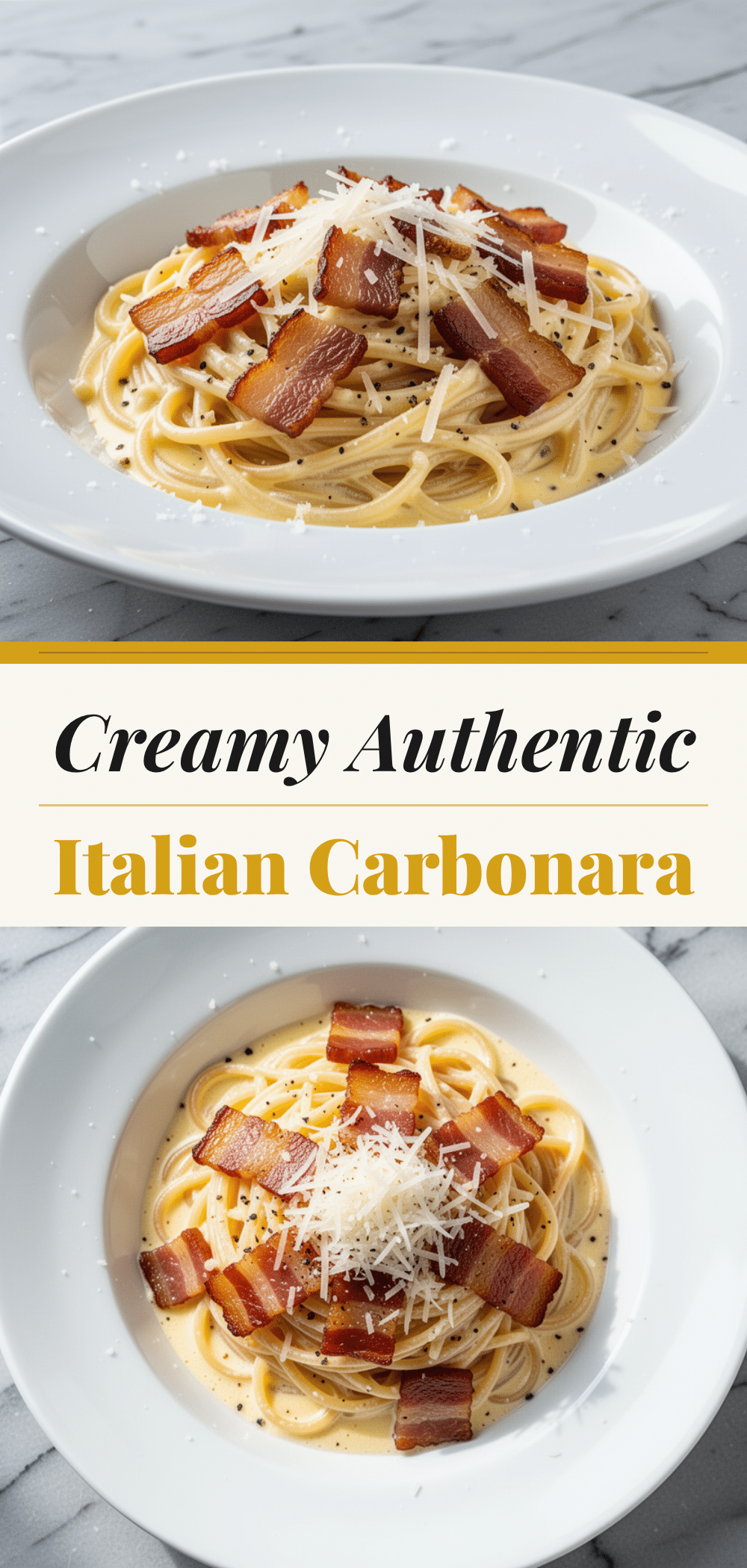
Authentic Italian Carbonara: Best 4-Ingredient Pasta
- Total Time: 20 minutes
- Yield: 4 servings 1x
Description
An authentic Roman pasta dish made with just four ingredients: guanciale, pecorino romano, eggs, and black pepper. This recipe skips the cream for a silky, emulsified sauce that is rich, savory, and ready in 20 minutes.
Ingredients
- 8 ounces (225g) guanciale, cubed (or thick-cut bacon)
- 1 cup (100g) Pecorino Romano cheese, finely grated
- 3 large eggs + 1 large egg yolk
- 1 pound (450g) spaghetti
- 1–2 teaspoons freshly cracked black pepper
- 1 tablespoon kosher salt (for pasta water)
Instructions
- Whisk the 3 whole eggs and 1 yolk in a mixing bowl until frothy. Add the grated Pecorino Romano and 1 teaspoon of black pepper, whisking until a thick paste forms. Set aside.
- Place a large skillet over medium heat. Add the cubed guanciale (no oil needed). Cook undisturbed for 2-3 minutes, then stir. Continue cooking until golden brown and crispy, with 2-3 tablespoons of rendered fat in the pan. Remove skillet from heat.
- Bring a large pot of water to a rolling boil. Add 1 tablespoon of salt. Cook spaghetti until al dente, checking 1-2 minutes before package directions indicate.
- Before draining, reserve 1 cup of starchy pasta water.
- Transfer the hot, drained pasta directly into the skillet with the pork and fat. Toss for 30 seconds to coat.
- Remove the skillet from the heat and let it cool for 30 seconds. Slowly drizzle ½ cup of hot pasta water into the egg mixture while whisking constantly to temper the eggs.
- Pour the tempered egg mixture over the pasta. Immediately toss and stir vigorously with tongs. The residual heat will cook the eggs gently into a creamy sauce. Add more pasta water if needed to reach a glossy consistency.
- Serve immediately, topped with extra Pecorino Romano and black pepper.
Notes
Do not use cream in authentic carbonara. The creaminess comes from emulsifying eggs, cheese, and starchy pasta water. Ensure the pan is off the heat when adding the egg mixture to prevent scrambling. Use room temperature eggs for best results. If guanciale is unavailable, use thick-cut uncured bacon. Do not freeze this dish as the eggs will separate.
- Prep Time: 5 minutes
- Cook Time: 15 minutes
- Category: Main Course
- Cuisine: Italian
Nutrition
- Serving Size: 1 plate (approx. 1/4
- Calories: 580
- Sugar: 2
- Sodium: 650
- Fat: 22
- Saturated Fat: 8
- Carbohydrates: 70
- Fiber: 3
- Protein: 22
Keywords: Italian carbonara, authentic carbonara, guanciale recipe, pasta with eggs, roman pasta, gluten-free pasta, weeknight dinner, 4-ingredient recipe


