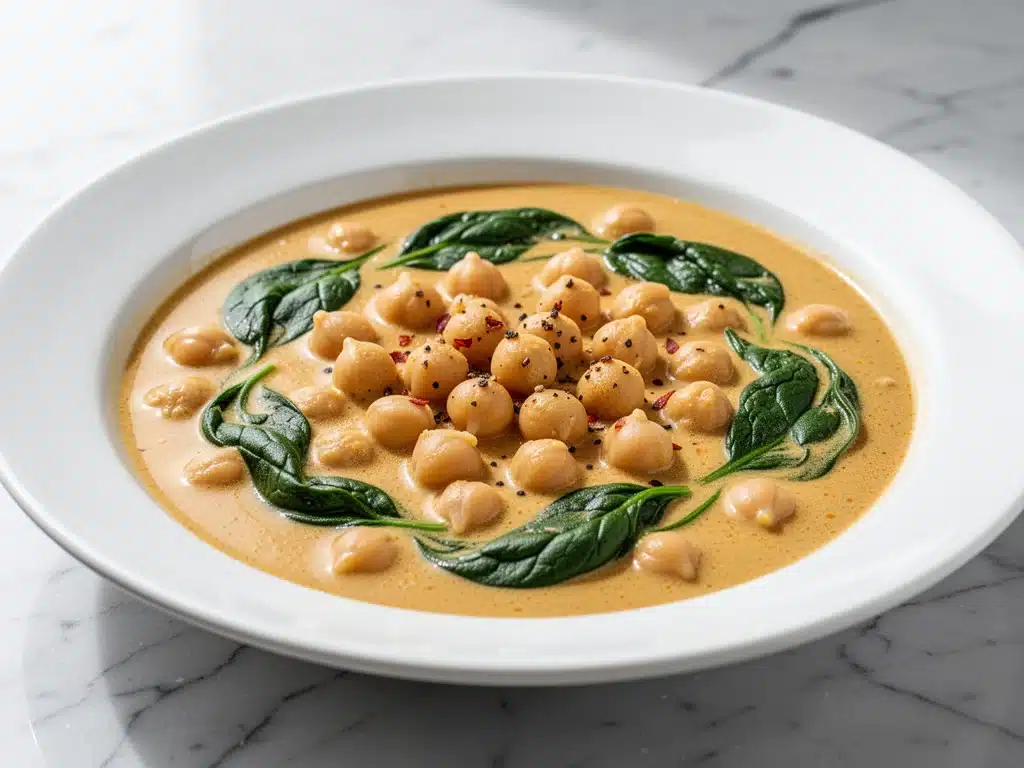
Last Tuesday, I was standing in my kitchen at 6:45 PM, staring into the refrigerator like it held the secrets to the universe. The light flickered. There was a lonely half-cup of coconut milk, two cans of chickpeas that had been sitting there since last month’s meal prep, and a bag of spinach that was starting to look a little sad. I was exhausted. My brain was fried. The idea of chopping vegetables, managing multiple pans, and cleaning up a mountain of dishes felt impossible.
I didn’t want takeout. I wanted to cook. But I also wanted to be in bed by 9 PM. That’s when I remembered the can of chickpeas. I dumped them into a pot, threw in the coconut milk, tossed in whatever spices were lingering in the back of my cabinet, and let it simmer. Twenty minutes later, my kitchen smelled like a Thai restaurant, and my family was asking for seconds.
This vegan creamy coconut chickpea curry has become my absolute go-to when I have zero energy but still want to eat something that tastes like I cared. It’s rich, it’s comforting, and it’s genuinely easy. I’ve made this at least fifteen times in the last six months, tweaking the spice levels and swapping out vegetables based on what’s in season. It’s become the backbone of our weeknight dinners, right alongside my Mediterranean chickpea salad for those nights when I want something cold and fresh instead of hot and hearty.
If you’ve been looking for a plant-based dinner that doesn’t taste like cardboard or require a trip to a specialty grocery store, this is it. It’s creamy without heavy cream, hearty without meat, and ready in the time it takes to boil water. Let me show you how to make it.
Why You’ll Love This Curry
There are about ten reasons I keep coming back to this vegan creamy coconut chickpea curry, but if I had to narrow it down, these are the big ones:
- Stupid Simple — Seriously, if you can open a can and dump ingredients into a pot, you can make this. I’ve walked my teenage nephew through it over the phone while I was at work. No fancy techniques required.
- Lightning Fast — From fridge to fork in about 20 minutes. I’m talking 5 minutes of prep, 15 minutes of simmering. It’s faster than waiting for a pizza delivery driver to knock on the door.
- Pantry-Friendly — You probably have 90% of these ingredients already. Coconut milk, chickpeas, curry powder, onion, garlic. It’s the ultimate “I have nothing but can make dinner” meal.
- Crowd-Pleaser — I’ve served this to my meat-loving husband, my vegan sister, and my picky eater cousin. Everyone loved it. The creamy texture masks the fact that it’s basically vegetables and beans, which is a win in my book.
- Budget-Smart — This feeds 4-6 people for under $10. That’s less than the cost of one meal at a mid-range restaurant. When inflation hits, this recipe is my best friend.
- Meal Prep Hero — It tastes even better the next day. The flavors meld together overnight, and I deliberately make extra for lunch. It reheats beautifully in the microwave.
This is my answer to “what’s for dinner?” when I’m tired, stressed, or just don’t feel like thinking. It’s reliable, delicious, and makes everyone happy without breaking the bank.
Ingredients You’ll Need
Here’s the best part: this recipe doesn’t require a trip to a fancy market. I’m particular about a few things, but mostly, you just need basics. Here’s what you’ll need to grab:
For the Curry Base
Coconut milk (2 cans, 13.5 oz each / 400ml) — Use full-fat canned coconut milk, not the carton stuff. You need the fat for that creamy texture. Shake the can before opening. If it’s separated, that’s normal—just stir it in.
Yellow onion (1 medium, diced / about 150g) — Sweet onions work too, but yellow gives better depth. I dice mine small so it melts into the sauce.
Garlic (4 cloves, minced / about 2 tablespoons) — Fresh only. No jarred garlic in this recipe. It makes a huge difference in the flavor profile.
Ginger (1 tablespoon, fresh grated / about 5g) — Or 1 teaspoon ground ginger if you’re in a rush. Fresh is better, but I don’t judge if you use ground.
Curry powder (2-3 tablespoons) — I use a mild to medium curry powder. If you like heat, add red pepper flakes. I always keep a jar of this in my pantry.
The Protein & Veggies
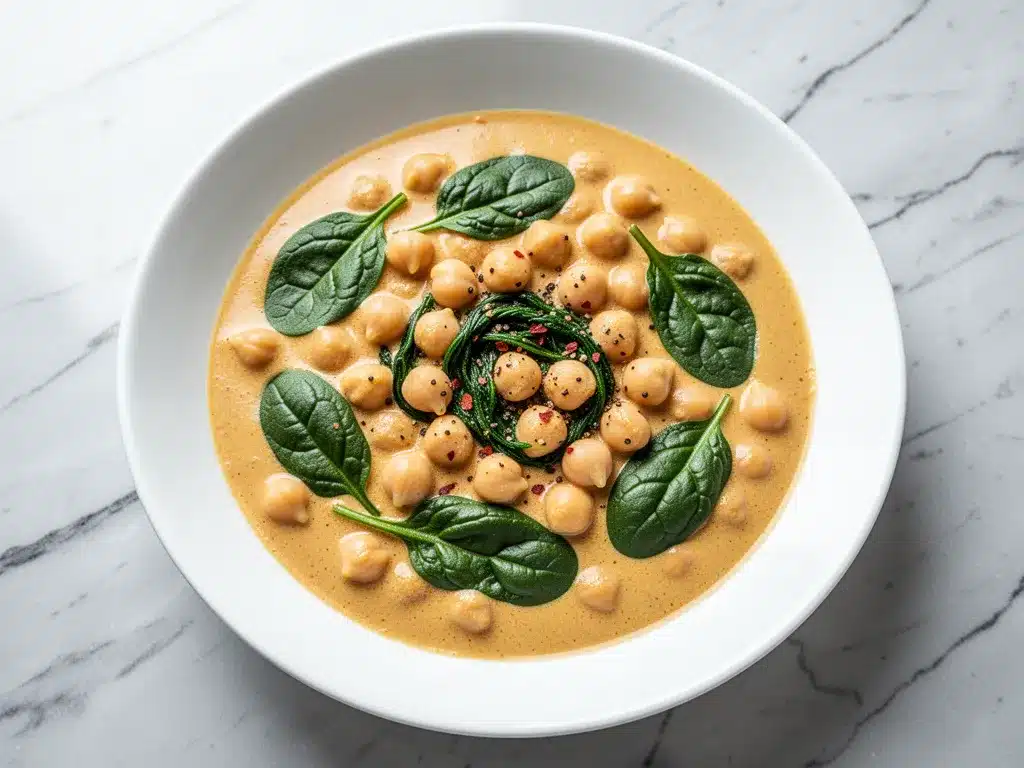
Chickpeas (2 cans, 15 oz each / 425g) — Drain and rinse well. This removes the excess sodium and that weird canning liquid. You can use dried chickpeas if you soak them overnight, but canned is way easier for weeknights.
Spinach (4 cups / 120g) — Fresh baby spinach. It wilts down to nothing and adds a nice pop of color and nutrients. You can also use kale or chard if you prefer.
Tomatoes (1 can, 14 oz / 400g) — Diced tomatoes, undrained. They add acidity and body to the sauce. Crushed tomatoes work too.
The Flavor Boosters
Coconut oil (2 tablespoons) — Or any neutral oil like avocado or canola. Coconut oil adds a nice subtle flavor, but it’s not mandatory.
Vegetable broth (½ cup / 120ml) — Low-sodium is best so you can control the salt. I keep a carton of this in the fridge.
Salt (1 teaspoon, or to taste) — Taste as you go. Chickpeas and broth can vary in sodium, so adjust accordingly.
Lime juice (1 tablespoon) — This is the secret weapon. The acidity cuts through the richness of the coconut and brightens everything up. Don’t skip it.
Optional Add-ins: I love adding sweet potatoes (cubed) or cauliflower florets. I also sometimes throw in some butternut squash if I want it to feel more substantial. It’s similar to my vegan squash soup, but with chickpeas for protein.
Equipment Needed
You don’t need fancy equipment for this. Here’s what I actually use:
Large pot or Dutch oven — I use a 6-quart pot. It needs to hold the coconut milk, chickpeas, and veggies comfortably. My heavy-bottomed pot keeps the heat even so the curry doesn’t scorch.
Wooden spoon — For stirring. Silicone works too. Don’t use metal if your pot is non-stick.
Colander — For rinsing the chickpeas. If you’re using dried chickpeas, you’ll need this too.
Knife and cutting board — For the onion, garlic, and ginger. Keep it simple.
Measuring cups and spoons — Pretty standard stuff. Dollar store versions work fine.
Optional but nice: A microplane for grating fresh ginger quickly. I also use a lime zester if I want some zest, but the juice is the main event here.
How to Make It: Step-by-Step
Alright, let’s make this! I’m walking you through exactly how I do it, including the little tricks I’ve picked up over the years.
Step 1: Prep Your Ingredients (5 minutes)
Before you start cooking, dice your onion, mince your garlic, and grate your ginger. Drain and rinse your chickpeas thoroughly. This is crucial—it removes the starchy liquid that can make the curry taste metallic. Set everything out in bowls. Once you start cooking, things move fast, and you don’t want to be chopping while the onions are burning.
Step 2: Sauté the Aromatics (3-4 minutes)
Heat the coconut oil in your large pot over medium heat. Add the diced onion and cook for 3-4 minutes until it’s soft and translucent. Don’t rush this step. You want the onion to sweeten, not brown. Add the garlic and ginger and cook for another minute, stirring constantly. The kitchen should start smelling amazing. If the garlic starts to brown, lower the heat immediately.
Step 3: Bloom the Spices (1-2 minutes)
Add the curry powder to the pot. Stir it into the onions and garlic for about 1 minute. This step is called “blooming” the spices, and it releases their essential oils, making the flavor much more vibrant. You’ll notice the smell intensify. Be careful not to burn the spices—if they smell bitter, you’ve gone too long.
Step 4: Build the Sauce (5 minutes)
Pour in the canned tomatoes (with their juices) and the vegetable broth. Stir well to scrape up any bits from the bottom of the pot. Let it simmer for 2 minutes. Then, add the full cans of coconut milk. Stir everything together until it’s smooth and creamy. The sauce should look pale yellow and rich.
Step 5: Add the Chickpeas (10 minutes)
Add the drained chickpeas to the pot. Stir them into the sauce. Let it come to a gentle simmer, then reduce the heat to low. Cover the pot and let it cook for 10 minutes. This allows the chickpeas to absorb the flavors of the curry. If you’re adding vegetables like sweet potatoes or cauliflower, add them now. They’ll need the full 10 minutes to cook through.
Step 6: Finish with Greens and Lime (2 minutes)
Remove the lid. Stir in the fresh spinach. It will wilt down in about 30 seconds. Once the spinach is wilted, remove the pot from the heat. Stir in the lime juice and taste the curry. Add salt if needed. The lime juice is key—it brightens the heavy coconut flavor. If it tastes flat, it probably needs more lime or salt.
Step 7: Serve
Serve immediately over fluffy basmati rice or with warm naan bread. I usually garnish with fresh cilantro and a squeeze of extra lime. It’s ready to eat!
Total Time: About 20-25 minutes (5 minutes active, 15-20 minutes simmering)
Expert Tips & Tricks
Here’s everything I’ve learned from making this dozens of times. These tips will save you from my mistakes.
Save That Starch Water
If you’re using dried chickpeas, save some of the cooking water. It’s starchy and can help thicken the sauce if it’s too thin. If you’re using canned, just reserve a little of the rinsing water—it’s not as starchy, but it can help.
Don’t Skimp on Acid
Coconut milk is rich and heavy. Without acid, the curry can taste cloying. The lime juice is non-negotiable for me. If you don’t have lime, lemon juice or a splash of apple cider vinegar works too.
Bloom Your Spices
Adding spices to hot oil before adding liquids is the secret to restaurant-quality curry. It unlocks the flavors. If you just dump curry powder into water, it tastes dusty. Cook it first.
Control the Heat
Curry powder varies in heat. If you’re sensitive to spice, start with 2 tablespoons and add more later. If you like it hot, add a teaspoon of cayenne or red pepper flakes when you add the curry powder.
Common Mistakes
Mistake: Sauce is too thin. Fix: Let it simmer uncovered for 5 more minutes. Or mash some of the chickpeas against the side of the pot to release starch.
Mistake: Curry tastes bland. Fix: It probably needs salt or acid. Taste and adjust. Most people under-salt curries.
Mistake: Chickpeas are mushy. Fix: Don’t cook them too long. If you’re using canned chickpeas, 10 minutes is plenty. If you want them firmer, add them in the last 5 minutes.
Variations & Substitutions
Once you’ve nailed the basic version, here’s how you can mix it up. I’ve tried all of these.
Veggie-Loaded
Add 1 cup of diced sweet potatoes, cauliflower, or broccoli when you add the chickpeas. Sweet potatoes add natural sweetness that pairs beautifully with the coconut. I love this version in the fall.
Protein-Packed
Add 1 cup of cooked lentils or chickpeas are already high in protein, but if you want more, lentils work great. I sometimes add a can of black beans for a different flavor profile.
Spicy Kick
Add 1 teaspoon of cayenne pepper or a diced fresh jalapeño when you sauté the onions. If you like heat, this is the way to go.
Tomato-Free
Skip the tomatoes and add an extra can of coconut milk and a splash of water. It’s a yellow curry, similar to a Thai yellow curry. Add some fish sauce (or soy sauce) for umami.
Dietary Modifications
Gluten-Free — This recipe is naturally gluten-free. Just make sure your curry powder and vegetable broth are certified GF.
Oil-Free — Skip the coconut oil and sauté the onions in a splash of water or vegetable broth. It’s not as flavorful, but it works.
Lower-Fat — Use light coconut milk instead of full-fat. The curry will be thinner and less rich, but still tasty. I use this version when I’m trying to be “healthy.”
Serving & Storage
How to Serve
I usually serve this straight from the pot, ladled over basmati rice. It’s rustic and comforting. But here are other ways I’ve enjoyed it:
- Naan Bread — Warm naan is perfect for scooping up the curry. I buy it frozen and toast it in the oven.
- Quinoa — For a higher-protein grain option, serve it over quinoa.
- Avocado — Sliced avocado on top adds creaminess and healthy fats.
- Fresh Cilantro — Chopped cilantro adds a fresh, herbal note that cuts through the richness.
Storage Instructions
Refrigerator: Store in an airtight container for up to 4 days. The flavors actually get better after a day or two.
Reheating: Best method: Add to a saucepan with a splash of water or coconut milk over low heat. Stir until heated through. The sauce will thicken in the fridge, so the extra liquid helps thin it back out. Microwave method: Heat in 1-minute intervals, stirring between. Add a splash of water if it’s too thick.
Freezing: This curry freezes well for up to 3 months. Thaw in the fridge overnight and reheat gently. The coconut milk might separate slightly, but stirring it while reheating will bring it back together.
Nutrition Information
I’m not a nutritionist, but here’s the breakdown if you’re tracking.
Per Serving (based on 6 servings):
- Calories: 320
- Protein: 10g
- Carbs: 35g
- Fiber: 8g
- Sugar: 6g
- Fat: 18g
- Saturated Fat: 14g
- Sodium: 450mg
What’s Good: High in fiber and protein from the chickpeas. Good source of iron and folate. The coconut milk provides healthy fats, though it’s high in saturated fat.
What to Know: Higher in calories from the coconut milk. If you’re watching calories, use light coconut milk or reduce the portion size. It’s nutrient-dense, so it’s filling.
Final Thoughts
So that’s my go-to vegan creamy coconut chickpea curry! I’ve probably talked your ear off at this point, but when you make a recipe this often, you have a lot to say about it.
This has saved weeknight dinners more times than I can count. It’s my answer to “what’s for dinner?” when I’m tired, don’t want takeout, and still want something that tastes really good. My family is happy, I’m happy because I’m not stressed about cooking, and my wallet is happy because it’s so cheap.
Make it yours! Try different add-ins, swap in your favorite vegetables, adjust the spice level. The best recipes are the ones you adapt to your family’s tastes. If you make this, drop a comment and let me know what you think! I love hearing how recipes turn out in your kitchen. And if something doesn’t work, tell me that too—I’m here to help troubleshoot.
Happy cooking! And I hope your kitchen smells half as good as mine does right now.
Frequently Asked Questions
Can I use milk instead of coconut milk?
You can, but the texture and flavor will be very different. Coconut milk provides the creaminess and richness that defines this curry. If you must use milk, use full-fat dairy milk or oat milk, but add a tablespoon of cornstarch to thicken it. It won’t be the same, but it’ll work in a pinch. I don’t recommend almond milk—it’s too thin.
Why did my curry turn out watery?
Usually, this means you didn’t let it simmer long enough, or you added too much liquid. Let the curry simmer uncovered for 10-15 minutes to reduce the sauce. You can also mash some of the chickpeas against the side of the pot to release starch and thicken it naturally.
Can I make this ahead for a dinner party?
Absolutely. This curry tastes even better the next day. Make it up to 2 days ahead and store in the fridge. Reheat gently on the stove, adding a splash of water or coconut milk to thin it out. It’s a great option for meal prep or feeding a crowd.
How do I reheat leftovers without it getting dry?
Add a splash of water, vegetable broth, or coconut milk to a saucepan, add your leftover curry, and heat gently over low heat, stirring frequently. The extra liquid brings back the creamy texture. Microwave sort of works but tends to dry it out. If you do microwave, definitely add a splash of liquid first and heat in short bursts, stirring between.
Can I double this recipe?
Yes! Double everything and use your biggest pot. The cooking times stay the same. I do this when I’m meal-prepping or feeding a crowd. Just make sure your pot is big enough to hold the extra volume without boiling over.
Is this curry spicy?
It depends on your curry powder. Most store-bought curry powders are mild to medium. If you like heat, add red pepper flakes or cayenne pepper. If you’re sensitive to spice, start with 2 tablespoons of curry powder and taste as you go.
Can I use dried chickpeas?
Yes, but you’ll need to soak them overnight and then cook them for 45-60 minutes before adding them to the curry. It’s much easier to use canned chickpeas for a weeknight dinner, but dried chickpeas have a better texture if you have the time.
Pin This Recipe!
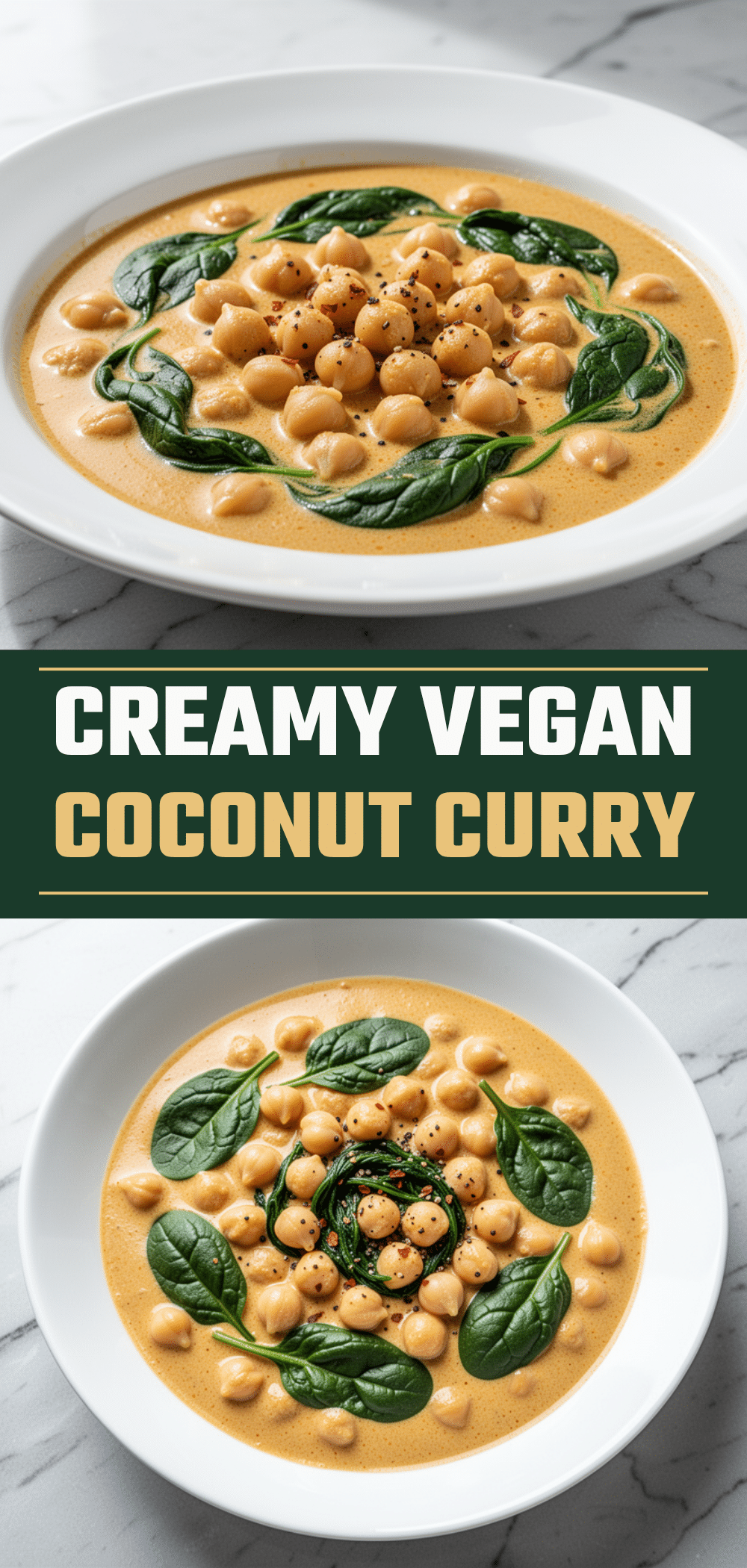

Vegan Creamy Coconut Chickpea Curry: Easy Weeknight Dinner
- Total Time: 20 minutes
- Yield: 6 servings 1x
Description
A rich, comforting, and plant-based curry made with chickpeas and coconut milk. It’s ready in about 20 minutes, requires minimal prep, and is perfect for busy weeknights.
Ingredients
- 2 cans (13.5 oz each) full-fat coconut milk
- 1 medium yellow onion, diced
- 4 cloves garlic, minced
- 1 tablespoon fresh ginger, grated
- 2–3 tablespoons curry powder
- 2 cans (15 oz each) chickpeas, drained and rinsed
- 4 cups fresh baby spinach
- 1 can (14 oz) diced tomatoes, undrained
- 2 tablespoons coconut oil
- 1/2 cup vegetable broth
- 1 teaspoon salt, or to taste
- 1 tablespoon lime juice
Instructions
- Dice the onion, mince the garlic, and grate the ginger. Drain and rinse the chickpeas thoroughly.
- Heat the coconut oil in a large pot over medium heat. Add the diced onion and cook for 3-4 minutes until soft and translucent.
- Add the garlic and ginger to the pot and cook for another minute, stirring constantly.
- Add the curry powder and stir into the aromatics for about 1 minute to bloom the spices.
- Pour in the canned tomatoes and vegetable broth. Stir to scrape up any bits from the bottom and simmer for 2 minutes.
- Add the full cans of coconut milk and stir until the sauce is smooth and creamy.
- Add the drained chickpeas to the pot. Bring to a gentle simmer, then reduce heat to low, cover, and cook for 10 minutes.
- Remove the lid and stir in the fresh spinach. Cook until wilted, about 30 seconds.
- Remove from heat and stir in the lime juice. Taste and add salt if needed.
- Serve immediately over basmati rice or with warm naan bread.
Notes
If the sauce is too thin, let it simmer uncovered for 5 more minutes or mash some chickpeas against the side of the pot. If using dried chickpeas, soak overnight and cook for 45-60 minutes before adding. The curry tastes even better the next day as flavors meld.
- Prep Time: 5 minutes
- Cook Time: 15 minutes
- Category: Main Course
- Cuisine: Vegan
Nutrition
- Serving Size: 1 bowl with rice or
- Calories: 320
- Sugar: 6
- Sodium: 450
- Fat: 18
- Saturated Fat: 14
- Carbohydrates: 35
- Fiber: 8
- Protein: 10
Keywords: vegan curry, chickpea curry, coconut curry, weeknight dinner, easy vegan recipe, plant-based dinner, creamy curry, gluten-free


