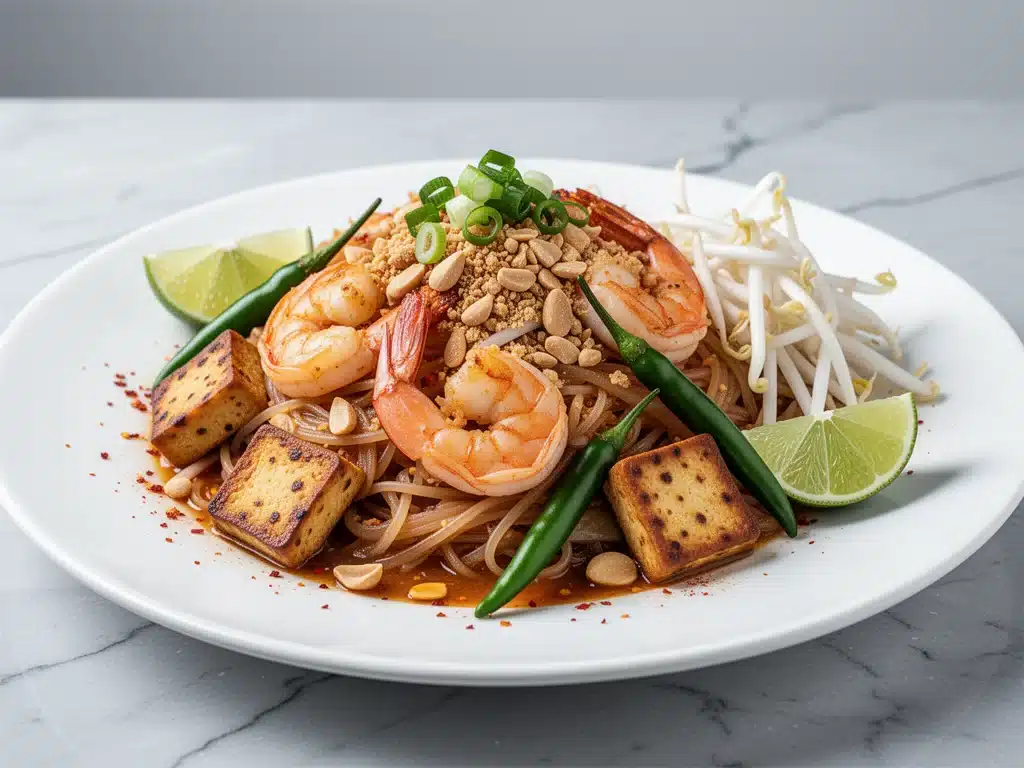
I have a confession to make. For years, I thought I hated Pad Thai. Or at least, I thought I hated the version I kept making at home. It was always a sad, soggy mess. The noodles stuck together in a clumpy ball, the sauce was either too sweet to be palatable or too salty to finish, and the “tangy” tamarind flavor was completely missing. It felt like I was trying to solve a puzzle with half the pieces missing, and every time I ordered takeout, I’d get that perfect balance of sweet, sour, salty, and savory that I just couldn’t replicate.
That changed last month. I was craving something that hit all those flavor notes—something that felt indulgent but didn’t leave me feeling like a human balloon by 8 PM. I decided to stop guessing and actually learn the technique. I spent a weekend testing five different versions of restaurant-style pad thai, burning my fingers on hot woks, and tasting enough bean sprouts to fill a small pond. The result? A recipe that is finally, genuinely good. It’s the kind of easy pad thai recipe that makes your kitchen smell like a Bangkok street stall and has your family asking for seconds before the plates are even empty.
What I love most about this version is that it’s not about fancy, hard-to-find ingredients. It’s about technique. It’s about getting that tamarind sauce just right so it coats every noodle without turning into glue. I’ve tested this at least a dozen times now, tweaking the ratio of fish sauce to brown sugar until it was perfect. And honestly? It’s now my go-to weeknight dinner when I want something that feels special but comes together in 20 minutes flat. If you’ve ever been intimidated by the idea of making Thai food at home, this is the one to start with.
Why You’ll Love This Restaurant-Style Pad Thai
There are a lot of reasons to add this to your rotation, but let’s be real—you’re here because you want dinner to work. You want flavor without the fuss. Here’s why this specific version of pad thai with tangy tamarind sauce has become a staple in our house:
- Authentic Flavor Balance — Most home recipes lean too sweet. This one nails the sweet-sour-salty trifecta. The tamarind provides that deep, fruity tang that you can’t get from vinegar alone, and the fish sauce adds savory depth without tasting “fishy.”
- Speedy Weeknight Hero — From soaking noodles to plating, it takes about 20-25 minutes. It’s faster than waiting for delivery, cheaper than takeout, and tastes better. I make this on Tuesday nights when I’m tired but refuse to eat cereal.
- Flexible Protein Options — Whether you love shrimp, chicken, or tofu, this recipe adapts. The sauce clings to everything equally well. I often use leftover rotisserie chicken to save even more time.
- Texture Perfection — The secret isn’t just the sauce; it’s the noodles. Using the right rice noodles and the right cooking method gives you that signature chewy-but-not-mushy bite. Plus, the crunch from fresh bean sprouts and crushed peanuts at the end is non-negotiable.
- One-Wok Wonder — You only need one large skillet or wok. Cleanup is a breeze. No stacking pots and pans while you’re trying to get dinner on the table.
This is comfort food with a kick. It’s vibrant, colorful, and satisfying in a way that heavy cream-based pastas just aren’t. It’s my answer to “what’s for dinner” when I want something exciting but manageable.
Ingredients You’ll Need for the Perfect Sauce and Noodles
Before we dive into the cooking, let’s talk about what goes into this. The ingredient list might look slightly long, but most of it is pantry staples or quick grocery store runs. The magic really happens in that tamarind sauce.
For the Tangy Tamarind Sauce
Tamarind paste (3 tablespoons) — This is the star. Look for concentrate in the tube or a block in the produce section. Avoid the sweetened “cocktail” tamarind drinks; you want pure paste. It provides that distinct sourness.
Light brown sugar (2-3 tablespoons) — I use brown sugar because it has molasses notes that complement the tamarind. White sugar works, but brown adds better depth. Adjust based on how sweet your tamarind is.
Fish sauce (2-3 tablespoons) — This is the salty, umami backbone. I use Red Boat or Squid Brand. If you hate the smell of fish sauce, don’t worry—it doesn’t make the dish taste like fish. It just tastes savory. Soy sauce is a sub, but you lose some complexity.
White vinegar (1 tablespoon) — Rice vinegar works too, but distilled white vinegar gives that sharp punch typical of street-style pad thai. It cuts through the richness.
Water (2-3 tablespoons) — To thin the sauce so it coats the noodles evenly without being too thick.
For the Noodles and Stir-Fry
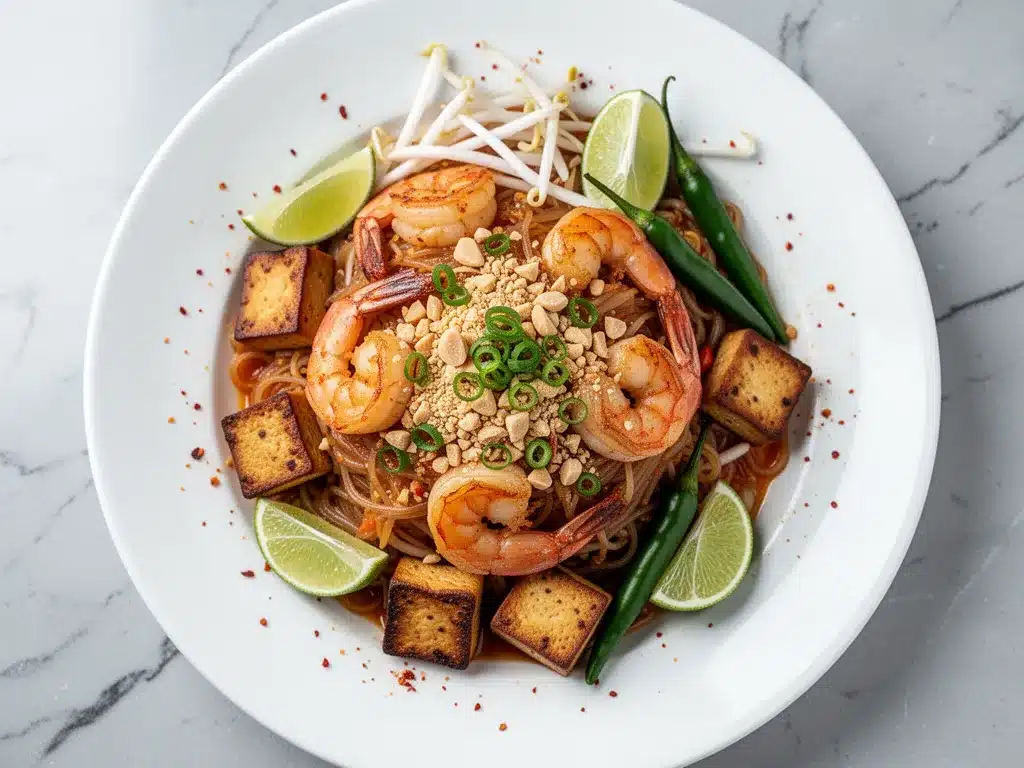
Rice noodles (8 ounces / 225g) — Look for flat rice noodles, about 1/4 inch wide. They’re often labeled as “Pad Thai noodles” or “medium flat rice noodles.” Do not use vermicelli (thin strands) or wide rice sheets (pho noodles). The texture will be wrong.
Shrimp (12-15 large, peeled and deveined) — Or use chicken breast, sliced thin. Tofu is great for a vegetarian version. I prefer shrimp for that sweet, briny flavor.
Eggs (2 large) — Scrambled into the wok. They add richness and help bind the sauce to the noodles.
Garlic (3 cloves, minced) — Fresh is mandatory. Jarred garlic just doesn’t have the same punch for a stir-fry.
Green onions (3-4 stalks, chopped) — Both the white and green parts. The whites go in early for flavor; the greens go on top for garnish.
Bean sprouts (2 cups) — Fresh, raw bean sprouts are crucial. They add crunch and freshness that balances the heavy noodles. Do not cook them in the wok; they go in at the end.
Dried red chili flakes (1 teaspoon) — Optional, but I like a little heat. Adjust to your spice tolerance.
Crushed peanuts (1/4 cup) — For garnish. Salted, roasted peanuts work best. You can use cashews if you prefer, but peanuts are traditional.
Lime wedges — To squeeze over the top right before eating. This final squeeze of acid is what makes it pop.
Vegetable oil (2 tablespoons) — For frying. I use a neutral oil with a high smoke point.
Pro Tip on Noodles
Don’t boil rice noodles like pasta! You just soak them in hot tap water for 20-30 minutes until they are pliable but still firm. They will finish cooking in the hot wok. If you boil them, they turn to mush instantly.
Equipment Needed
You don’t need a professional kitchen to make this. Here’s what I actually use:
Large Wok or 12-inch Skillet — I prefer a carbon steel wok because it’s light and gets hot fast. A large non-stick skillet works too. You need surface area to stir-fry, not steam.
Bowl for Soaking Noodles — Just a standard large mixing bowl.
Small Bowl for Sauce — To whisk your tamarind sauce together before it hits the pan. Mise en place is key here.
Chopsticks or Spatula — I use chopsticks for tossing noodles, but a sturdy spatula works fine.
Measuring Spoons — For the sauce ingredients.
How to Make It: Step-by-Step
Alright, let’s get cooking. This moves fast, so have everything prepped before you turn on the heat.
Step 1: Prep the Noodles
Place your rice noodles in a large bowl and cover them with hot tap water. Let them soak for 20-30 minutes. They should be flexible but still have a bit of bite. Once soaked, drain them thoroughly and toss with a tiny drop of oil to prevent sticking. Set aside.
Step 2: Make the Tamarind Sauce
In a small bowl, whisk together the tamarind paste, brown sugar, fish sauce, vinegar, and water. Taste it. It should be a balance of sour, sweet, and salty. If it’s too sour, add a bit more sugar. If it’s too sweet, add a splash more vinegar or fish sauce. This sauce is the soul of the dish.
Step 3: Cook the Protein
Heat 1 tablespoon of oil in your wok or skillet over medium-high heat. Add your shrimp (or chicken/tofu) and a pinch of salt. Cook for 2-3 minutes until just opaque. Remove from the pan and set aside on a plate. Don’t overcook them; they’ll go back in later.
Step 4: Scramble the Eggs
Add the remaining tablespoon of oil to the same pan. Crack the eggs directly into the hot oil. Let them set for 10 seconds, then scramble them quickly with your spatula. Push the cooked eggs to the side of the pan.
Step 5: Aromatics and Noodles
Add the minced garlic and the white parts of the green onions to the empty side of the pan. Stir for 30 seconds until fragrant. Then, add the drained noodles and the cooked protein back into the pan. Pour the tamarind sauce evenly over the noodles.
Step 6: The Toss
This is the most important step. Using tongs or two spatulas, toss everything together vigorously. The noodles will absorb the sauce and darken in color. Cook for 1-2 minutes, tossing constantly, until the noodles are tender and coated. If it looks dry, add a splash of water.
Step 7: Final Assembly
Turn off the heat. Add the fresh bean sprouts and the red chili flakes. Toss one last time. The residual heat will slightly wilt the sprouts but keep them crunchy.
Step 8: Serve
Plate immediately. Top with chopped peanuts, the green parts of the green onions, and a wedge of lime. Serve right away while hot.
Expert Tips & Tricks
Here’s everything I’ve learned from making this dozens of times. These tips will save you from my mistakes.
- Don’t Overcook the Noodles — Rice noodles cook incredibly fast. If you boil them, they’re done. Soaking is the key. They finish in the wok in under 2 minutes.
- High Heat is Your Friend — Stir-frying needs heat. If your pan isn’t hot enough, the noodles will stick and the sauce will boil instead of caramelize. Get that pan smoking slightly.
- Balance Your Sauce — Taste the sauce before you pour it. Every brand of tamarind and fish sauce varies. Adjust the sugar and salt to your palate.
- Fresh Bean Sprouts Only — Do not use cooked or jarred sprouts. They need to be fresh and raw to provide that essential crunch.
- Use a Wide Pan — If your pan is too small, the noodles will steam instead of fry. Give them space to move around.
Common Mistakes to Avoid
Mistake: Mushy Noodles
Fix: You soaked them too long or boiled them. Stick to the hot water soak method.
Mistake: Sauce Too Thick
Fix: Add a splash of water or more vinegar. The sauce should coat the noodles, not clump on them.
Mistake: Bland Flavor
Fix: You didn’t use enough fish sauce or lime. The dish needs bold flavors to stand out.
Variations & Substitutions
Once you’ve nailed the basic version, here’s how you can mix it up. I’ve tried all of these.
Vegetarian Pad Thai
Skip the shrimp and chicken. Use firm tofu, pressed and cubed. Fry the tofu first until crispy, then remove and add back at the end. Add extra veggies like sliced bell peppers, carrots, or mushrooms.
Chicken Pad Thai
Use boneless, skinless chicken thighs, sliced thin. They stay juicier than breasts. Cook them first, remove, and add back later.
Shrimp and Tofu Combo
Why choose? I often use both for a mix of textures and proteins.
Gluten-Free Option
This recipe is naturally gluten-free if you use certified gluten-free fish sauce and tamari instead of soy sauce (if needed). Most rice noodles are GF, but check the label.
Different Nuts
Crushed cashews or sesame seeds work if you’re allergic to peanuts. But peanuts are traditional for a reason!
Serving & Storage
How to Serve:
I serve this straight from the wok, topped with lime wedges and extra peanuts. It’s great as a main dish. Pair it with a simple crunchy Asian sesame cucumber salad for a complete meal. The cool, crisp cucumber balances the warm, spicy noodles perfectly.
Leftovers:
Store in an airtight container in the fridge for up to 3 days. The noodles will absorb more sauce and firm up, which is normal.
Reheating:
Microwave with a splash of water to rehydrate the noodles. Or reheat in a skillet with a little oil over medium heat. It won’t be quite as good as fresh, but it’s still tasty.
Freezing:
I don’t recommend freezing pad thai. The noodles get weird and mushy when thawed. Make it fresh!
Nutrition Information
I’m not a nutritionist, but here’s the breakdown if you’re tracking. This is per serving (based on 4 servings).
| Nutrient | Amount |
|---|---|
| Calories | 450 |
| Protein | 20g |
| Carbs | 55g |
| Fat | 15g |
| Fiber | 3g |
| Sugar | 12g |
It’s a balanced meal with carbs from the noodles, protein from the shrimp/eggs, and some fiber from the sprouts. It’s indulgent but not heavy. If you want to lighten it up, use less oil and more veggies.
Final Thoughts
So that’s my go-to restaurant-style pad thai! I’ve probably talked your ear off at this point, but when you make a recipe this often, you have a lot to say about it. This has saved weeknight dinners more times than I can count. It’s my answer to “what’s for dinner” when I want something exciting but manageable. My kids are happy, my husband’s happy, and I’m happy because I’m not stressed about cooking.
Make it yours! Try different add-ins, swap in your favorite vegetables, adjust the spice level. The best recipes are the ones you adapt to your family’s tastes. If you make this, drop a comment and let me know what you think! I love hearing how recipes turn out in your kitchen. And if something doesn’t work, tell me that too—I’m here to help troubleshoot.
Happy cooking! And I hope your kitchen smells half as good as mine does right now.
Frequently Asked Questions
Q: Can I use rice vinegar instead of white vinegar?
A: You can, but white vinegar gives that sharper, more authentic tang that street vendors use. Rice vinegar is milder and sweeter. If you use rice vinegar, you might want to add a tiny bit more lime juice to boost the acidity.
Q: Why are my noodles sticking together?
A: This usually happens if you don’t toss them with a little oil after draining, or if you soak them in cold water. Hot water is key, and a quick toss with oil prevents clumping. Also, make sure you’re using enough oil in the wok when stir-frying.
Q: Can I make the sauce ahead of time?
A: Yes! You can mix the tamarind, sugar, fish sauce, and vinegar up to 3 days in advance. Store it in the fridge. Just give it a good stir before using, as the sugar might settle.
Q: What can I use instead of fish sauce?
A: Soy sauce is the closest sub, but it lacks the funky umami depth. A mix of soy sauce and a little seaweed or mushroom broth can mimic it better. But honestly, fish sauce is worth it. It doesn’t taste fishy in the final dish.
Q: Can I add vegetables like broccoli or zucchini?
A: Absolutely! Just make sure to stir-fry them first before adding the noodles. Broccoli florets take a bit longer, so par-cook them or slice them very thin. Zucchini cooks fast, so add it with the noodles.
Q: How do I get the perfect “wok hei” flavor?
A: Wok hei is that smoky flavor from high heat. You need a very hot pan and not overcrowding it. Cook in batches if necessary. Don’t stir constantly; let the noodles sit for 10-15 seconds to get a slight char before tossing.
Pin This Recipe!
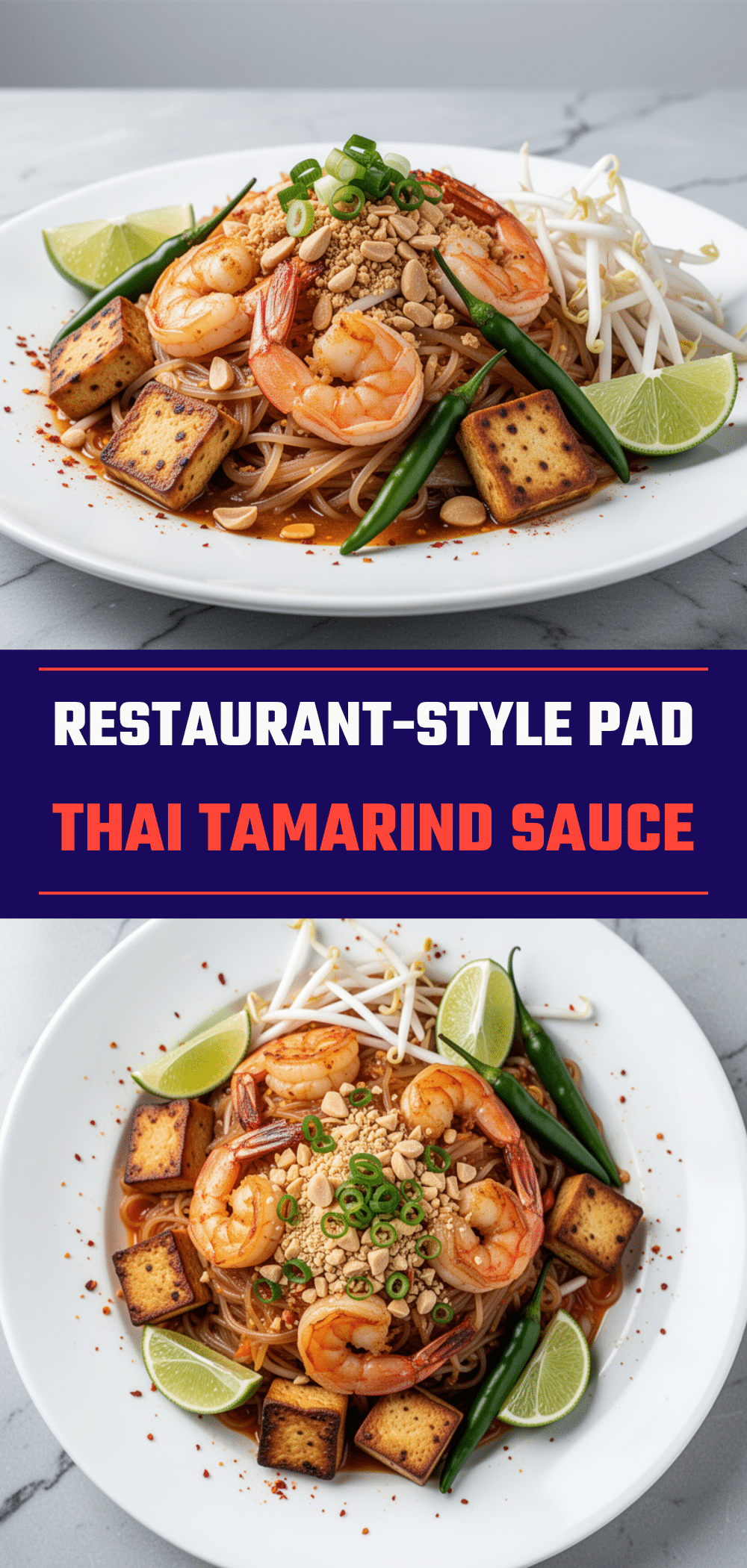
Perfect Pad Thai Recipe: Easy Restaurant-Style
- Total Time: 30 minutes
- Yield: 4 servings 1x
Description
An easy, restaurant-style Pad Thai recipe that balances sweet, sour, salty, and savory flavors using a tangy tamarind sauce. This weeknight-friendly dish comes together in about 20 minutes with simple techniques for perfect texture.
Ingredients
- 3 tablespoons tamarind paste
- 2–3 tablespoons light brown sugar
- 2–3 tablespoons fish sauce
- 1 tablespoon white vinegar
- 2–3 tablespoons water
- 8 ounces (225g) flat rice noodles (medium width)
- 12–15 large shrimp, peeled and deveined (or chicken/tofu)
- 2 large eggs
- 3 cloves garlic, minced
- 3–4 stalks green onions, chopped
- 2 cups fresh bean sprouts
- 1 teaspoon dried red chili flakes
- 1/4 cup crushed peanuts
- Lime wedges
- 2 tablespoons vegetable oil
Instructions
- Place rice noodles in a large bowl and cover with hot tap water. Soak for 20-30 minutes until pliable but firm. Drain thoroughly and toss with a tiny drop of oil to prevent sticking.
- In a small bowl, whisk together tamarind paste, brown sugar, fish sauce, vinegar, and water. Taste and adjust sweetness or saltiness as needed.
- Heat 1 tablespoon of oil in a large wok or skillet over medium-high heat. Add shrimp (or protein) and a pinch of salt. Cook for 2-3 minutes until opaque, then remove and set aside.
- Add the remaining tablespoon of oil to the pan. Crack eggs into the hot oil, let set for 10 seconds, then scramble quickly. Push eggs to the side.
- Add minced garlic and white parts of green onions to the empty side of the pan. Stir for 30 seconds until fragrant.
- Add drained noodles and cooked protein back into the pan. Pour the tamarind sauce evenly over the noodles.
- Toss everything vigorously for 1-2 minutes until noodles are tender, coated, and darkened. Add a splash of water if too dry.
- Turn off heat. Add fresh bean sprouts and chili flakes. Toss one last time to wilt sprouts slightly.
- Plate immediately. Top with crushed peanuts, green parts of green onions, and lime wedges. Serve hot.
Notes
Do not boil rice noodles; soak them in hot water instead to maintain texture. Ensure the pan is very hot for proper stir-frying. Fresh bean sprouts should be added at the end to retain crunch. The sauce should be balanced between sour, sweet, and salty before adding to the noodles.
- Prep Time: 20 minutes
- Cook Time: 10 minutes
- Category: Main Course
- Cuisine: Thai
Nutrition
- Serving Size: 1 plate
- Calories: 450
- Sugar: 12
- Sodium: 900
- Fat: 15
- Saturated Fat: 3
- Carbohydrates: 55
- Fiber: 3
- Protein: 20
Keywords: Pad Thai, Thai food, restaurant style, tamarind sauce, rice noodles, stir fry, weeknight dinner, easy Thai recipe


