
There is a specific kind of magic that happens when the first real chill of November hits the air. You know the feeling. You wake up, pull back the curtains, and see your breath fogging in the kitchen window. The house feels colder, the days feel shorter, and suddenly, everything in your pantry that isn’t root vegetables or squash feels deeply unappealing. That’s when I crave something warm, deeply comforting, and honestly, a little bit luxurious. That’s when I make this creamy roasted butternut squash soup.
I have to confess: I used to think making soup from scratch was too much work. I’d settle for the canned stuff, which usually tasted like salty cardboard with a hint of orange. Then, about three years ago, I roasted a butternut squash that got slightly charred on the edges. I blended it up with some roasted garlic, threw in a splash of cream, and suddenly, I was eating soup that tasted like it came from a high-end bistro in Paris. It was creamy, sweet, savory, and totally addictive. I’ve made this recipe dozens of times since, perfecting the roast, nailing the spice blend, and finally figuring out the crispy fried sage leaves that make it feel fancy.
This isn’t just “soup.” It’s a hug in a bowl. It’s the ultimate fall dinner when you want something that feels special but doesn’t require three hours of standing over the stove. The roasting process brings out the natural sugars in the squash, creating a depth of flavor that boiling just can’t touch. And those crispy sage leaves? They’re not just garnish. They add this incredible herbal crunch that contrasts with the silky smooth soup. I serve this to my friends, and they always ask if I’m a professional chef. (I’m not. I’m just a home cook who knows that roasting is the secret weapon.)
If you’re looking for a way to use up that massive squash from the farmer’s market, or if you just want a cozy weeknight dinner that smells amazing while it cooks, this is it. I’ve tested this recipe until it was perfect, tweaking the ratios of nutmeg to cinnamon and finding the exact oil temperature for sage that doesn’t burn or stay soggy. It’s easier than you think, and it tastes incredible. Let’s get roasting.
Why You’ll Love This Recipe
There are a lot of squash soups out there, but this one has earned a permanent spot in my weekly rotation for a few specific reasons. It’s not just about the taste (though that’s pretty great too).
- Roasting Changes Everything — Boiling squash makes it watery and bland. Roasting it at high heat caramelizes the natural sugars and concentrates the flavor. I’ve compared the two methods side-by-side, and the roasted version is infinitely richer and more complex. It tastes like autumn.
- Minimal Cleanup — You’re roasting the squash on a sheet pan and simmering the soup in one pot. That’s it. I hate washing a mountain of dishes after dinner, and this recipe keeps the cleanup to a minimum. Just a baking sheet, a blender, and a pot.
- Restaurant-Quality Finish — Most people stop at the soup. I add crispy fried sage leaves. It sounds fancy, but it’s just frying leaves in butter for 30 seconds. That little crunch elevates the whole dish and makes you feel like a culinary genius. It’s the kind of detail that makes guests ask for the recipe.
- Freezer-Friendly — This soup freezes beautifully. I often make a double batch on a Sunday afternoon. When I’m too tired to cook on a Wednesday night, I just thaw a container in the fridge and reheat it. It tastes just as good fresh as it does thawed.
- Vegan and Gluten-Free Friendly — By nature, this recipe is gluten-free. If you swap the heavy cream for coconut milk, it’s naturally vegan too. It’s one of those rare dishes that everyone at the table can eat, no matter their dietary restrictions. No one feels left out.
It’s the kind of dish that makes your house smell like a cozy cabin in the woods. It’s comforting, it’s healthy, and it’s surprisingly easy to pull together. Once you try it, you’ll probably start buying butternut squash in bulk.
Ingredients You’ll Need
One of the best things about this creamy roasted butternut squash soup is how few ingredients you actually need. You don’t need a pantry full of obscure spices or expensive imports. Here’s what I use, and why each one matters.
For the Roasted Squash Base
Butternut squash (1 large, about 3-4 pounds) — Look for one that feels heavy for its size and has a dull, matte finish rather than a shiny one. The stem should be dry. Peel it, remove the seeds, and cube it into 1-inch pieces. Consistent sizing ensures even roasting. I use a sharp chef’s knife and take my time here; rushing leads to uneven chunks.
Extra virgin olive oil (3 tablespoons) — You’ll toss the squash in this before roasting. Use a good quality oil here because you’ll taste it. I don’t use the cheapest stuff, but I don’t need my fancy “last drop” oil either. Just a solid, fruity olive oil works perfectly.
Garlic (4-5 cloves, unpeeled) — This is a pro tip. Roast the garlic cloves in their skins right on the sheet pan with the squash. It gets soft, sweet, and jammy. Once roasted, you just squeeze the cloves out of their skins. No chopping required, and it adds a mellow, sweet garlic flavor that raw garlic can’t match.
Salt and black pepper — Generous amounts. You want the squash to be well-seasoned before it even hits the pot. Use kosher salt if you have it.
For the Soup

Yellow onion (1 medium, diced) — I use yellow onions for their sweetness and depth. White onions work too but are sharper. Red onions will turn the soup a weird purple color, so avoid those.
Vegetable or chicken broth (4 cups) — I prefer vegetable broth to keep it vegan-friendly, but chicken broth adds a nice savory richness if you eat meat. Use low-sodium broth so you can control the salt level yourself. Store-bought is fine, but if you have homemade stock, that’s even better.
Heavy cream (½ cup) — This is what makes it creamy. Full-fat cream is best for that luxurious mouthfeel. If you want it lighter, you can use half-and-half, but it won’t be as rich. For a dairy-free version, use full-fat canned coconut milk.
Butter (2 tablespoons) — Used for sautéing the onions and frying the sage. Salted butter is fine, just taste before adding extra salt.
Fresh sage leaves (12-15 leaves) — You’ll fry these at the end. Look for bunches of fresh sage in the produce section. They should be bright green and fragrant. If you can’t find fresh, dried sage won’t work for frying—it’ll just burn. You need the fresh leaves.
For the Spice Blend
Nutmeg (½ teaspoon, freshly grated if possible) — Nutmeg is the secret partner to squash. It adds that warm, spicy note that screams “fall.” Pre-ground nutmeg loses its potency quickly, so if you have a whole nutmeg and a grater, use it. If not, fresh nutmeg from the jar is fine.
Cinnamon (¼ teaspoon) — Just a little bit. Too much cinnamon makes it taste like dessert. We want savory-sweet, not pumpkin pie.
Red pepper flakes (¼ teaspoon, optional) — This is my secret weapon. A pinch of heat cuts through the sweetness of the squash and balances the richness of the cream. It’s subtle but adds complexity.
For Serving
Crushed pumpkin seeds or pepitas — Adds a nice crunch and looks pretty. Extra sage leaves for garnish. Crusty bread or savory cheddar biscuits for dipping. I love tearing off pieces of warm bread and swishing them in the soup.
Equipment Needed
You don’t need anything fancy to make this soup. Here’s what I actually use in my kitchen.
Large rimmed baking sheet — I use a half-sheet pan. Make sure it has a rim so the oil doesn’t drip onto the oven floor. A non-stick sheet makes cleanup easier, but any metal sheet pan works.
Large pot or Dutch oven — Something with a thick bottom is best for simmering the soup so it doesn’t burn. I use a 6-quart Dutch oven. It holds all the ingredients comfortably.
Immersion blender or standard blender — An immersion blender is ideal because you can blend the soup right in the pot. Less cleanup. If you use a standard blender, be careful—hot soup expands and can explode out of the blender if you’re not careful. Blend in batches and vent the lid.
Small skillet — Just a small 8-inch pan for frying the sage leaves. You don’t need anything big for this step.
Vegetable peeler — For peeling the squash. A sharp peeler makes this task much faster and safer.
Wooden spoon — For stirring the onions and sautéing. Silicone works too.
How to Make It: Step-by-Step
Alright, let’s get into the nitty-gritty. This process is straightforward, but there are a few tricks to make sure your soup is perfectly smooth and flavorful.
Step 1: Roast the Squash (45-50 minutes)
Preheat your oven to 400°F (200°C). Line your baking sheet with parchment paper for easy cleanup. Peel the butternut squash, scoop out the seeds (save them if you want to roast them later as a snack—they’re delicious!), and chop the flesh into 1-inch cubes. Toss the cubes with olive oil, salt, and pepper on the baking sheet. Spread them out in a single layer. Don’t crowd the pan, or the squash will steam instead of roast. Roast for 30-35 minutes, flipping halfway through, until the squash is tender and has some browned edges. While the squash roasts, place the unpeeled garlic cloves on the same pan (or a small foil boat) to roast alongside. They’ll be done in about 20 minutes. Once done, let everything cool slightly.
Step 2: Sauté the Aromatics (5 minutes)
While the squash is roasting, heat the butter in your large pot over medium heat. Add the diced onion and a pinch of salt. Cook for 5-6 minutes, stirring occasionally, until the onions are soft and translucent. Don’t rush this step—browning the onions adds flavor, but you don’t want them burnt. Add the garlic powder, nutmeg, cinnamon, and red pepper flakes. Stir for 30 seconds until fragrant.
Step 3: Combine and Simmer (20 minutes)
Add the roasted squash and garlic (squeeze the garlic out of its skins) to the pot with the onions. Pour in the vegetable or chicken broth. Bring the mixture to a boil, then reduce the heat to low, cover, and simmer for 15 minutes. This helps the flavors meld together. The squash should be very soft and falling apart.
Step 4: Blend Until Smooth (2-3 minutes)
Remove the pot from the heat. Use an immersion blender to puree the soup directly in the pot until completely smooth. If you’re using a standard blender, transfer the soup in batches, blend until smooth, and return to the pot. Be careful with the hot steam. If the soup is too thick, add a little more broth. If it’s too thin, simmer it uncovered for a few more minutes.
Step 5: Add Cream and Season (2 minutes)
Stir in the heavy cream. Taste the soup. This is the most important step. Add more salt and pepper if needed. Do you want it sweeter? Add a tiny pinch of sugar. Do you want more spice? Add a pinch more red pepper flakes. Adjust to your liking.
Step 6: Fry the Sage Leaves (2 minutes)
In a small skillet, heat 1 tablespoon of butter over medium heat. Once the butter is foaming, add the sage leaves. Fry them for about 30-60 seconds per side, until they are crisp and bright green. Watch them closely—they go from perfect to burnt very quickly. Remove them to a paper towel to drain excess butter.
Step 7: Serve
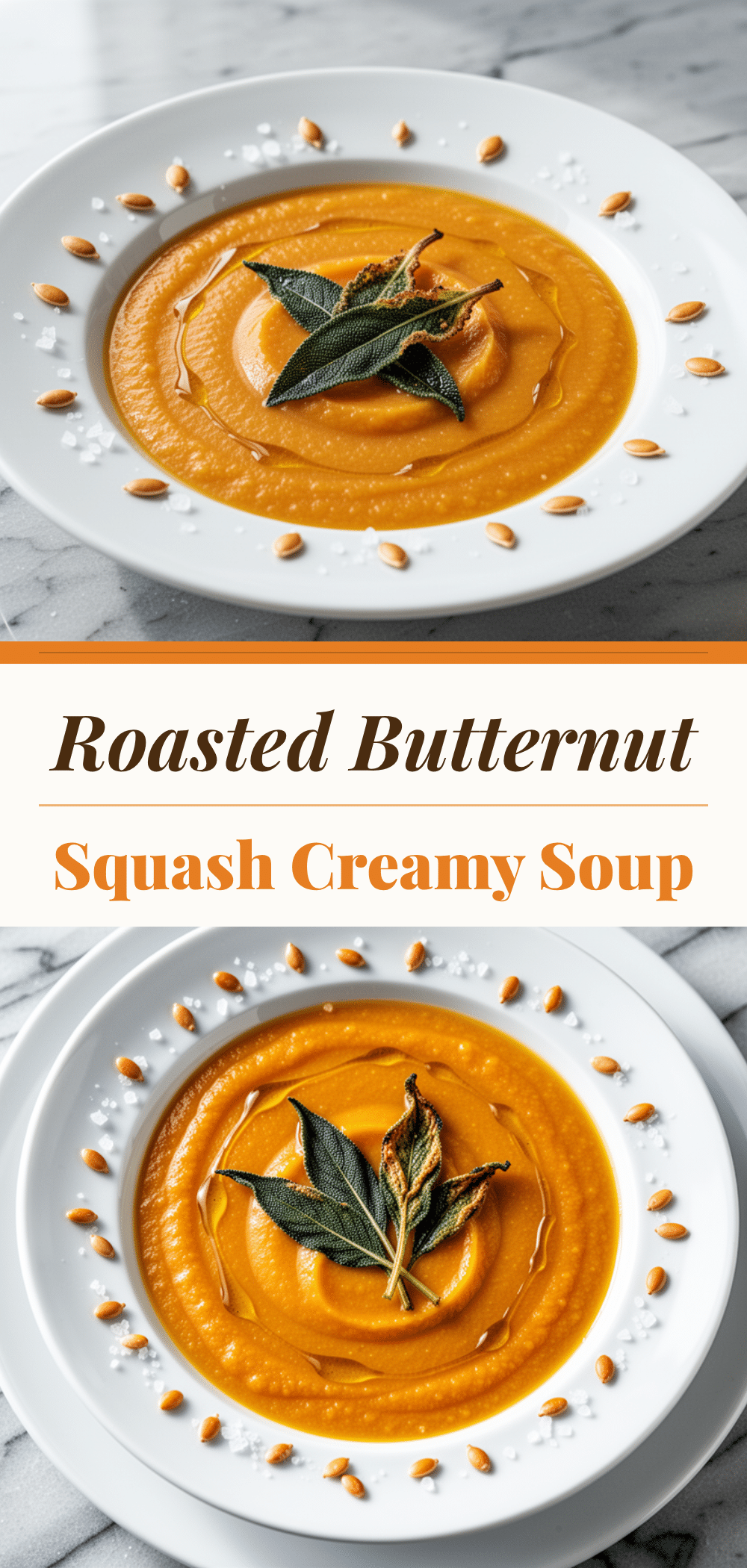
Ladle the hot soup into bowls. Top with the crispy sage leaves, a drizzle of olive oil, and a sprinkle of pumpkin seeds if you’re feeling fancy. Serve immediately with crusty bread.
Expert Tips & Tricks
After making this soup many times, I’ve learned a few things that can save you from common pitfalls.
Don’t Skip the Roasting — I know you could just boil the squash, but roasting is non-negotiable for flavor. The Maillard reaction (browning) creates those complex, nutty flavors that make you crave more. If you’re short on time, you can roast the squash the night before. Store it in the fridge and just reheat it the next day.
Garlic in the Skin — Roasting garlic in its skin protects it from burning and makes it sweet and spreadable. It’s so much easier than mincing raw garlic, and the flavor is mellower. Just squeeze it out once it’s cool enough to handle.
Texture Preference — Some people like their soup completely smooth like a velvety custard. Others like a little chunkiness. I blend mine until smooth but leave a few small pieces of squash if I’m in a hurry. If you want it ultra-smooth, strain it through a fine-mesh sieve after blending. It takes extra effort, but it’s restaurant-quality.
Frying Sage Correctly — The key to crispy sage is dry leaves. Make sure your sage leaves are completely dry before putting them in the hot butter. Wet leaves will splatter and steam instead of fry. Also, don’t overcrowd the pan. Fry them in batches if you have a lot of leaves.
Spice Balance — Squash is naturally sweet. The salt and pepper are crucial to balance that sweetness. Don’t be shy with the salt. If the soup tastes “flat,” it probably needs more salt, not more sugar.
Variations & Substitutions
Once you’ve mastered the base recipe, here are some fun ways to mix it up.
Coconut Curry Version — Swap the heavy cream for full-fat coconut milk. Add 1 tablespoon of curry powder and 1 teaspoon of turmeric when sautéing the onions. It’s a completely different vibe—richer and more exotic. I actually have a separate vegan butternut squash coconut curry soup recipe that’s similar, but this version is simpler.
Apple & Cider Twist — Add 1 chopped apple to the pot when you add the broth. Apples pair beautifully with squash and nutmeg. For a deeper fall flavor, use apple cider instead of half the broth. It adds a lovely tartness.
Spicy Sausage — If you want a heartier meal, brown some Italian sausage in the pot before sautéing the onions. Crumble it up and add it back in. This turns the soup into a main course. It’s similar in heartiness to my loaded baked potato soup, but with a completely different flavor profile.
Dairy-Free — Simply omit the heavy cream and use coconut milk or oat milk. The soup will be slightly less rich but still delicious. The roasted squash provides enough creaminess on its own.
Gluten-Free — This recipe is naturally gluten-free. Just ensure your broth is certified gluten-free if you’re sensitive. Serve with gluten-free bread or crackers.
Serving & Storage
How to Serve: I like to serve this soup in wide-rimmed bowls so you can see the creamy texture. The crispy sage on top is a beautiful garnish, so place it carefully. A drizzle of good olive oil right before serving adds a nice finish. Pair it with a simple green salad or, my personal favorite, warm crusty bread for dipping.
Storage: Let the soup cool completely before storing. Transfer it to an airtight container and refrigerate for up to 4 days. The flavors actually get better after a day or two as they meld together.
Freezing: This soup freezes very well. Portion it into freezer-safe containers or heavy-duty freezer bags. It will keep for up to 3 months. Thaw it in the fridge overnight and reheat gently on the stove. Note: If you added cream, the texture might separate slightly when frozen. Whisk it well while reheating to bring it back together.
Reheating: Reheat on the stove over low-medium heat, stirring frequently. If the soup has thickened in the fridge, add a splash of broth or milk to thin it out. Don’t microwave it in a sealed container—steam will build up and make a mess. If you must microwave, do it in short bursts and stir in between.
Nutrition Information
I’m not a nutritionist, but here’s the general breakdown per serving (based on 6 servings). This is an estimate, so actual values may vary based on specific ingredients used.
- Calories: ~220
- Total Fat: 12g
- Saturated Fat: 6g
- Cholesterol: 25mg
- Sodium: 450mg
- Total Carbohydrates: 28g
- Dietary Fiber: 6g
- Sugars: 8g
- Protein: 4g
It’s a relatively low-calorie meal that’s packed with fiber and vitamins from the squash. The cream adds some fat, but it’s a reasonable amount. If you’re watching calories, you can reduce the cream or use half-and-half. It’s a nutritious way to get your daily dose of vitamin A and beta-carotene.
Final Thoughts
This creamy roasted butternut squash soup with crispy fried sage has become my go-to comfort food when the weather turns cold. It’s simple, elegant, and incredibly satisfying. I love that it uses one pot and one pan, making cleanup a breeze. And that crispy sage? It’s the touch that makes it feel special. I hope you try it and love it as much as I do.
If you make this, I’d love to hear how it turns out. Let me know if you added any extra spices or toppings. Happy cooking!
Frequently Asked Questions
Can I use frozen butternut squash?
You can, but fresh squash tastes better. Frozen squash tends to be softer and can release more water into the soup, making it thinner. If you must use frozen, thaw it first and drain any excess liquid. Roasting fresh squash concentrates the flavor, which is hard to replicate with frozen.
Why is my soup too thin?
Butternut squash can vary in water content. If your soup is too thin, simmer it uncovered for 10-15 minutes to reduce it. Alternatively, you can add a small amount of potato or extra cream to thicken it. A slurry of cornstarch and water also works in a pinch.
Can I make this in a slow cooker?
Yes! Roast the squash and garlic as directed, then add everything to the slow cooker. Sauté the onions in a pan first, then add to the slow cooker. Cook on low for 6-8 hours or high for 3-4 hours. Blend and add cream at the end. It’s a great hands-off option.
What if I can’t find fresh sage?
Fried sage is a garnish, so you can skip it if you don’t have it. However, you can add 1 teaspoon of dried sage to the soup while it simmers for flavor. Just know you’ll miss that crunchy texture, which is really the highlight.
How do I peel a butternut squash?
It can be tough! Cut off the top and bottom so it sits flat. Then, use a sharp vegetable peeler to remove the skin in downward strokes. If the squash is too hard to peel raw, you can roast it whole for 30 minutes first, let it cool, and then cut and peel it. The skin will slip off easily.
Pin This Recipe!

Creamy Roasted Butternut Squash Soup: Easy Fall Dinner
- Total Time: 1 hour 25 minutes
- Yield: 6 servings 1x
Description
A comforting, restaurant-quality butternut squash soup made by roasting the squash to concentrate flavor, blended with aromatic spices and finished with crispy fried sage leaves.
Ingredients
- 1 large butternut squash (about 3–4 pounds), peeled, seeded, and cubed into 1-inch pieces
- 3 tablespoons extra virgin olive oil
- 4–5 cloves garlic, unpeeled
- Salt and black pepper, to taste
- 1 medium yellow onion, diced
- 2 tablespoons butter, divided
- 4 cups vegetable or chicken broth
- ½ cup heavy cream
- 12–15 fresh sage leaves
- ½ teaspoon nutmeg
- ¼ teaspoon cinnamon
- ¼ teaspoon red pepper flakes (optional)
- Crushed pumpkin seeds or pepitas for garnish
Instructions
- Preheat oven to 400°F (200°C). Line a large rimmed baking sheet with parchment paper.
- Toss the cubed butternut squash with olive oil, salt, and pepper. Spread in a single layer on the baking sheet.
- Place unpeeled garlic cloves on the same sheet pan. Roast for 30-35 minutes, flipping squash halfway, until tender and browned. Remove garlic after 20 minutes if desired, or leave until done.
- While squash roasts, melt 1 tablespoon butter in a large pot over medium heat. Add diced onion and a pinch of salt; cook for 5-6 minutes until soft and translucent.
- Add nutmeg, cinnamon, and red pepper flakes to the onions; stir for 30 seconds until fragrant.
- Squeeze the roasted garlic out of its skins and add it to the pot along with the roasted squash.
- Pour in the broth. Bring to a boil, then reduce heat to low, cover, and simmer for 15 minutes.
- Remove from heat and blend the soup until smooth using an immersion blender or standard blender.
- Stir in the heavy cream and remaining 1 tablespoon butter. Taste and adjust seasoning with salt and pepper.
- In a small skillet, heat the remaining butter over medium heat. Fry sage leaves for 30-60 seconds per side until crisp. Remove to a paper towel.
- Ladle soup into bowls and top with crispy sage leaves, a drizzle of olive oil, and pumpkin seeds.
Notes
Roasting the squash is essential for flavor depth. Garlic can be roasted in its skin for easier peeling and mellower flavor. For a vegan version, substitute heavy cream with full-fat coconut milk. The soup freezes well for up to 3 months.
- Prep Time: 15 minutes
- Cook Time: 1 hour 10 minutes
- Category: Main Course
- Cuisine: American
Nutrition
- Serving Size: 1 bowl
- Calories: 220
- Sugar: 8
- Sodium: 450
- Fat: 12
- Saturated Fat: 6
- Carbohydrates: 28
- Fiber: 6
- Protein: 4
Keywords: butternut squash soup, fall recipes, roasted vegetable soup, creamy soup, gluten-free, vegan option, easy dinner, comfort food


